
REVIEW · NAPLES
Naples: Pasta Cooking Class with Tiramisù and a Drink
Naples is famous for eating well, but this class lets you get your hands into the flour before sitting down to eat. In about two hours at Restaurant San Carlo 17, a chef guides you through three pasta shapes and tiramisù, then cooks the results with three southern Italian sauces.
I like the central location, across from the San Carlo Theatre and close to Piazza Plebiscito, and I like the small-group feel reported by many participants. Guides such as Alessia, Emanuela, and Manuela are praised for clear instruction and good humor. The main consideration is that the pasta you make is combined for the final meal, so this is a lively introduction rather than a private, precision-focused cooking lesson.
Key points to know before booking
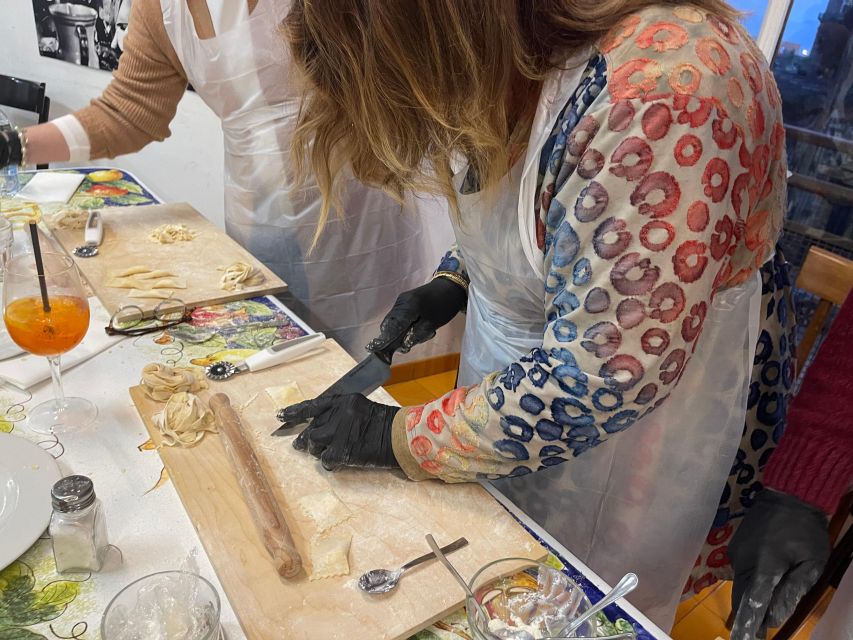
- Three pasta styles in one class: Prepare tagliatelle, ricotta-filled ravioli, and rough-edged maltagliati rather than focusing on just one dish.
- A full meal follows the lesson: Your pasta is cooked with Nerano, Sorrentina, and potato-and-provola sauces, with bruschetta, tiramisù, a drink, and espresso.
- An easy Naples location: Meet at Via San Carlo 17, opposite the San Carlo Theatre, about five minutes from Municipio metro station.
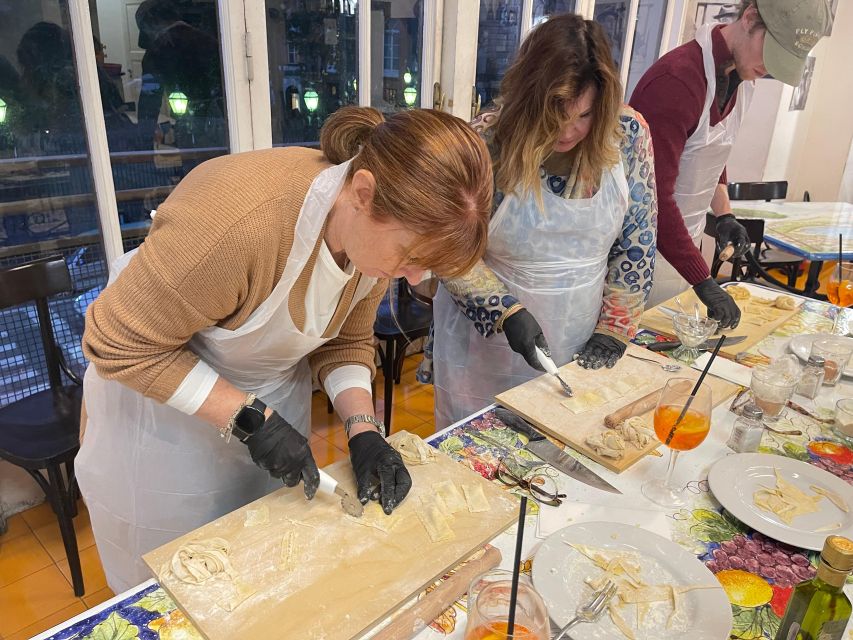
- Small groups can make a difference: Several classes had only two to six people, giving the instructor time to help with rolling, shaping, and filling.
- English instruction: The class is conducted in English, with fresh ingredients and equipment supplied.
- Know the limits: It is not suitable for wheelchair users, people with mobility impairments, or anyone with gluten intolerance.
Making pasta opposite the San Carlo Theatre
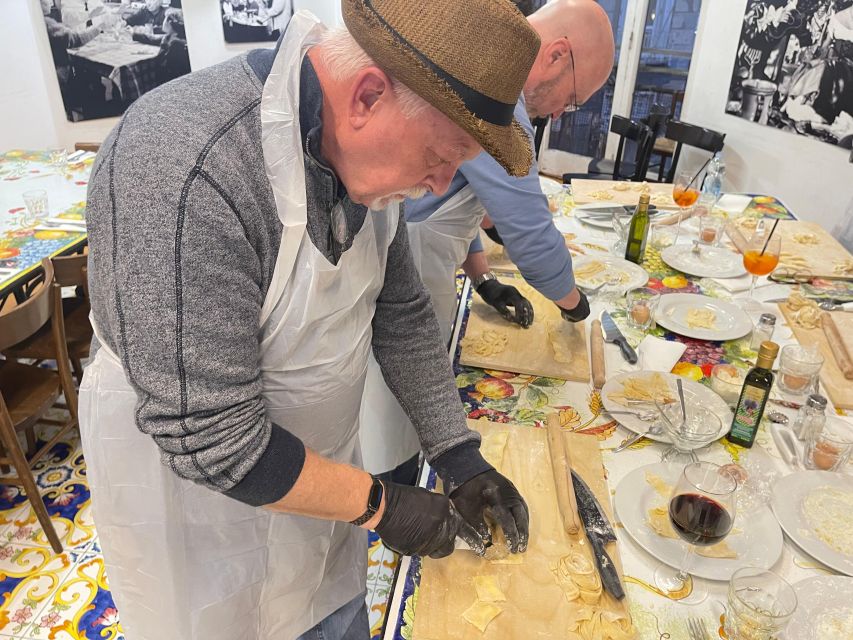
The setting does much of the work here. Restaurant San Carlo 17 sits on Via San Carlo, opposite the grand Teatro di San Carlo and within an easy walk of the Royal Palace, Piazza Plebiscito, and Galleria Umberto I. If you are spending the afternoon around Naples’ main ceremonial squares, you can reach the class without arranging a separate trip across town.
The restaurant provides the work area, equipment, ingredients, chef, and final cooking. You do not need to arrive with a rolling pin, flour, or a plan for how to turn dough into dinner. Arrive at least five minutes early, since the class begins inside the restaurant rather than at a street-side meeting point.
The class lasts about two hours. That is long enough to make several preparations and eat a proper meal, but short enough to fit between sightseeing plans. It is especially handy on a day when you are visiting the port, the historic center, or the attractions around Piazza Plebiscito.
Some people have had an especially intimate class, with only one or two pasta participants while another group worked on pizza elsewhere in the restaurant. Other sessions have included families and groups of up to eight. Your exact group size can vary, but the experience is not presented as a large lecture.
More Tiramisu Classes in Naples
- Naples: Neapolitan Pizza and Tiramisù Making Class
★ 4.8 · 839 reviews - Naples: Neapolitan Pizza and Tiramisu Cooking Class
★ 4.9 · 258 reviews - Napolitan Secrets: Pasta & Tiramisù Class for Food Lovers
★ 4.9 · 189 reviews
First, prepare the tiramisù
The tiramisù is made early so it can rest while you work on the pasta. This is a sensible bit of kitchen planning, and it gives you a sweet reward waiting at the end rather than a dessert rushed onto the table.
You prepare the dessert with coffee and cream, following the chef’s instructions and using fresh ingredients supplied at the restaurant. The process is simple enough for a first-time cook, yet different enough from many versions made outside Italy to feel worthwhile. One participant specifically appreciated the straightforward Italian method compared with American-style recipes.
I like this part because it gives the class two kinds of cooking. Pasta teaches you about dough, pressure, thickness, and shape. Tiramisù is more about arranging ingredients and getting the balance of coffee and cream right. If you are attending with children or teenagers, the dessert provides a less demanding task while the pasta dough rests.
The final tiramisù is included in the meal. You do not simply watch the chef make it, and you do not pay extra for the dessert. Recipes have also been provided to some participants, which is useful if you want to repeat the class at home.
Rolling dough and shaping three pastas
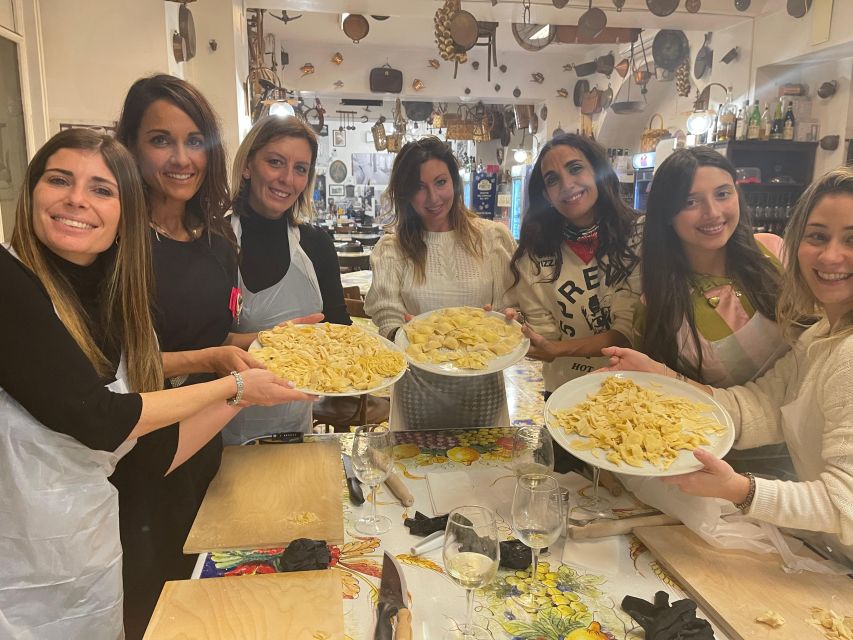
The central lesson is the pasta work. Under the chef’s direction, you knead the dough, roll it out, cut it, and form different styles. Several people appreciated using a hand roller rather than having the dough processed entirely by machine. That gives you a clearer sense of how pasta was traditionally made and lets you feel when the dough is ready.
The three preparations are:
- Tagliatelle: Long ribbons that are cut from the rolled dough and served with Nerano sauce.
- Ravioli alla Sorrentina: Filled with fresh ricotta, then paired with Sorrentina sauce.
- Maltagliati: Irregular pieces of pasta served with potatoes and provola.
The shapes are a good choice for a short lesson. Tagliatelle teaches clean cutting. Ravioli introduces filling, folding, and sealing. Maltagliati is forgiving because its uneven edges are part of the style. You get to see that homemade pasta does not need to look factory-perfect to taste good.
The ravioli is the most delicate stage. You need enough filling to make the parcel satisfying, but not so much that it bursts while cooking. The instructor can step in when you need help, and the small groups reported in many sessions make that assistance more likely.
This is hands-on, but it is not a private cooking apprenticeship. The chef directs the process and the group works together. If you want to produce every portion from start to finish entirely by yourself, ask about the exact format before booking. The final pasta is combined for the shared meal, which one family found less ideal when some younger children had done less rolling than others.
Still, the range of techniques gives you more to take home than a class focused only on one noodle. You leave with a practical introduction to dough, cutting, filling, and sauce pairing.
Three sauces turn the lesson into lunch or dinner
Once you finish preparing the pasta, the chef cooks it in the restaurant kitchen. This is an important detail. You do the creative work, but a professional kitchen handles the boiling and saucing, so the final meal is not held back by a crowded classroom or uncertain timing.
Each pasta is paired with a different sauce. The tagliatelle gets Nerano sauce, a Campanian preparation associated with zucchini and cheese. The ravioli is served alla Sorrentina, while the maltagliati comes with potatoes and provola. Together, the three plates show how the same basic dough can take on very different character.
This also makes the meal generous. You are not making one small sample and leaving for another restaurant. The pasta you prepare is cooked and served to you, along with bruschetta at the start. Many people found there was more pasta than they could finish, so arrive hungry.
The meal is served inside the restaurant after the practical work. Some classes have been seated near windows with views toward the waterfront and a castle to the side. The exact table and view may vary, but the restaurant setting gives the experience a proper finish rather than making you eat at a workbench.
You also receive one drink, alcoholic or non-alcoholic, and a bottle of water. Wine is available within the included drink, while extra drinks cost more. Coffee at the end is included, and the espresso provides the familiar Italian full stop after dessert.
Same kitchen, a different thing to make:
- Naples: Pizza-Making Workshop with Drink and Appetizer
★ 4.9 · 5,411 reviews - Authentic Pizza Making Class in Naples with Appetizers and Drink
★ 5.0 · 3,178 reviews - Naples: Pasta Making Class with Starter and Drink
★ 4.9 · 1,060 reviews - Naples Pasta Class: Fettuccine & Ravioli with Grandma’s Recipe
★ 5.0 · 506 reviews
The instructors make the difference
The recipes matter, but the teacher shapes the mood. Alessia, Emanuela, and Manuela are among the instructors associated with especially warm and effective classes. Their approach has been described as patient, funny, encouraging, and clear.
That combination is useful for beginners. Pasta dough can look simple until it sticks, tears, or refuses to stretch. A good instructor shows you how much pressure to use and when to stop correcting every small flaw. The lesson is meant to be enjoyable, not a test of your kitchen credentials.
You will also hear practical explanations about ingredients and regional habits. One class included a discussion of how pasta methods differ between northern Italy, Sicily, and Naples, including the use of eggs in the local dough. That sort of detail gives the recipes a sense of place.
If you are a solo visitor, the class can work well because the task naturally creates conversation. Couples, families, and friends also have enough shared work to keep everyone involved. A parent with teenagers can expect a more active experience than a standard restaurant meal, while a seasoned home cook can still pick up tips on shaping and ingredient use.
The teaching is in English. Do not expect a long culinary lecture. The lesson is built around doing, with the chef showing a technique and then letting you try it.
What the $71 price buys you
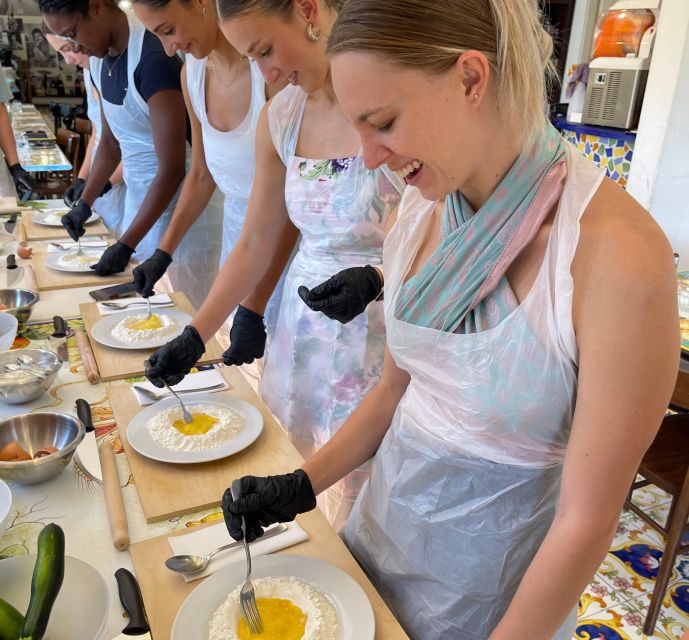
At $71 per person, this is not the cheapest way to eat pasta in Naples. It is a fair price if you want food plus a practical activity in a central restaurant.
Your fee covers the chef, lesson, equipment, fresh ingredients, three pasta preparations, three sauces, bruschetta, tiramisù, water, one drink, and espresso. If you priced the meal and dessert separately, then added an English-language cooking session in a convenient location, the package becomes easier to justify.
The value is strongest when you treat the class as both lunch or dinner and entertainment. You are not paying for a single recipe demonstration. You are making several styles, eating the results, and learning enough to repeat at least parts of the meal at home.
The value is weaker if you already have extensive pasta-making experience and want advanced technique. The class is designed for beginners and mixed ability levels. Its strength is confidence-building, not chef certification.
Free cancellation is available up to 24 hours before the start, and you can reserve now and pay later. Those terms help if your Naples schedule depends on weather, ferries, or changing sightseeing plans.
Who will enjoy this Naples cooking class
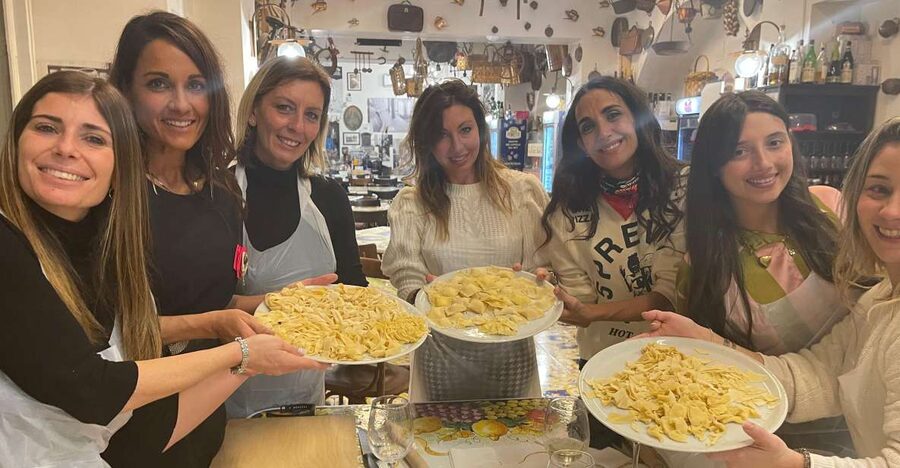
I would choose this for first-time pasta makers, food-focused visitors, couples, families with older children, and solo visitors who want a social activity with a meal attached. The two-hour length makes it easy to fit into a packed Naples visit.
It also suits people who want a local food experience without leaving the city center. You can combine it with the San Carlo Theatre, Galleria Umberto I, the Royal Palace, or Piazza Plebiscito before or after class.
It is not suitable for people with gluten intolerance. The activity is also not recommended for wheelchair users or people with mobility impairments. Children under two are excluded, and the booking information also lists children under three as not suitable, so families should confirm the age rule before reserving.
The class does not allow bikes, bare feet, alcohol, or drugs. The bike restriction matters if you are moving around Naples on two wheels, since you will need to leave it elsewhere.
Practical timing and planning advice
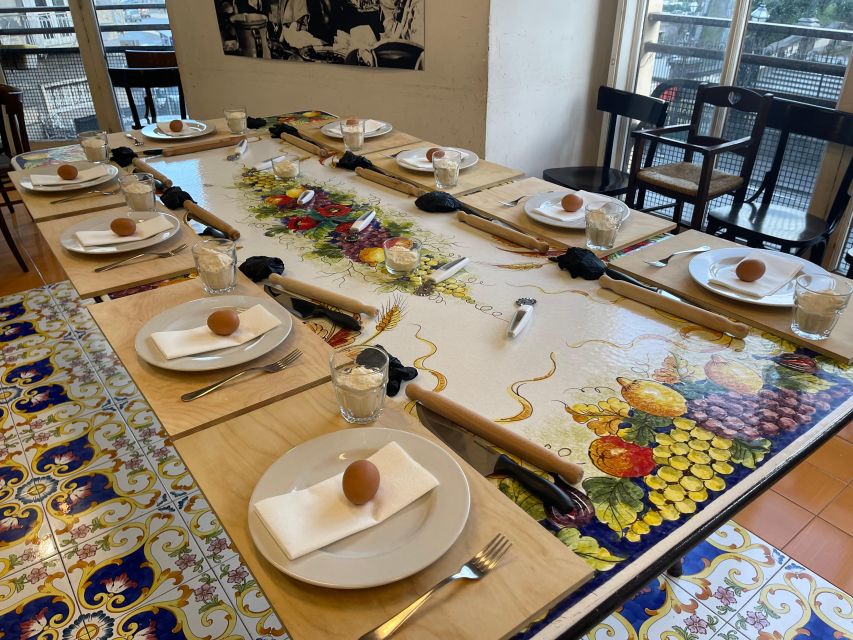
Book a start time that leaves you free for at least two hours, with a little extra time if you want to linger over the meal. The stated activity duration is two hours, although eating pace and group rhythm can affect the exact finish.
Wear ordinary comfortable clothing and closed footwear. Bare feet are not allowed, and cooking with flour, dough, and sauces is easier when you are dressed for participation rather than a formal evening out.
Plan your route using the landmarks rather than relying only on a street number. The restaurant is opposite the San Carlo Theatre, about five minutes from Municipio metro station, seven minutes on foot from the Naples Tourist Port, and two minutes from the taxi rank.
If you have dietary restrictions, ask before booking. Gluten intolerance is specifically excluded, and the stated menu includes wheat-based pasta and filled ravioli. Extra drinks are not part of the price, so budget for them if you want more than the included beverage.
Should you book it?
Book this class if you want to do more than photograph Naples’ food. The best parts are the hands-on range of pasta shapes, the friendly English-speaking instruction, the central restaurant setting, and the fact that you eat a substantial meal made from your own preparation.
I would be less keen if you want a highly technical lesson, a guaranteed private class, or complete control over every portion served. The final meal is prepared by the restaurant kitchen and shared as a group result.
For most visitors, the $71 price is reasonable because it covers a two-hour activity, a full spread of pasta and dessert, a drink, coffee, and a location that is easy to reach. Come hungry, arrive five minutes early, and expect flour on your hands before you get a plate of Naples on the table.
FAQ
Where does the pasta cooking class take place?
The class takes place inside Restaurant San Carlo 17 at Via San Carlo 17 in Naples, opposite the San Carlo Theatre.
How long does the activity last?
The cooking experience lasts about two hours.
Is the class taught in English?
Yes. The instructor teaches the class in English.
What kinds of pasta will I make?
You will prepare tagliatelle, ricotta-filled ravioli, and maltagliati.
Which sauces are served with the pasta?
The tagliatelle is served with Nerano sauce, the ravioli with Sorrentina sauce, and the maltagliati with potatoes and provola.
Is tiramisù included?
Yes. You prepare tiramisù during the class and eat it afterward.
What food and drinks are included?
The price includes bruschetta, the pasta you prepare, tiramisù, one bottle of water, one alcoholic or non-alcoholic drink, and espresso coffee.
Can I cancel for a full refund?
Yes. You can cancel up to 24 hours before the activity for a full refund.
Is the class suitable for people with gluten intolerance or mobility impairments?
No. The activity is not suitable for people with gluten intolerance, wheelchair users, or people with mobility impairments.
Just added around Naples
- Naples Hands-on Cooking Class: Gnocchi, Ravioli, Tiramisu & Wine★ 4.5 · 18 reviews
- Private Pasta & Tiramisu Class at a Cesarina’s home with tasting in Ercolano★ 5.0 · 2 reviews
- Pizza Making Experience★ 4.0 · 4 reviews
- Pasta Fresca Gnocchi and Ravioli a Napoli★ 5.0 · 2 reviews
- Pasta and Tiramisu Cooking Class with Local Chef in Naples★ 5.0 · 58 reviews
- Naples Pizza and Tiramisu Homemade Edition★ 5.0 · 9 reviews
- Private Fettuccine Alfredo and Ravioli Class Grandma recipe★ 4.0 · 2 reviews
- 2-Hour Authentic Italian Pizza Making Class in Naples★ 4.5 · 14 reviews
Naples Pasta Classes, compared.
Pizza-Making Workshop with Drink and Appetizer
Read our review →
Authentic Pizza Making Class in Naples with Appetizers and Drink
Read our review →
Naples Pasta Class: Fettuccine & Ravioli with Grandma’s Recipe
Read our review →
Premium Pizza Class From Dough to Dessert & Wine
Read our review →
Semi-Private Pizza Making Experience in Naples with Drink
Read our review →
Browse the lists this tour appears in