
REVIEW · MONTEPULCIANO
Montepulciano: Pasta and Tiramisu Class at a Local’s Home
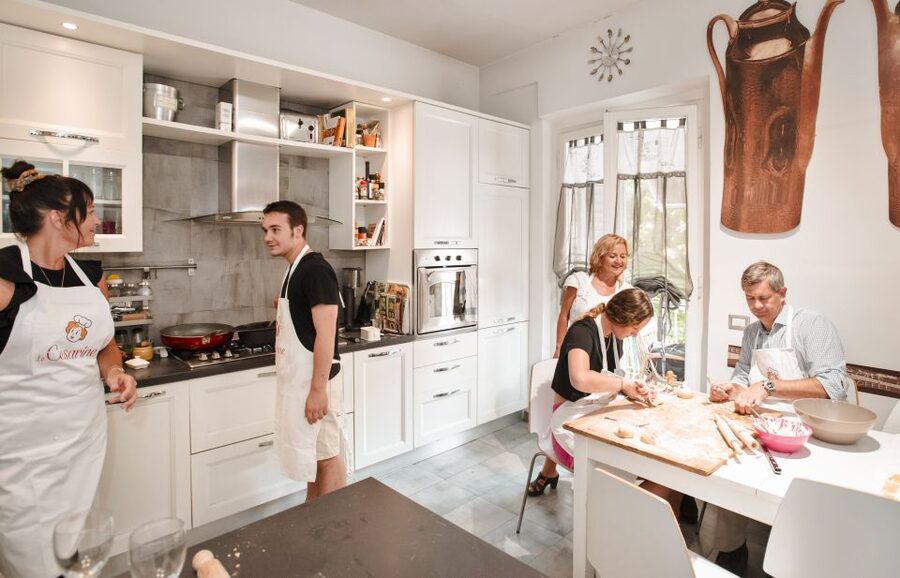
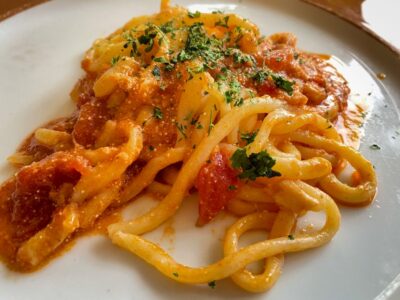
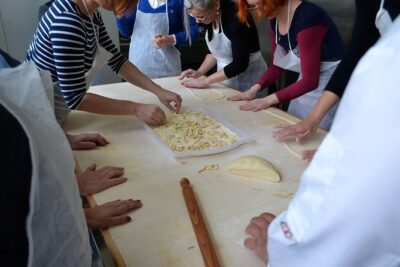
Montepulciano’s best cooking lesson may happen far from a restaurant kitchen. In a local home, you’ll make two pasta dishes and tiramisu from scratch, then sit down to eat what you prepared with wine, coffee, and a little prosecco to start. It is a hands-on meal, not a cooking demonstration where you watch someone else do all the work.
I like the use of family cookbooks and local hosts, which gives the lesson a personal touch. I also like the small group size, capped at eight, because you should get useful attention without losing the easy conversation that makes a shared meal enjoyable. The main consideration is the price, $202.78 per person, which is a serious spend for a three-hour activity, though it includes instruction, food, drinks, and a full meal.
Key points at a glance
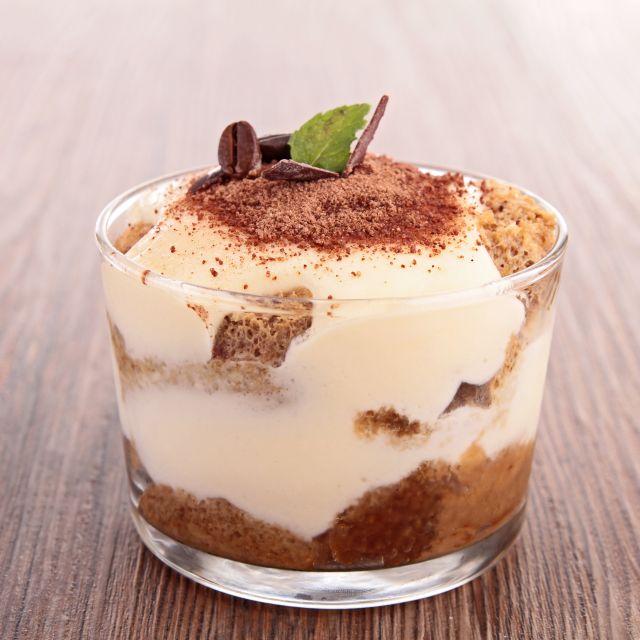
- Two pasta recipes and tiramisu: You make three dishes from the beginning, rather than focusing on one recipe.
- Hosts such as Barbara and Lucrezia: The class is led by an Italian home cook who teaches family methods and kitchen tricks.
- A meal at the family table: You eat your finished dishes with local wines, coffee, prosecco, and nibbles.
- Small group of up to eight: The format is social but still small enough for hands-on help.
- Morning or evening timing: Classes generally begin around 10:00 AM or 5:00 PM, with other times possible by advance request.
- Family-friendly format: Children of all ages can take part, and dietary needs can be discussed after booking.
A cooking class inside a Montepulciano home
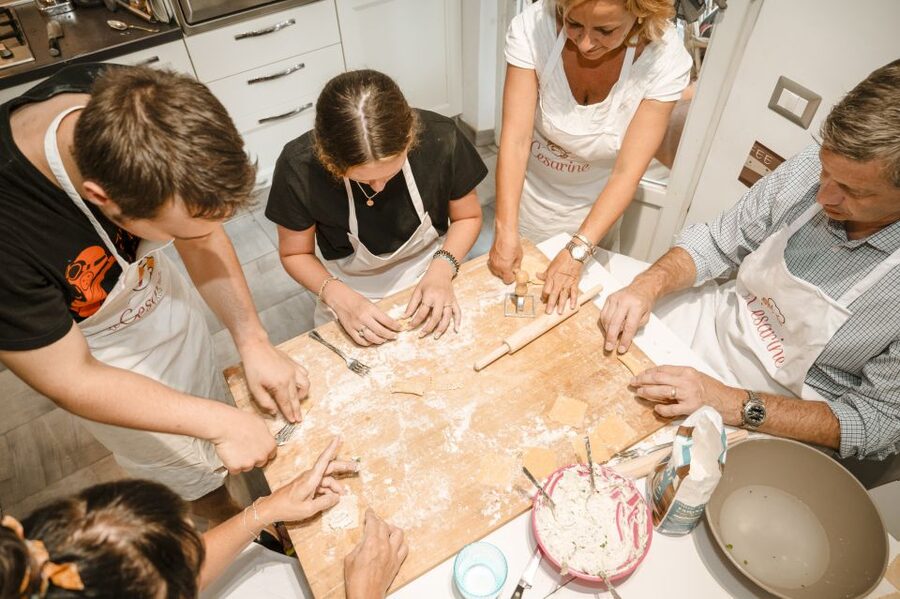
This experience gives you a look at Italian food through the people who cook it at home. You are not simply being served a Tuscan plate. You are asked to help create it, then share the result around the table.
The host may be Barbara, who has been praised for her warm manner, clear teaching, and excellent food, or Lucrezia, whose patient, friendly approach also makes the lesson accessible. The specific host is assigned through the local Cesarine network, so you should think of the class as a home-hosted experience rather than a fixed restaurant workshop.
The address is kept private until you book. Afterward, you receive the full meeting details and your host’s mobile number. That arrangement makes sense for a private home, but it means you cannot judge the location from the town center before reserving. No transport is listed, so you should check the address and plan how you will reach it once it arrives.
More Tiramisu Classes in Italy:
- 3 in 1 Cooking Class near Navona: Fettuccine, Ravioli & Tiramisu
★ 5.0 · 7,376 reviews - Florence: Pasta & Tiramisu Cooking Class with Unlimited Wine
★ 4.9 · 6,708 reviews - Rome: Pasta & Tiramisu Class with Fine Wine by the Vatican
★ 4.9 · 4,852 reviews
What happens during the three-hour lesson
The class covers two types of pasta and tiramisu. The exact recipes can depend on the host and the family’s cooking traditions, but the basic promise is clear: you work through the dishes from scratch, learn the practical steps, and then eat them.
Expect the session to feel like a shared kitchen project. You will likely be shown how the ingredients come together, how to handle the pasta, and how to avoid common mistakes. The value here is not only the final plate. It is the chance to understand the small decisions that make home cooking work, from texture to timing.
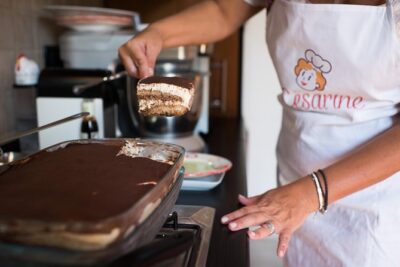
The tiramisu adds a useful change of pace. After working with pasta, you finish with a classic Italian dessert that can be prepared as part of the same meal. It also gives you something easy to repeat at home, assuming you take notes or remember the host’s instructions.
The cooking portion is followed by lunch or dinner at the home. Water, wine, coffee, prosecco, and small aperitivo snacks are included. The aperitivo gives the gathering a relaxed start, while the shared meal lets you taste the work before the three-hour session ends.
Family recipes are the real attraction
Many cooking classes focus on polished presentation. This one focuses more on the food people actually make at home. The use of family cookbooks is important because recipes passed through families often come with practical guidance that is missing from a standard recipe card.
You may learn why a certain texture matters, how a host judges when pasta is ready, or which step deserves patience. Those details are often more useful than a long list of ingredients. They help you repeat the dish later, when you are back in your own kitchen and trying to recreate a meal from Tuscany.
The personal setting also leaves room for conversation. Lucrezia’s lesson, for example, has been praised for including talk about Italian culture and family life, not just cooking instructions. Barbara has also been singled out for creating a warm, welcoming session where the food and conversation were equally important.
That social side is a major part of the value. You could buy pasta in Montepulciano and eat it in a restaurant, but you would miss the chance to learn how a local family approaches the meal.
The meal matters as much as the lesson
The final meal is not an afterthought. It is the point where the class becomes a complete experience. You sit with the other participants, taste the pasta you helped prepare, and enjoy the dessert with coffee and wine.
This is especially appealing if you want an evening with a local family rather than another formal restaurant booking. The shared table encourages conversation between people who may have arrived as strangers. One family group described the experience as a bonding mother-daughter session, which gives you a good sense of how well the format can suit relatives traveling together.
The food itself receives strong praise. Barbara’s cooking has been described as the best meal of an Italy trip, while another class with her was valued for both the delicious results and the small group. Those comments point to two practical strengths: the meal is a genuine part of the activity, and you should not feel lost in a crowded class.
Still, keep your expectations sensible. This is a home cooking lesson, not a tasting menu or a wine course. The emphasis is on pasta, tiramisu, and the host’s hospitality. Wine is included, but the experience is not presented as a detailed study of Tuscan vintages.
A few more classes around Italy worth a look
- Florence: Pasta Cooking Class with Unlimited Wine
★ 4.9 · 10,285 reviews - Florence Pizza or Pasta Class with Gelato Making at a Tuscan Farm
★ 5.0 · 6,801 reviews - Florence: Pasta Cooking Class with Unlimited Wine
★ 5.0 · 6,413 reviews - Naples: Pizza-Making Workshop with Drink and Appetizer
★ 4.9 · 5,411 reviews
Why the small group size makes a difference
The class accepts no more than eight participants. That is large enough to create a sociable table, but small enough for the host to watch what you are doing and offer help.
For a cooking class, this limit matters. If the group were much larger, you could spend too much time waiting for access to the work surface or watching from the back. With up to eight people, you have a better chance to take part in each recipe and ask questions as you go.
The word private can be slightly confusing here. The lesson takes place in a private family home, but the experience may include other booked participants. If you want a completely exclusive session for only your own party, confirm that arrangement before booking. The supplied information promises a small group, not a guaranteed one-party booking.
The social setup works best for people who enjoy conversation. If you want silent, individual instruction, a home meal with several participants may feel less focused. If you like meeting people over food, the format should feel natural.
Choosing between the morning and evening start
The class usually begins at around 10:00 AM or 5:00 PM. The morning option leads into lunch, while the evening option leads into dinner.
The 10:00 AM start suits a day when you want food to be the main event. It may also work well for families with younger children, since the activity finishes earlier in the day. The 5:00 PM option makes more sense if you want to turn the class into your evening meal and avoid arranging a separate dinner afterward.
The starting times are flexible with an advance request, but flexibility is not guaranteed. Ask before booking if you need a specific hour, especially if you have a train, winery visit, or other reservation in Montepulciano.
Because the home address is sent only after booking, leave some room in your schedule for getting there. You will have the host’s mobile number, which is useful if you need to clarify the meeting point.
The $202.78 price: what you receive
At $202.78 per person, this is not a budget activity. The price needs to be judged against what is included: a three-hour lesson, two pasta dishes, tiramisu, aperitivo snacks, prosecco, wine, water, coffee, and the meal itself.
You are also paying for a personal setting and direct time with a local cook. That can be better value than a short demonstration followed by a separate restaurant bill, particularly if you would otherwise pay for both a cooking class and dinner.
The price is easier to justify for a special occasion, a couple who values food, or a family that wants one memorable shared activity. It is harder to justify if your main goal is simply to eat inexpensive pasta in Tuscany. Montepulciano has plenty of restaurants, and this experience asks you to pay for the lesson, the home setting, and the personal connection as well as the food.
The strongest value comes when you use the class after the trip. If you learn techniques you can repeat at home, the experience becomes more than one meal. Take notes if the host permits it, and ask questions about ingredients and preparation while you have the chance.
Who should book this experience
This class suits people who want to take part rather than sit back. You do not need to be an experienced cook. The hosts are there to guide you, and Lucrezia in particular has been praised for patience and friendly instruction.
It is also a good choice for families. Children of all ages are welcome, and the hands-on format gives younger participants a clear role. You should still consider your child’s interest in cooking and ability to spend several hours at a table. The activity is family-friendly, but it is not a fast sightseeing stop.
Couples and solo visitors can enjoy it too. A solo participant may find the shared meal an easy way to meet people, while couples get a meal they create together instead of simply ordering from a menu.
Food-focused visitors will get the most from the class. If you are mainly interested in churches, views, or wine estates, this will take a substantial part of your day and may not fit your priorities. The attraction is the kitchen, the table, and the people around it.
Dietary needs and practical questions
Dietary requirements can be accommodated, but you need to confirm them directly with the organizer after booking. Do not wait until you arrive at the home. Give clear information about allergies, vegetarian needs, or other restrictions as early as possible.
The class is taught in Italian and English. That makes it suitable for English-speaking visitors, though the experience is still an informal home lesson rather than a formal culinary school course.
Cancellation is flexible up to 24 hours before the activity, when you can receive a full refund. You can also reserve now and pay later, which helps if your Tuscany schedule is still changing.
My recommendation for Montepulciano
I would book this if you want your Montepulciano food experience to include conversation, practical cooking, and a meal in a local home. The strongest reasons are the small group, the family recipes, and the chance to eat everything you make with wine and coffee.
I would skip it if $202.78 feels too high for a three-hour activity, or if you would rather spend your time visiting wineries and restaurants. Before committing, check the final location, request your preferred morning or evening time, and explain any dietary needs.
For food lovers, families, and anyone who wants more than a restaurant table, this is a thoughtful splurge. Barbara and Lucrezia have both made a strong impression through warmth, patience, and good cooking, but the exact host can vary. That personal element is part of the appeal, and also why you should arrive ready for a real home meal rather than a perfectly standardized class.
FAQ
Where does the cooking class take place?
The class takes place in a local family’s home in Montepulciano. The full address is provided after you book, along with the host’s mobile number and meeting details.
How long does the experience last?
The cooking class lasts three hours. Some individual sessions may run longer, so allow a little extra time if your schedule is tight.
What will I cook?
You will prepare two pasta dishes and a tiramisu from scratch. The host teaches the recipes and practical methods used in the home kitchen.
Are food and drinks included?
Yes. The experience includes the food you prepare, water, wine, coffee, and an Italian aperitivo with prosecco and nibbles.
What time does the class begin?
Classes typically begin at 10:00 AM or 5:00 PM. Other starting times may be possible if you request them in advance.
How many people can join?
The group is limited to eight participants. The class takes place in a private home, but it is not necessarily limited to only your own party.
Can children take part?
Yes. The activity is suitable for families with children of all ages.
Can dietary requirements be accommodated?
Different dietary requirements can be considered, but you must confirm them directly with the service organizer after booking.
What languages are spoken?
The cooking class is offered in Italian and English.
Can I cancel for a refund?
You can cancel up to 24 hours in advance for a full refund. Reserve now and pay later is also available.
Just added around Italy
- Volterra: Fresh Pasta Cooking Class at a Tuscan Farmhouse★ 5.0 · 33 reviews
- Verona: Tortellini Cooking Class and Lunch with Mamma Ivana★ 5.0 · 20 reviews
- Vicenza: Pasta & Tiramisu Cooking Class at a Local’s Home★ 5.0 · 5 reviews
- Verona: My Granny’s secrets making gnocchi★ 5.0 · 7 reviews
- Verona: Prosecco and Pasta Making Class at a Local’s Home★ 5.0 · 10 reviews
- Verona: Pasta Cooking Class with Wine Tasting★ 5.0 · 4 reviews
- Verona: Pasta & Tiramisu Cooking Class at a Local’s Home★ 5.0 · 16 reviews
- Valnerina/Pasta cooking class in a 12th century location★ 4.8 · 9 reviews
Montepulciano Pasta Classes, compared.
Cesarine: Small group Pasta and Tiramisu class in Montepulciano
Read our review →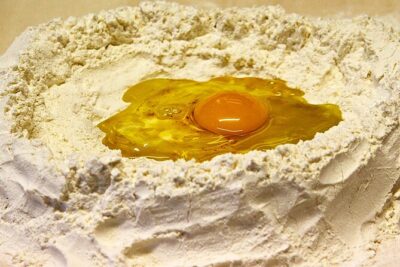
Private Pasta & Tiramisu in an Intimate Montepulciano Home
Read our review →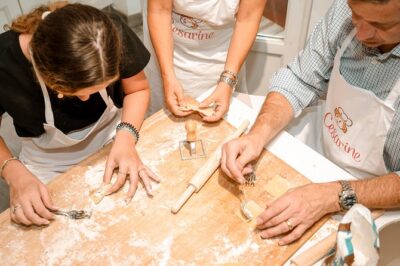
Cesarine: Fresh Pasta Class at Local’s Home in Montepulciano
Read our review →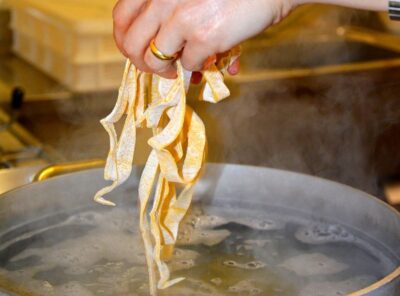
Browse the lists this tour appears in