
REVIEW · MONTEPULCIANO
Montepulciano: Pasta-Making Class with Tasting and Wine
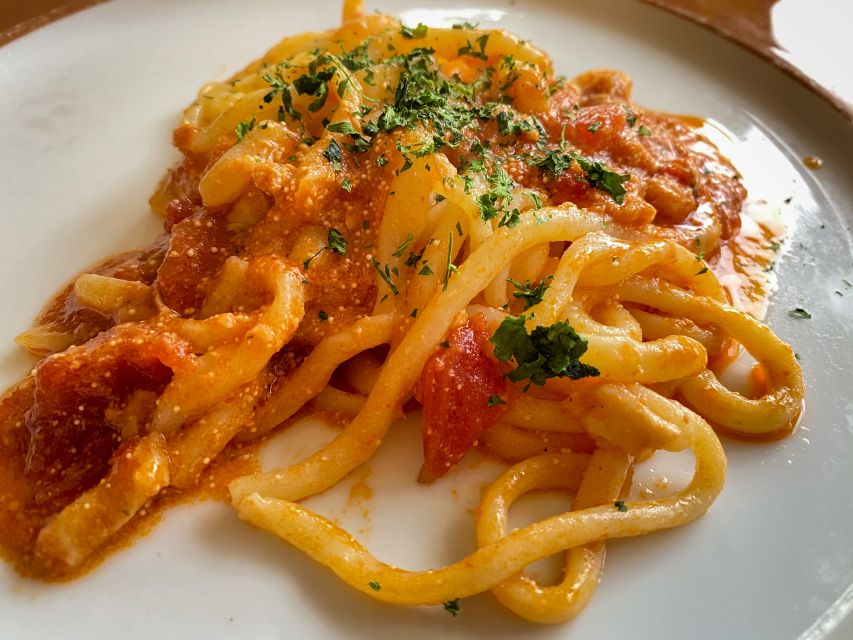
Pici is Tuscany’s wonderfully simple answer to spaghetti: thick, hand-rolled noodles made by rubbing dough between your palms. This three-hour class near Montepulciano teaches the local method called appiciare, then lets you eat the pasta with sauces such as aglione, ragù, or cacio e pepe.
I like the small group of no more than 10, which gives the class a friendly, hands-on feel. I also like the setting: a farmhouse rather than a formal cooking school, with hosts such as Maria, Alister, Irene, Daniela, or Daniel appearing in different sessions. The drawback is that the exact farmhouse and host are confirmed only after booking, and transportation is not included.
Key points to know before booking
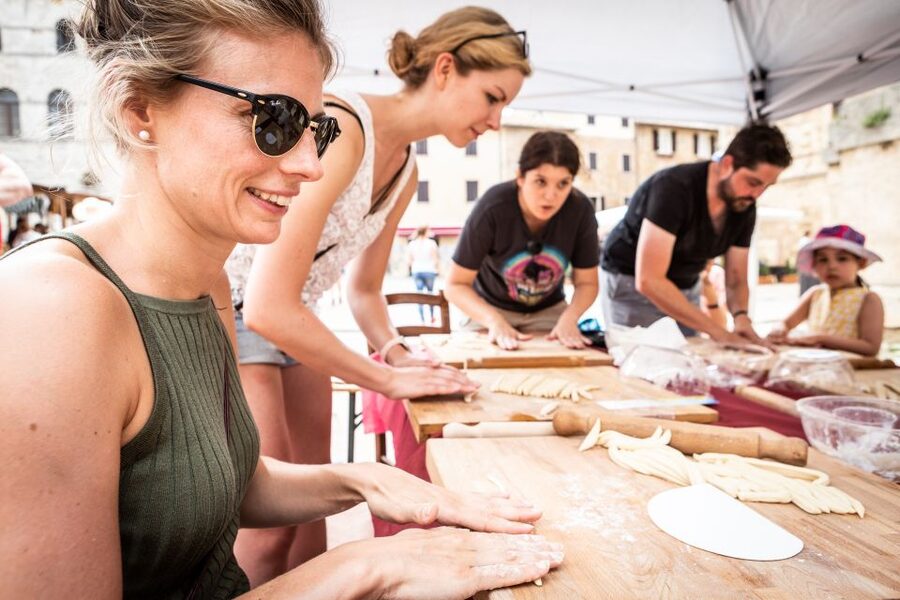
- Pici is the main event: Learn the traditional Sienese technique of rolling thick pasta by hand.
- More than one pasta may be made: Depending on the class, you may also prepare tagliatelle and ravioli.
- Sauces are part of the lesson: Aglione, meat ragù, and cacio e pepe are among the possible Tuscan recipes.
- You eat what you make: The class ends with lunch or dinner and a glass of wine.
- The setting is personal: Classes take place at a farmhouse, often with outdoor views and a family-style welcome.
- The price includes a keepsake: You receive an apron presented as a true Tuscan chef’s apron.
Why pici makes this class different
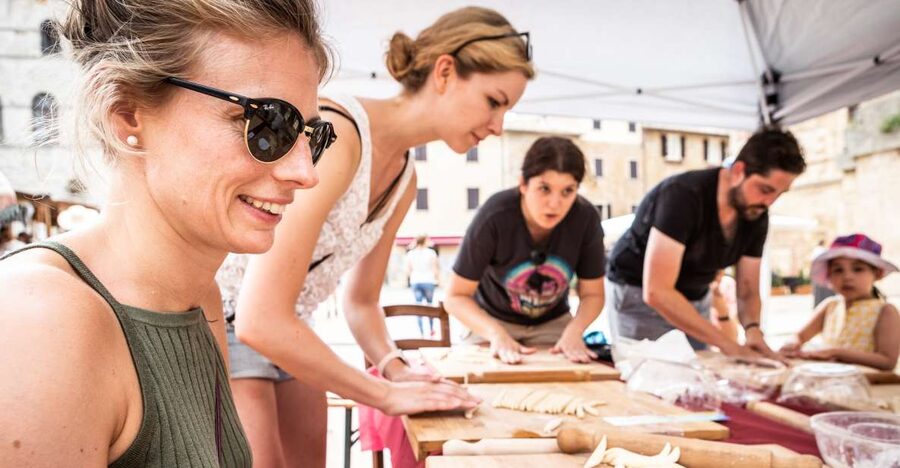
Many Italian cooking classes focus on familiar pasta shapes that require a pasta machine or careful knife work. Here, the star is pici, the thick pasta associated with Siena and the surrounding Valdichiana area.
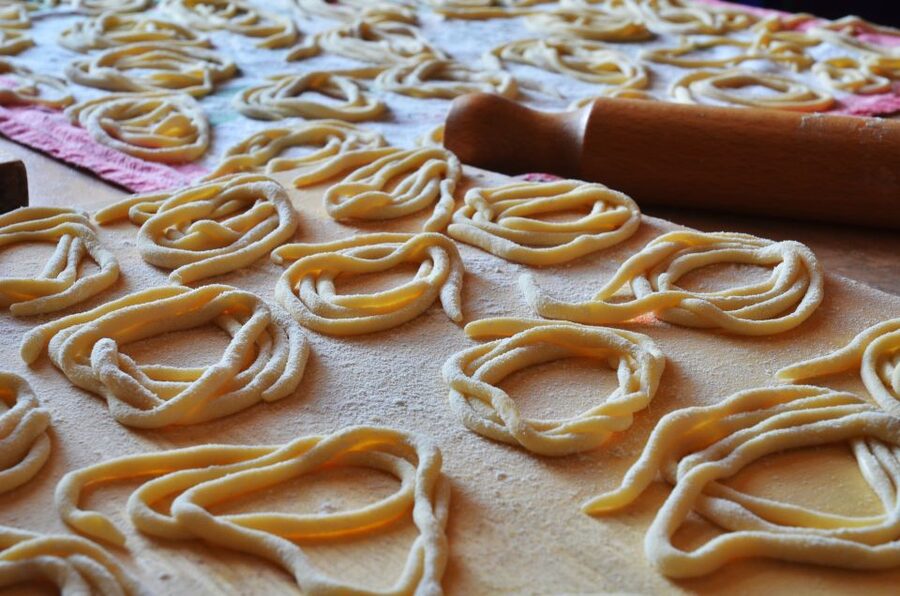
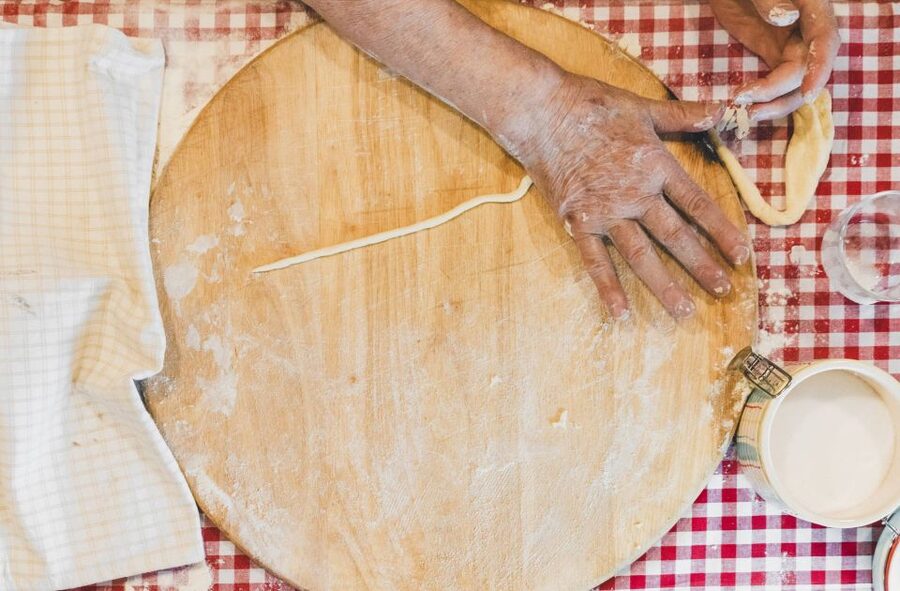
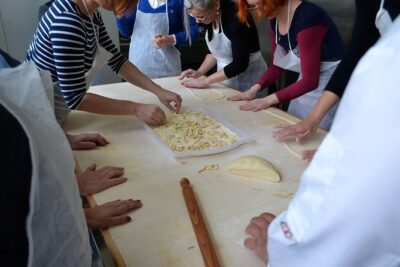
The dough is rolled between your hands until it forms long, uneven strands. The movement is simple enough for a first-time cook, and the slight irregularity is part of the charm. You are not trying to produce factory-perfect noodles. You are learning a practical country recipe that people could make with basic ingredients and simple tools.
The local word appiciare describes the rubbing and rolling gesture. It is a small detail, but it gives the lesson a real sense of place. You are not simply making pasta in Tuscany. You are learning one of the area’s most recognizable food traditions.
Pici is also a good choice for a class because it is forgiving. If your noodles vary in thickness, they still cook and taste good. That makes this a better fit for beginners than a class built around delicate filled pasta alone.
More Fresh Pasta Workshops in Italy:
- Rome: Pasta Making Class with Wine, Limoncello, and Dessert
★ 4.9 · 3,177 reviews - Pastamania – Florence Pasta Making Class
★ 5.0 · 3,050 reviews - Enjoy Spritz and Pasta Making in Piazza Navona
★ 5.0 · 1,681 reviews
What happens during the three-hour class
The exact starting time depends on availability, but plan on three hours from meeting at the farmhouse to finishing the meal. The farmhouse address is sent after booking confirmation, so you need to keep an eye on your messages and plan your own way there.
The class begins with instruction on fresh pasta. You will work with the dough and learn the basic motions before shaping the noodles. The emphasis is practical. You are expected to take part, not simply watch a chef prepare lunch.
Pici is the central shape, but the class may also include tagliatelle and ravioli. Several sessions have involved three types of pasta, giving you a useful range of techniques to take home. Tagliatelle introduces cut noodles, while ravioli adds the challenge of filling and sealing pasta.
The sauces help make the lesson more useful. Aglione is a Tuscan garlic and tomato sauce. Meat ragù offers a fuller, slower-cooked style, while cacio e pepe relies on the basic combination of cheese and pepper. You may not prepare every sauce at every session, but these are the recipes associated with the experience.
One especially appealing feature is the use of simple ingredients. In one session, the group picked strawberries for bruschetta and used produce grown on the farm. That kind of detail can vary by date, so do not treat it as a guaranteed part of every booking. Still, it shows the sort of farmhouse cooking this class aims to provide.
From kitchen table to Tuscan lunch
When the pasta is ready, you sit down to eat it. This is not a demonstration where your work disappears into the kitchen and you receive a separate meal. The point is to taste the noodles you shaped and understand how fresh pasta works with the sauces.
The meal is served as lunch or dinner, depending on the starting time. A glass of wine is included, giving the final part of the class a relaxed Tuscan feel. You may eat indoors or outside depending on the farmhouse and conditions, but outdoor dining on a patio has been part of some sessions.
The food is likely to be the strongest part of the value. At $141.61 per person, this is not a cheap pasta lesson. You are paying for a three-hour activity, instruction, the meal, wine, and the setting. The class makes more sense financially if you value the full experience rather than just the amount of pasta on your plate.
The meal also gives the class a natural finish. After working with flour and dough, you can sit down and enjoy the result instead of rushing off to another scheduled sight. Allow time for the meal when planning your day in Montepulciano.
The farmhouse setting and personal welcome
This experience is held at a farmhouse whose exact location is provided after confirmation. That arrangement gives the setting a more private, local feel, but it requires a little more planning than a class at a clearly marked cooking studio.
The farmhouses described in the experience include rolling countryside views, outdoor dining areas, and working spaces large enough for a small group. One session took place in a beautiful country property with two friendly boxers. Dogs and specific property features are not guaranteed, but you can expect a home-style setting rather than a commercial restaurant kitchen.
The hosts are an important part of the experience. Different sessions have featured people including Maria and Alister, Simonetta and Susanna, Irene, Daniela, and Daniel. They have helped with the pasta, sauces, bruschetta, and meal. The mix of names suggests that Valdichiana Living works with several local hosts, so the tone and exact menu may vary.
English and Italian are offered. That matters in a hands-on class, because you need to understand how to work the dough and shape the pasta. The available information indicates that the hosts can explain the process in English, though individual fluency may differ.
The small size is a real advantage. With a maximum of 10 people, you should have a chance to work directly with the dough and ask questions. Some sessions have been even smaller, including classes for only four people. A larger group can feel more social, while a four-person class can feel almost like cooking with a family.
More Pasta Classes with Wine in Italy:
- Florence: Pasta Cooking Class with Unlimited Wine
★ 4.9 · 10,285 reviews - Florence: Pasta & Tiramisu Cooking Class with Unlimited Wine
★ 4.9 · 6,708 reviews - Florence: Pasta Cooking Class with Unlimited Wine
★ 5.0 · 6,413 reviews - Rome: Pasta & Tiramisu Class with Fine Wine by the Vatican
★ 4.9 · 4,852 reviews
What you can take home
The best souvenir is the method. Pici does not demand special equipment, and the basic recipe is easy to repeat in your own kitchen. You can make the dough, roll it by hand, and serve it with a simple sauce.
The class also gives you a practical introduction to Tuscan flavor combinations. Aglione shows how garlic and tomato can carry a dish. Cacio e pepe demonstrates how a few ingredients can create a sauce when handled carefully. Ragù gives you a more familiar option if you prefer a meat-based pasta dish.
You also receive an apron as a small gift. It is a modest extra, but a useful one. It gives the experience a physical souvenir without turning the class into a shopping stop.
I would suggest taking notes or photographs of the dough process if the host allows it. The most useful details are often the feel of the dough, the thickness of the pici, and the timing for the sauce. Those are harder to remember than the ingredient list.
Price, group size, and practical planning
The cost is $141.61 per person. That price includes the fresh pasta class and the lunch or dinner, plus a glass of wine and the apron. Transportation is not included, and the meeting point is a farmhouse disclosed after booking.
For a simple cooking lesson, the price may feel high. For a half-day food experience with a meal in the Tuscan countryside, it is easier to justify. You are paying for instruction, food, a small group, and the setting, not merely for a plate of pasta.
The lack of included transportation is the main practical concern. You need to arrange your own route to the farmhouse and return afterward. If you are staying in Montepulciano without a car, check the final address before committing. The activity details do not promise a pickup service.
The exact start time also varies. Check availability before choosing a date, and avoid placing a tight museum visit, winery appointment, or train connection immediately afterward. A pasta class has a natural rhythm that includes cooking and eating, and you will enjoy it more if you are not watching the clock.
Cancellation is flexible up to 24 hours before the activity for a full refund. You can also reserve now and pay later, which helps if you are still arranging your Tuscany plans.
Who will enjoy this pasta class most
This is a strong choice for couples, families, and small groups who want to do something together rather than spend another afternoon looking at monuments. It suits first-time cooks because pici is simple and hands-on.
It is also a good option for people who want a meal with a local connection. The farmhouse setting, family-style hosts, and use of traditional sauces make it feel more personal than a standard restaurant dinner.
Families should note that the activity is three hours long and involves working with dough, waiting for pasta to cook, and sitting down for a meal. Children who enjoy making things may have fun, but the supplied information does not specify a minimum age or child policy.
Experienced cooks can enjoy it too, especially if pici is new to them. You will not be learning advanced restaurant technique, but you will learn a regional pasta shape that is easy to recreate at home.
This is less suitable if you need a fixed address, included transport, or a tightly timed schedule. It is also not the right pick if you want a formal culinary course with guaranteed recipes and a fixed menu. The host and exact dishes can vary.
How this compares with a regular Montepulciano meal
A restaurant meal gives you a chance to taste Tuscan food without effort. This class asks you to earn part of the meal, then rewards you with the result. That extra work is the reason to book it.
You also get context that a menu alone cannot provide. You learn why pici is shaped by hand, how thick it should be, and how it pairs with sauces from the region. Those details can change the way you order pasta later in your trip.
The tradeoff is time. A restaurant may take an hour or two. This activity uses three hours and requires you to reach a farmhouse outside the main sightseeing route. If your visit to Montepulciano is very short, you need to decide if the cooking experience is more valuable to you than another winery, church, or town walk.
I like the class best as a break from sightseeing. After busy days in Florence, Siena, or Montepulciano, sitting down to make food with a small group offers a slower change of pace.
Should you book the Montepulciano pici class?
Book it if you want a hands-on Tuscan meal, enjoy small groups, and are happy to arrange your own transport to an undisclosed farmhouse. The chance to learn pici by hand, prepare sauces, and eat with wine gives the experience a clear sense of place.
The strongest reasons to go are the personal setting, the beginner-friendly pasta method, and the meal made from your own work. The most praised features are the welcoming hosts, beautiful farmhouse properties, fresh ingredients, and the chance to make several pasta shapes in one session.
Skip it if you need a precise location before booking, dislike cooking activities, or feel $141.61 is too much for a three-hour meal-based experience. Also check the transport plan carefully. With those points understood, this is one of the better ways to turn a Tuscan lunch into a memory you can repeat at home.
FAQ
How long does the Montepulciano pasta class last?
The activity lasts three hours, including the fresh pasta lesson and the lunch or dinner.
What pasta will I learn to make?
Pici is the main pasta taught. Depending on the session, you may also prepare tagliatelle and ravioli.
What is pici?
Pici is a thick, hand-rolled pasta associated with the Province of Siena. You make it by rolling and rubbing the dough between both hands, a local gesture called appiciare.
Are sauces included in the class?
Yes. The class includes instruction for Tuscan sauces such as meat ragù, aglione sauce, and cacio e pepe. The exact selection may vary by session.
Is a meal included?
Yes. The experience ends with lunch or dinner featuring the fresh pasta you prepare. A glass of wine is included.
Where does the class take place?
The class takes place at a farmhouse near Montepulciano. The exact farmhouse and meeting details are provided after booking confirmation.
Is transportation included?
No. Transportation to and from the farmhouse is not included.
What languages are available?
The host or greeter can conduct the activity in Italian or English.
More Food and Drink Tours in Italy
- Bologna Food & Market Tour with 6 Tastings, Pasta, Wines & More
★ 5.0 · 1,328 reviews - Pasta Making & Wine Tasting with Dinner in Frascati from Rome
★ 5.0 · 1,326 reviews - Rome: Pasta Making with Wine Tasting and Dinner in Frascati
★ 4.9 · 979 reviews - Pizza School with Wine and Limoncello Tasting in a Local Farm
★ 5.0 · 845 reviews
More Wine Tastings in Italy
- Learn to Make Pasta & Tiramisu with Wine and Limoncello Included
★ 5.0 · 2,345 reviews - Florence: Cooking Class Pasta & Tiramisu Making Unlimited Wine
★ 5.0 · 2,234 reviews - Fettuccine & Tiramisù: Cooking Class with Wine & Limoncello
★ 4.9 · 2,103 reviews - Sorrento: Pizza Lesson, Wine, and Limoncello at a Local Farm
★ 5.0 · 1,513 reviews
Just added around Italy
- Volterra: Fresh Pasta Cooking Class at a Tuscan Farmhouse★ 5.0 · 33 reviews
- Verona: Tortellini Cooking Class and Lunch with Mamma Ivana★ 5.0 · 20 reviews
- Vicenza: Pasta & Tiramisu Cooking Class at a Local’s Home★ 5.0 · 5 reviews
- Verona: My Granny’s secrets making gnocchi★ 5.0 · 7 reviews
- Verona: Prosecco and Pasta Making Class at a Local’s Home★ 5.0 · 10 reviews
- Verona: Pasta Cooking Class with Wine Tasting★ 5.0 · 4 reviews
- Verona: Pasta & Tiramisu Cooking Class at a Local’s Home★ 5.0 · 16 reviews
- Valnerina/Pasta cooking class in a 12th century location★ 4.8 · 9 reviews
Montepulciano Pasta Classes, compared.
Cesarine: Small group Pasta and Tiramisu class in Montepulciano
Read our review →
Private Pasta & Tiramisu in an Intimate Montepulciano Home
Read our review →
Cesarine: Fresh Pasta Class at Local’s Home in Montepulciano
Read our review →
Browse the lists this tour appears in