
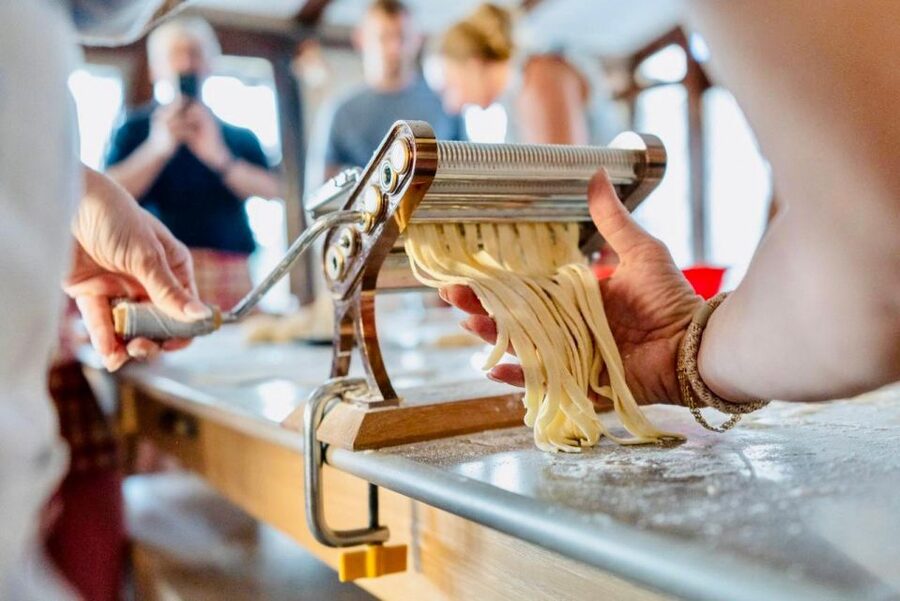
REVIEW · AMALFI
Amalfi: Mozzarella, Fettuccine, and Tiramisù Cooking Class
The best part of this Amalfi Coast cooking class is the hands-on work. You make tiramisù, stretch mozzarella, and roll fresh pasta at an organic farm in Pianillo, then eat what you prepared with wine and limoncello. Ferdinando leads the class with humor and patience, and the mountain setting gives the meal a fine view.
I especially like the farm-to-table setting and the way the class teaches real techniques instead of simply serving a demonstration. I also like the generous format: the class includes lunch or dinner, a farmhouse tour, wine, limoncello, and free parking. The main drawback is getting there. Pianillo is away from Amalfi port, and the building can be hard to spot, so check bus times and directions before setting out.
Key points at a glance
- Three classic dishes: Make tiramisù, mozzarella, and fresh tagliatelle from basic ingredients.
- A working farm setting: Ingredients come from the organic farm, with a guided look around the farmhouse.
- A warm, relaxed host: Ferdinando teaches in English or Italian and keeps the class friendly and practical.
- A full meal included: Eat your finished dishes with local wine, plus a tasting of limoncello.
- A panoramic setting: The farm looks across the Amalfi Coast, with a nearby viewpoint adding to the experience.
- Plan the approach: Hotel pickup is not included, and the venue may be difficult to identify from the road.
What the three-hour class is really like
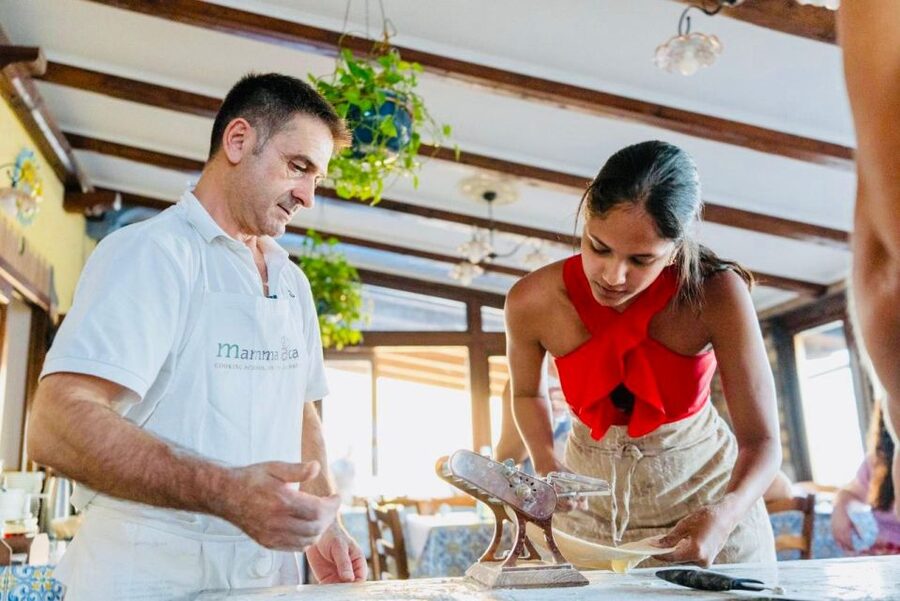
This is not a quick pasta lesson squeezed between sightseeing stops. The three-hour format gives you time to make several dishes, sit down for a proper meal, and see something of the farm. You should expect a social class with practical work, conversation, and plenty of food.
The order can vary, but the experience covers three main preparations. You make the tiramisù first so it has time to chill. You then work on the mozzarella, followed by the fresh pasta. Once the tagliatelle is ready, it goes to the kitchen for finishing before returning to the table.
The pasta is sometimes described as fettuccine, but the class information calls it tagliatelle. The useful point is that you are making long, fresh egg pasta by hand, using flour, eggs, and oil. Ferdinando guides you through mixing and working the dough, which makes this suitable for beginners as well as confident home cooks.
More Tiramisu Classes in Italy:
- 3 in 1 Cooking Class near Navona: Fettuccine, Ravioli & Tiramisu
★ 5.0 · 7,376 reviews - Florence: Pasta & Tiramisu Cooking Class with Unlimited Wine
★ 4.9 · 6,708 reviews - Rome: Pasta & Tiramisu Class with Fine Wine by the Vatican
★ 4.9 · 4,852 reviews
Starting with tiramisù
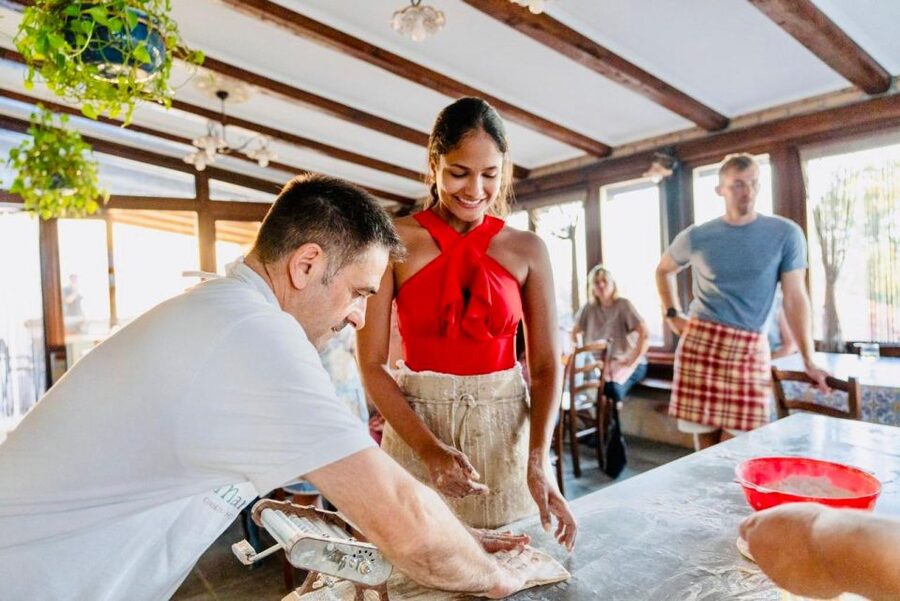
Beginning with tiramisù is a smart bit of planning. The dessert needs time to become cold before you eat it, so preparing it early makes sense. You learn how to build the layers and see how a few familiar ingredients turn into a dessert that feels closely tied to Italian home cooking.
This part of the class is less physically demanding than pasta or mozzarella, but it still gives you something useful to take home. You learn the sequence rather than simply watching someone assemble a finished dish. If tiramisù is your favorite of the three foods, this may be the most immediately rewarding section.
The class description promises authentic tiramisù, though the exact recipe details are not specified. You should expect instruction on the layering process, not a formal pastry-school lesson. That is part of the appeal: the focus is on food you can realistically try again in your own kitchen.
Stretching mozzarella from scratch
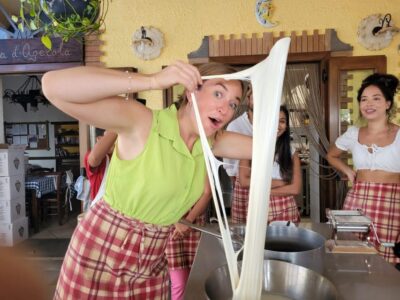
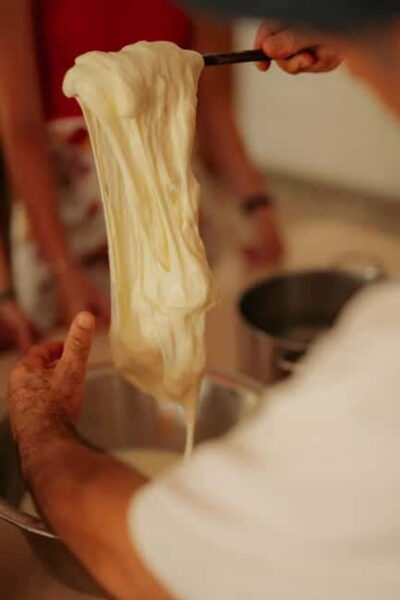
The mozzarella session is the most unusual feature here. Fresh pasta classes are common in Italy, but learning to make mozzarella from the beginning gives the experience a stronger sense of place. Ferdinando demonstrates traditional methods and then helps you work with the cheese yourself.
Expect to use your hands. The process is tactile, and the point is to understand how the cheese changes as you work it. You will not simply receive a ball of mozzarella at the end. You take part in the shaping and preparation, which makes the finished food more satisfying at the table.
The class uses products from the farm, described as local, organic, and Km0. That does not mean every item on the table is grown directly beside the cooking area, but it does tell you what the organizers are trying to offer: food with a short local chain and a clear connection to the property.
Rolling fresh tagliatelle by hand
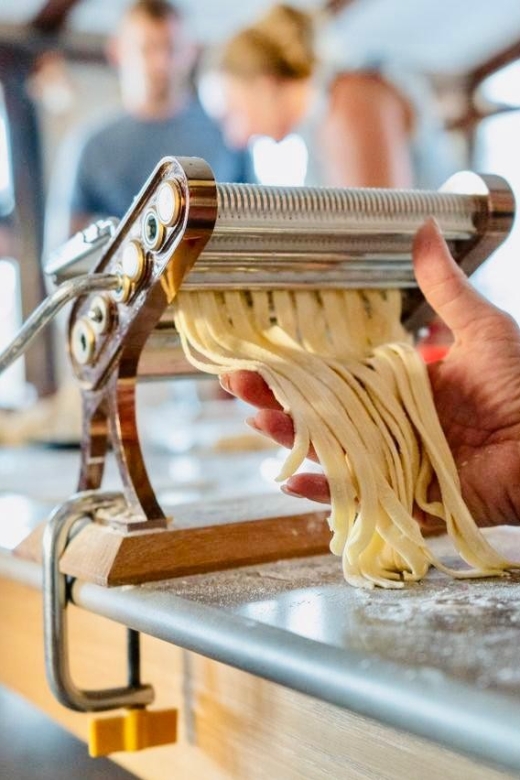
The pasta lesson is likely to be the most active section. You work with flour, eggs, and oil to prepare the dough, then follow Ferdinando’s guidance as it becomes tagliatelle. Beginners should not worry about producing perfect restaurant strands. The class is designed to make the process understandable and enjoyable.
I like this kind of lesson because it teaches a repeatable skill. You can buy excellent pasta throughout Campania, but knowing how to make the dough changes the way you understand the dish. You also learn why texture matters, how the dough should feel, and how much hands-on work fresh pasta requires.
After you prepare the pasta, it is taken to the kitchen for finishing. This keeps the class moving and means you are not waiting around while everyone tries to cook at once. It also means you may not personally handle every final cooking step, so anyone wanting a full professional kitchen lesson should keep expectations realistic.
More Ravioli and Gnocchi Classes in Italy:
- Rome: 3-in-1 Fettuccine, Ravioli, and Tiramisu Cooking Class
★ 4.9 · 2,704 reviews - Rome: Fettuccine Pasta Cooking Class in Rome’s City Center
★ 4.8 · 2,414 reviews - Become a Masterchef in Rome: Pasta, Ravioli and Tiramisù Class
★ 5.0 · 2,156 reviews - Fettuccine & Tiramisù: Cooking Class with Wine & Limoncello
★ 4.9 · 2,103 reviews
A farmhouse meal with wine and limoncello
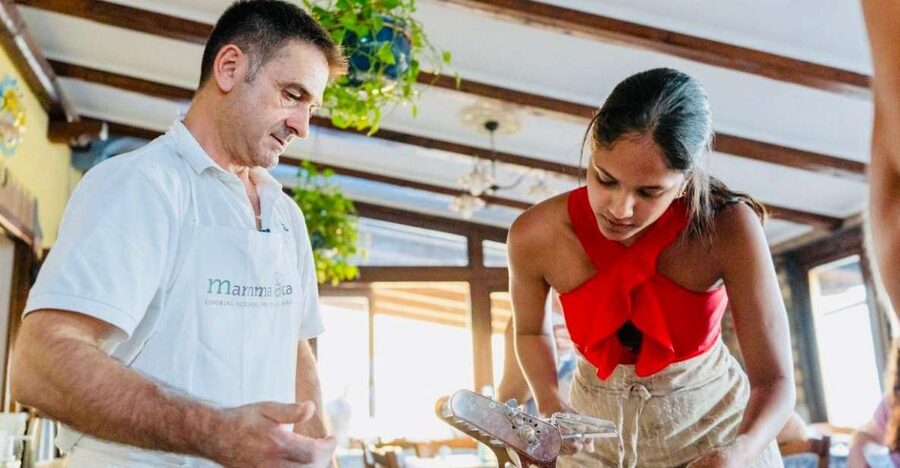
The meal is included in the price, so this is more than a lesson followed by a small sample. You sit down to eat the pasta, mozzarella, and tiramisù you helped prepare. Bread, additional farm food, and local products may also be part of the table, depending on the day and what is available.
Local wine is served during the class and with the meal. A limoncello tasting is included as well. This suits the relaxed, social tone of the experience, but it is worth planning your transport carefully if you intend to enjoy both. Driving after drinking is not a sensible option.
The food is a strong part of the value. At $71 per person, you are paying for three hours of instruction, a guided farmhouse visit, a full lunch or dinner, wine, limoncello, and free parking. A restaurant meal alone on the Amalfi Coast can take a large share of that amount, while this class also gives you skills and a story to carry home.
Do not read the price as a guarantee of an elaborate multi-course feast. The attraction is the combination of food, teaching, setting, and company. If you want a quiet meal with polished service, choose a restaurant. If you want to work for your meal and enjoy a more personal family setting, the price looks very fair.
The views add real value
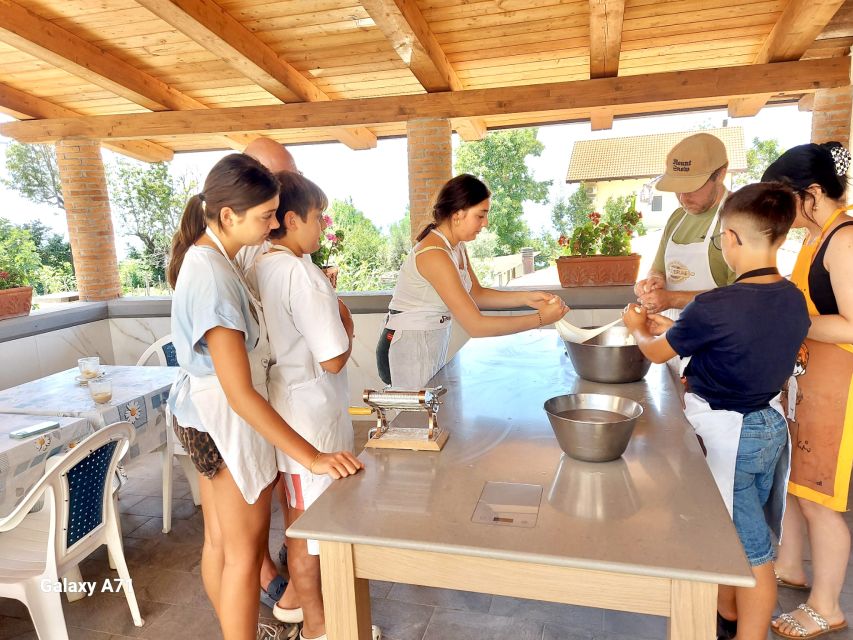
The farmhouse sits in Pianillo, in the hills above the Amalfi Coast. During the class, you get panoramic views across the coast, and the experience can include a short walk to a nearby viewpoint after the meal.
That view matters because it gives the class a sense of place. You are not cooking in a generic studio that could be anywhere in Italy. You are preparing familiar dishes in Campania, surrounded by the setting that makes this part of the country so memorable.
The viewpoint is a bonus rather than the main event, so do not book this as a dedicated scenic walk. The class remains centered on cooking and eating. Still, I would make time to step outside and look around, especially if you have spent most of your Amalfi visit in crowded coastal towns.
Getting to Pianillo without frustration
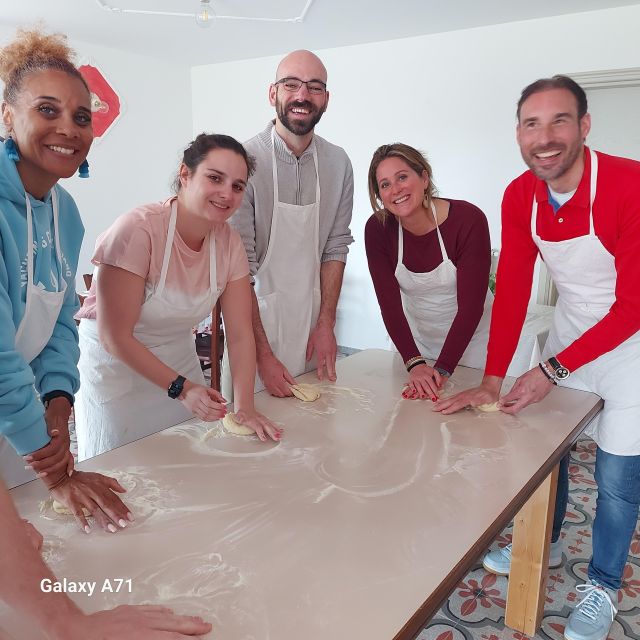
Transportation is the main practical concern. Hotel pickup and drop-off are not included, and the class takes place away from Amalfi port. From Amalfi, you may need a bus, and bus schedules should be checked before booking a specific class time.
The approach can also require patience. The venue reportedly has no clear sign on the building, and map directions may stop you a couple of buildings away. Ask locally if needed, and allow extra time rather than aiming to arrive at the exact start of the class.
Free parking is included, which makes a rental car useful for some visitors. The roads around the Amalfi Coast can be challenging, though, and the information provided does not promise a private transfer. If you are staying nearby and prefer not to drive, work out the bus connection in advance.
The venue is wheelchair accessible, an important plus. The information does not give details about every part of the transport route or the viewpoint walk, so ask the operator if you need specific mobility arrangements beyond access to the farmhouse.
Who will enjoy this cooking class most
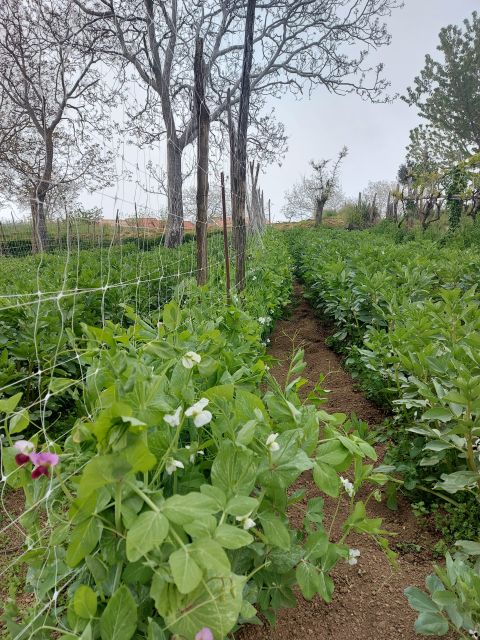
I would recommend this for people who want a hands-on cultural activity, not just another scenic stop. It suits couples, families, friends, and solo visitors who enjoy meeting other people over food. The atmosphere is family-friendly, and participants must be at least seven years old.
Children over seven can take part, but the class still involves working with food, waiting for dishes, and sitting through a three-hour experience. Younger children who want constant movement may find the pace less easy. Everyone entering the venue, including people who are not cooking, must pay for the class.
You do not need to be an experienced cook. Ferdinando’s teaching style is patient and encouraging, and the recipes are broken into steps. People who already make pasta at home may find the mozzarella work more valuable, while beginners will get a clear introduction to all three dishes.
This is also a good choice if you want a break from the Amalfi Coast’s famous towns. You trade a few hours of beach or sightseeing time for food, views, and contact with local routines. That trade makes sense on a longer visit. On a very short stay, transport time becomes more important.
Dietary limits to consider before booking
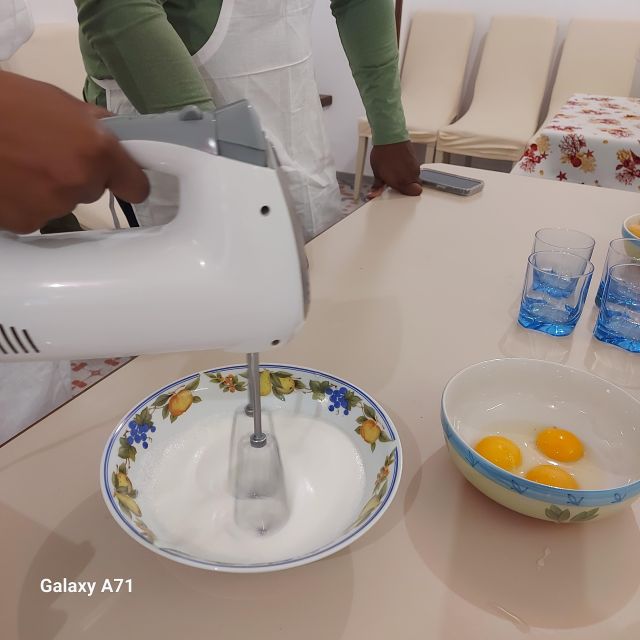
A vegetarian option is available, but you need to request it when booking. The activity cannot cater to other alternative dietary needs, including gluten intolerance or lactose intolerance.
That restriction is significant here because the class centers on flour, eggs, dairy, and mozzarella. If you avoid one of those foods for medical reasons, this is probably not the right cooking experience. Do not assume that a dish can be altered on the day.
The class information also says the main pasta uses eggs. If you have a specific dietary concern, contact the provider before paying rather than relying on an informal adjustment. Clear communication will prevent an uncomfortable surprise once the cooking begins.
What makes Ferdinando’s teaching style work
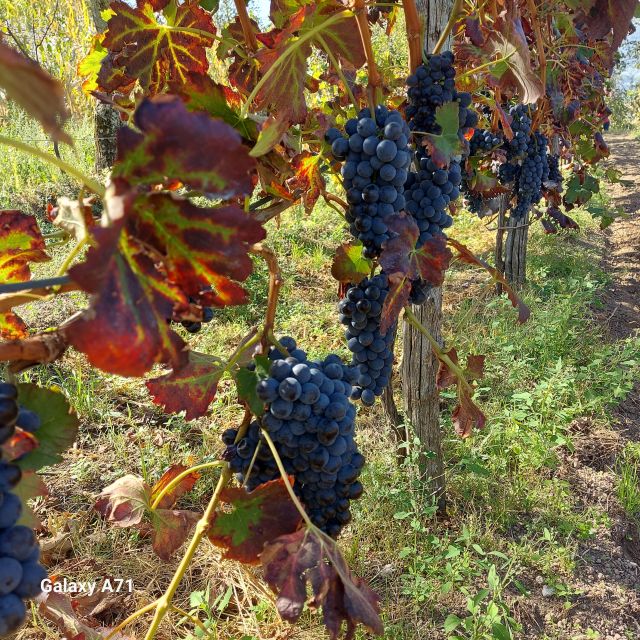
Ferdinando is the named professional Neapolitan cook leading the experience. The class depends heavily on his approach, since you are learning by doing rather than following a printed recipe alone.
He is described as lively, funny, patient, and encouraging. That matters in a group class, where some people may be kneading dough for the first time and others may already know their way around a kitchen. A relaxed teacher helps keep the activity from turning into a contest over who makes the neatest pasta.
The language of instruction is English and Italian. If your English is limited, the step-by-step format and physical demonstrations should still help, though the provider only lists those two languages. The warm family setting also makes this feel less formal than a professional culinary school.
Booking value, timing, and flexibility
The standard duration is three hours, with starting times depending on availability. Check the schedule carefully against buses, ferries, and any other plans. A late arrival could mean missing the opening steps, especially the tiramisù preparation.
The booking terms allow free cancellation up to 24 hours before the activity for a full refund. You can also reserve and pay later, which is useful when your Amalfi plans depend on weather, transport, or changing ferry times.
At 4.9 out of 5 from 50 ratings, the experience has a strong record. More important than the number is the consistency of the praise around the same features: the friendly teaching, fresh farm ingredients, plentiful food, wine, and the view. Those are the parts most likely to shape your own experience.
Should you book this Amalfi Coast cooking class?
Book it if you want to make your own meal, learn three recognizable Italian dishes, and spend time in a family-run farm setting above the coast. At $71, the included meal, drinks, farmhouse visit, and instruction make good value, especially compared with paying separately for a meal and an organized activity.
Think twice if you need gluten-free or lactose-free food, dislike group cooking, or have no time to solve the journey to Pianillo. The unclear building signage is a small but real nuisance, and the absence of hotel pickup means you must plan the approach yourself.
For most food-loving visitors staying near Amalfi, this is a worthwhile half-day choice. Check the bus or driving route, request the vegetarian option in advance if needed, and arrive ready to work with your hands. The reward is not just a plate of pasta. It is the ability to make part of the Amalfi meal again at home.
FAQ
Where does the cooking class take place?
The class takes place in Pianillo, in the Campania region on the Amalfi Coast, at an organic farm and farmhouse.
How long does the experience last?
The cooking class lasts three hours. Starting times vary, so check availability when booking.
What dishes will I prepare?
You will prepare tiramisù, mozzarella, and fresh tagliatelle, also described as fettuccine in the activity title.
Is a meal included?
Yes. Lunch or dinner is included, depending on the class time, and you eat the food prepared during the experience.
Are wine and limoncello included?
Yes. Local wine and a limoncello tasting are included.
Who teaches the class?
Ferdinando, a professional Neapolitan cook, leads the class. Instruction is available in English and Italian.
Is a vegetarian option available?
Yes. You must request the vegetarian option when booking.
Can the class accommodate gluten or lactose intolerance?
No. The activity information says other alternative dietary requirements, including gluten or lactose intolerance, cannot be catered for.
Is transportation from my hotel included?
No. Hotel pickup and drop-off are not included. Free parking is available at the venue.
Can children attend the class?
Participants must be over seven years old, and everyone who enters the venue must pay for the class, even if they are not taking part in the cooking.
More Cheese Making Classes in Italy
- Cooking class with Pasta, mozzarella and Tiramisu with wine
★ 5.0 · 549 reviews - Sorrento: Farm Tour with Cheese Tasting & Pizza Making Class
★ 5.0 · 503 reviews - Amalfi: Make Fresh Pasta, Mozzarella & Tiramisù with wine
★ 5.0 · 503 reviews - Amalfi: Prepare fresh pasta, mozzarella and tiramisu
★ 5.0 · 315 reviews
Just added around Italy
- Volterra: Fresh Pasta Cooking Class at a Tuscan Farmhouse★ 5.0 · 33 reviews
- Verona: Tortellini Cooking Class and Lunch with Mamma Ivana★ 5.0 · 20 reviews
- Vicenza: Pasta & Tiramisu Cooking Class at a Local’s Home★ 5.0 · 5 reviews
- Verona: My Granny’s secrets making gnocchi★ 5.0 · 7 reviews
- Verona: Prosecco and Pasta Making Class at a Local’s Home★ 5.0 · 10 reviews
- Verona: Pasta Cooking Class with Wine Tasting★ 5.0 · 4 reviews
- Verona: Pasta & Tiramisu Cooking Class at a Local’s Home★ 5.0 · 16 reviews
- Valnerina/Pasta cooking class in a 12th century location★ 4.8 · 9 reviews
Amalfi Pasta Classes, compared.
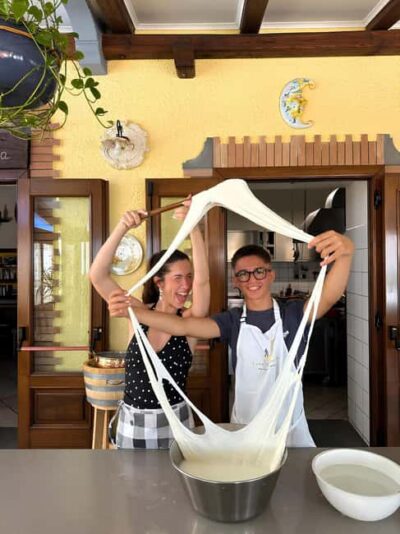
Make Fresh Pasta, Mozzarella, & Tiramisù with Wine
Read our review →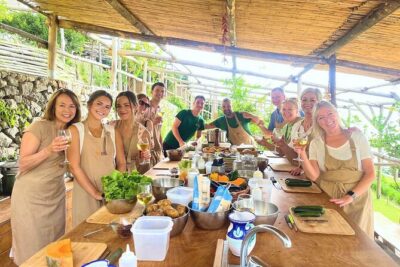
Hands-On Pizza Making Class & Farmhouse Tour with Sea Views
Read our review →
Learn how to make pasta, mozzarella and tiramisù!
Read our review →
Cooking class: Pasta & Tiramisù with lunch in Amalfi Coast!
Read our review →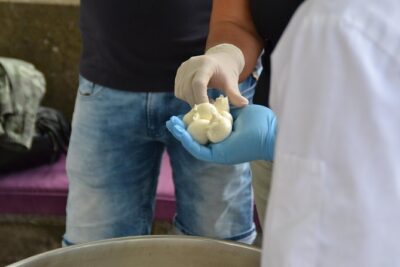
Tagliatelle, Mozzarella & Tiramisù Cooking Workshop
Read our review →Browse the lists this tour appears in