
REVIEW · SARDINIA
Olbia: pasta workshop with tasting
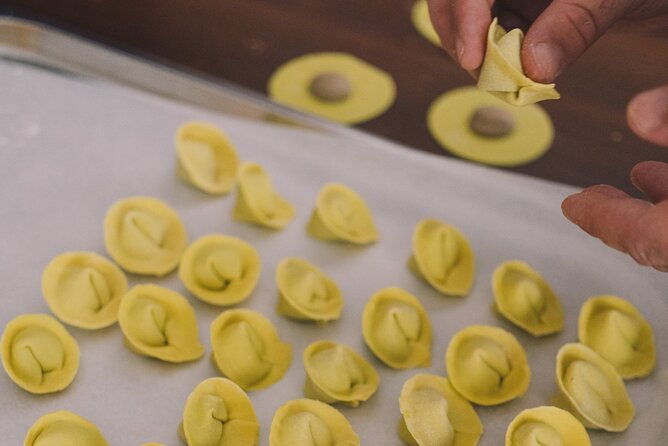
The best part of this Olbia experience is that you do not just eat Sardinian pasta, you make it with your own hands. Over about four hours, you learn the basics behind malloreddus, ravioli, gnocchi, and culurgiones, then sit down to taste the results in a meal built around local ingredients.
I like two things here. First, each pasta shape comes with its own story and method, so the class connects food with Sardinian tradition. Second, the mood sounds pleasantly easygoing. Isabella is described as a friendly host, and the experience works well for a relaxed afternoon with family or friends. The main consideration is price: at $126.89 per person, this is not a quick cooking demonstration. You are paying for a half-day activity with food, instruction, and a hosted meal.
Key points at a glance
- Four hours of hands-on cooking: You prepare several traditional Sardinian pasta types rather than simply watching a chef.
- Malloreddus and culurgiones: Learn about striped semolina shells and Ogliastra’s potato, pecorino, and mint-filled specialty.
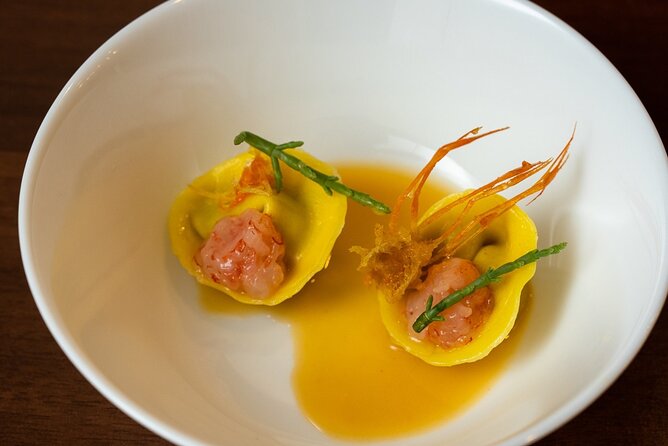
- A meal made from your work: The pasta you prepare is served during lunch or dinner with traditional dishes given a modern touch.
- English-language experience: The workshop is offered in English, useful if you want clear guidance while working with the dough.
- Small maximum group: No more than 15 people can take part, giving the class a more personal scale than a large food demonstration.
- Simple Olbia meeting point: Begin and finish at Via Dettori, 6, with a 4:00 pm start.
Making Sardinian pasta in Olbia
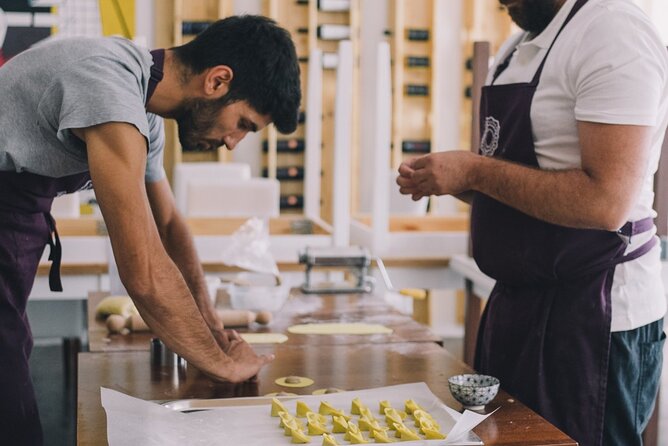
This class gives you a practical way to meet Sardinia through its food. Pasta is not treated as a generic cooking subject here. You work with shapes tied to different parts of the island, including culurgiones from Ogliastra in central eastern Sardinia.
That regional link matters. Sardinia has many pasta traditions, and the shapes are not just decoration. The dough, filling, folding, and cooking method all tell you something about how a dish developed. You will hear the stories and curiosities behind the recipes while learning the techniques needed to make them.
The activity takes place in Olbia, in the north-eastern part of Sardinia. You meet at Via Dettori, 6, at 4:00 pm, then return to the same point when the session ends. Since transportation is not part of the stated experience, plan your own route to the meeting point. The location is near public transportation, which makes the start easier to reach if you are staying in Olbia without a car.
The four-hour length is worth noting. This is not the kind of activity you squeeze between a quick coffee and an evening stroll. The start time lets you spend the earlier part of the day sightseeing, then turn the class into an afternoon and evening meal. That timing can work especially well on a day when you want a slower pace.
More Food and Drink Tours in Italy:
- Bologna Food & Market Tour with 6 Tastings, Pasta, Wines & More
★ 5.0 · 1,328 reviews - Pasta Making & Wine Tasting with Dinner in Frascati from Rome
★ 5.0 · 1,326 reviews - Rome: Pasta Making with Wine Tasting and Dinner in Frascati
★ 4.9 · 979 reviews
From semolina dough to malloreddus
One of the featured dishes is malloreddus, also called gnocchetti. These are small, thin, striped shells made with semolina flour and water. Their ridges help hold sauce, but they also give you a very recognizable piece of Sardinian pasta to shape by hand.
The simplicity of the ingredients is part of the lesson. With just semolina flour and water, the focus falls on texture and technique rather than a long ingredient list. You will get tips on handling the dough and shaping the pasta, then see how a few basic materials become one of the island’s familiar dishes.
For you, the value is practical. The class is designed to offer advice you can take into your own kitchen. You may not reproduce every part of the meal at home, but the basic approach to dough and shaping is more useful than a demonstration where you never touch the ingredients.
Malloreddus is also a good starting point because its shape is distinct but not described as a filled pasta. You can concentrate on consistency and form before moving to more detailed work. The workshop then introduces other traditional varieties, including ravioli and gnocchi.
Folding culurgiones from Ogliastra
The most distinctive pasta on the menu is culurgiones, a specialty of Ogliastra. These are usually filled with potatoes, pecorino cheese, and mint. The filling gives the pasta a different character from the semolina-based malloreddus, and the folding technique adds another layer of handwork.
Culurgiones are valuable to learn because they carry a strong regional identity. You are not simply making stuffed pasta in a general Italian style. You are working with a Sardinian specialty tied to a particular area and a specific combination of ingredients.
The potato and pecorino filling should appeal if you like savory, comforting food, while the mint adds a fresher note. The ingredients also give you a clear sense of how the dish balances richness and aroma. The class presents the recipe along with its curiosities, so you get context as well as instruction.
Keep your expectations sensible. The information provided does not promise a detailed recipe booklet, a market visit, or a lesson in every Sardinian pasta style. What you do get is a focused workshop built around several well-known forms, with culurgiones as the most regional centerpiece.
A tasting that uses what you make
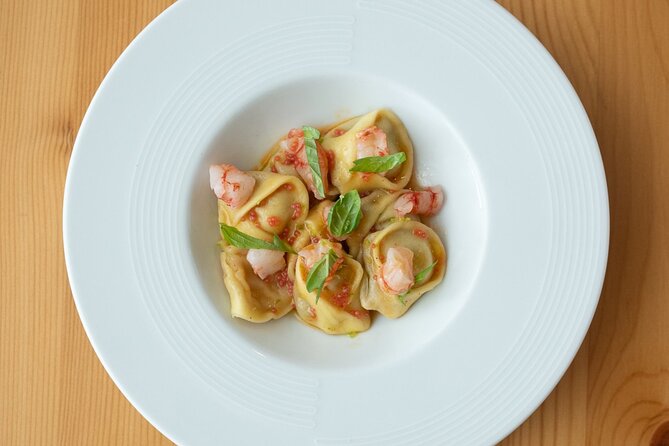
After the cooking, you taste the products you prepared during a lunch or dinner. The meal includes traditional dishes presented with a modern approach and made with fresh, local products.
That transition from worktable to meal is one of the strongest reasons to consider the experience. You are not shaping sample pieces that disappear into a kitchen. The food becomes part of the meal you sit down to enjoy. It gives the workshop a clear payoff and makes the class feel like a social food experience, not only a lesson.
The sample menu lists malloreddus and culurgiones as main courses. Malloreddus brings the striped shell shape and semolina dough, while culurgiones offers the filled pasta with potatoes, pecorino, and mint. The exact meal may include other traditional dishes, but these are the named highlights to expect.
The modern presentation is also worth keeping in mind. If you want a strictly old-fashioned meal, this may not be quite that. The cooking is rooted in Sardinian tradition, but the food is described as traditional dishes revisited in a modern way. That can be a plus if you want local flavors without a heavy or formal approach.
A few more classes around Italy worth a look
- Florence: Pasta Cooking Class with Unlimited Wine
★ 4.9 · 10,285 reviews - 3 in 1 Cooking Class near Navona: Fettuccine, Ravioli & Tiramisu
★ 5.0 · 7,376 reviews - Florence Pizza or Pasta Class with Gelato Making at a Tuscan Farm
★ 5.0 · 6,801 reviews - Florence: Pasta & Tiramisu Cooking Class with Unlimited Wine
★ 4.9 · 6,708 reviews
Why the four-hour format matters
Four hours gives the workshop room to breathe. You can learn more than one pasta style, hear the stories behind the shapes, and eat afterward without rushing through every step.
That length also makes the activity a better match for people who enjoy participation. If you would rather receive a polished meal with no kitchen work, this is probably too long and too hands-on. If you like learning by doing, the time allows you to make mistakes, get tips, and try again.
The maximum group size is 15 people. That is not a private lesson, but it is small enough to avoid the scale of a large cooking show. You should have a reasonable chance to follow the instructions and take part directly, though the amount of individual attention can vary within any group.
English is offered, which removes one common worry for an international visitor. You can ask questions and follow explanations about the dough, pasta shapes, and regional food traditions in English. The stated information does not list other languages, so English is the safe choice when planning.
The host and the mood
The experience has a warm social side. A guest described it as a fun afternoon that mixed learning and relaxing, and specifically praised Isabella as a friendly host. That is useful context because cooking classes can range from formal instruction to informal shared meals.
Here, the balance appears to favor a relaxed class with enough structure to teach you something. You still have a clear program, but the atmosphere is not presented as stern or technical. That makes it a good choice for a girls’ trip, a family outing, or a day with friends when you want an activity that gives everyone something to do.
The host matters more than many people expect. Pasta making involves small adjustments, and a calm guide can make the process much easier. Helpful tips about dough texture or shaping can be the difference between enjoying the work and feeling lost at the table.
Do not book this expecting a silent, chef-led performance. The point is to put your hands in the dough. You will get the most from it if you are willing to participate, ask questions, and accept that handmade pasta will not look factory-perfect.
Is $126.89 good value?
At $126.89 per person, this is a substantial purchase. The right comparison is not only the cost of a plate of pasta in Olbia. You are also paying for roughly four hours of hosted activity, instruction in several pasta forms, the use of ingredients, and a meal that includes what you prepare.
I think the value is strongest if you enjoy food classes and want an activity with a clear local connection. The pasta is not an add-on to a sightseeing tour. It is the central experience, and you spend enough time on it to make the price more understandable.
The value is weaker if you are mainly looking for dinner. You can eat pasta for much less in Sardinia, and this price will not make sense if you have no interest in cooking. The workshop also does not list transport, so you should account for your own way to and from Via Dettori, 6.
The small maximum group and English instruction add practical value. So does the chance to eat the food you make rather than simply take part in a short sample activity. Still, the price is best justified by your interest in the process, not by the meal alone.
Who should book this Olbia workshop?
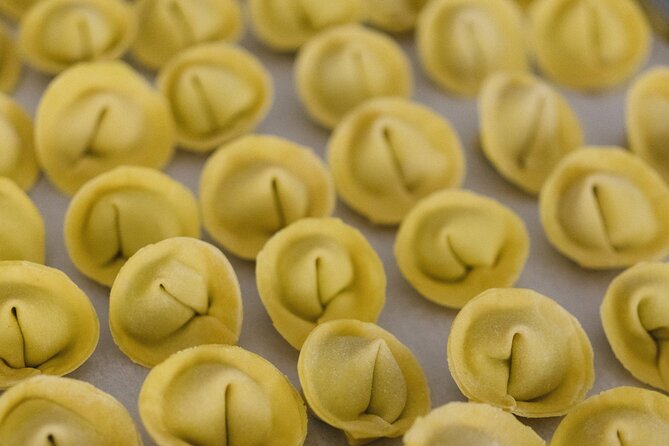
I would recommend this for:
- Food-focused visitors: You want to understand Sardinian dishes by making them, not only ordering them.
- Families and friends: The hands-on format gives a group a shared task and a meal at the end.
- Pasta fans: You want to compare malloreddus, ravioli, gnocchi, and culurgiones in one session.
- Slow-paced afternoon planners: The 4:00 pm start leaves the morning and early afternoon free.
- Visitors staying near Olbia: The central meeting point and nearby public transportation are useful if you are not driving.
I would think twice if you dislike group activities, do not want to handle food, or are seeking a short and inexpensive tasting. The class requires participation, and the price reflects more than a restaurant meal.
Cancellation is free if you cancel at least 24 hours before the 4:00 pm start time. Changes or cancellations inside that window are not refunded. The activity also depends on good weather and a minimum number of participants. If the operator cancels for either reason, you are offered another date or experience, or a full refund.
Should you book it?
Book this workshop if you want a hands-on Sardinian food experience with enough time to learn, eat, and enjoy the social side of cooking. The culurgiones lesson gives it a strong regional focus, while malloreddus makes the menu approachable.
Skip it if you only want a meal or if $126.89 feels too high for an activity centered on pasta. For everyone else, the combination of an English-language class, a maximum of 15 people, local ingredients, and a meal made from your own work gives the experience a solid case. Isabella’s friendly hosting style is another reason it may suit a relaxed group afternoon in Olbia.
FAQ
Where does the pasta workshop begin?
It begins at Via Dettori, 6, 07026 Olbia, in Sardinia, Italy.
What time does the experience start?
The workshop starts at 4:00 pm.
How long does the experience last?
It lasts approximately four hours.
What types of pasta can you learn to make?
The experience covers traditional Sardinian pasta such as gnocchi, ravioli, malloreddus, and culurgiones.
What are malloreddus?
Malloreddus, also called gnocchetti, are thin striped shell-shaped pasta made from semolina flour and water.
What are culurgiones filled with?
Culurgiones are usually filled with potatoes, pecorino cheese, and mint. They are a specialty of Ogliastra in central eastern Sardinia.
Is the meal included in the activity?
Yes. After preparing the pasta, you taste it during a lunch or dinner featuring traditional dishes presented in a modern style with fresh, local products.
Just added around Italy
- Volterra: Fresh Pasta Cooking Class at a Tuscan Farmhouse★ 5.0 · 33 reviews
- Verona: Tortellini Cooking Class and Lunch with Mamma Ivana★ 5.0 · 20 reviews
- Vicenza: Pasta & Tiramisu Cooking Class at a Local’s Home★ 5.0 · 5 reviews
- Verona: My Granny’s secrets making gnocchi★ 5.0 · 7 reviews
- Verona: Prosecco and Pasta Making Class at a Local’s Home★ 5.0 · 10 reviews
- Verona: Pasta Cooking Class with Wine Tasting★ 5.0 · 4 reviews
- Verona: Pasta & Tiramisu Cooking Class at a Local’s Home★ 5.0 · 16 reviews
- Venice: Pasta Carbonara Cooking Class with Wine★ 5.0 · 3 reviews
Sardinia Pasta Classes, compared.
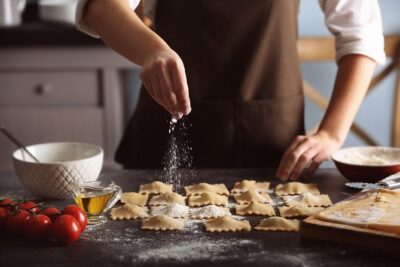
Alghero Home Cooking Pasta Class at a Farmhouse with Wine
Read our review →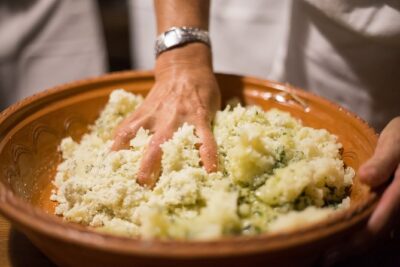
Cooking Class in a Secret Courtyard – Culurgiones (Sardinian Pasta)
Read our review →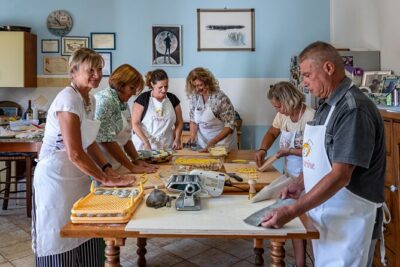
Small group Pasta and Tiramisu at Local Home in Olbia
Read our review →
Cagliari Cooking Class: Sardinian Ravioli, Wine & Local Flavors
Read our review →
Cagliari: Pasta art Cooking Class with 3-Course Dinner
Read our review →
Blue Experience – Cooking Lesson ” Make Pasta , Live Longer “
Read our review →Browse the lists this tour appears in