
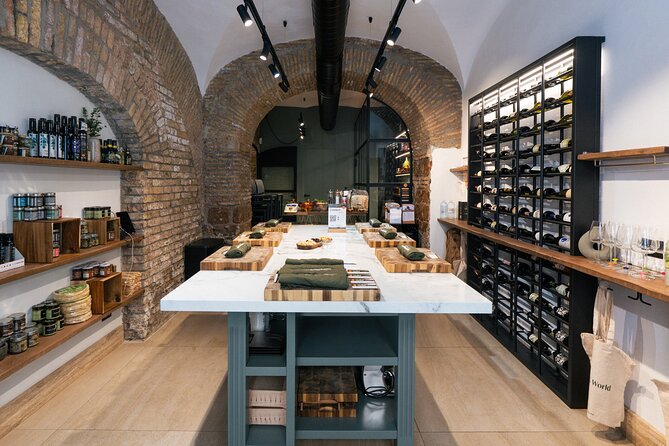
REVIEW · ROME
Pasta and Tiramisu Making Class with Fine Italian Wine in Rome
Making ravioli by hand, then eating it with a glass of Italian wine, is a fine way to spend three hours in Rome. I like the small group of up to 10, which gives the chef room to show each step, and I like that you get recipes for both pasta and tiramisu instead of leaving with only a full stomach. The main drawback is that this is not suitable for people with celiac disease, and the listed price of $119.47 per person is a serious bite for a cooking class.
The class is taught in English and begins at Piazza Mattei, a useful central meeting point. Names connected with the class include Alessandro, Marco, and Max, with Alessandro especially praised for his clear instruction and lively manner. Expect a friendly, hands-on session rather than a quiet demonstration, though exact dishes and teaching staff can vary.
Key points at a glance
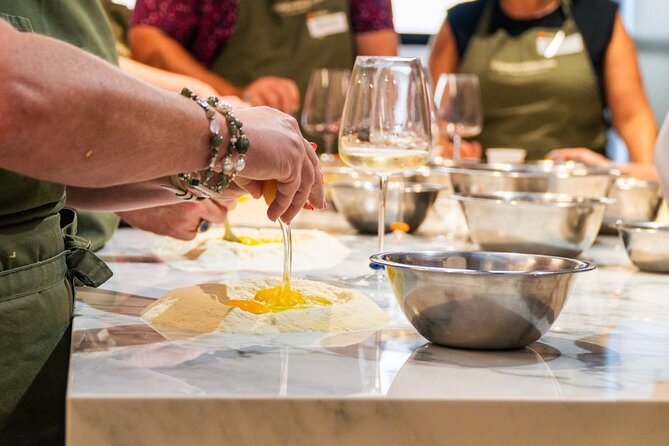
- Two handmade pasta styles: Learn the dough, rolling, filling, shaping, and folding rather than simply watching a chef work.
- Ravioli is the practical centerpiece: You make the filling and form the pasta yourself, with guidance along the way.
- Tiramisu is made layer by layer: The dessert lesson focuses on getting the creamy layers right.
- Italian wine is included: The wine is selected to suit the food you prepare.
- The group is capped at 10: That is small enough for questions and individual help.
- Recipes go home with you: You can try to repeat the meal after returning home.
What the three-hour Rome cooking class is really like
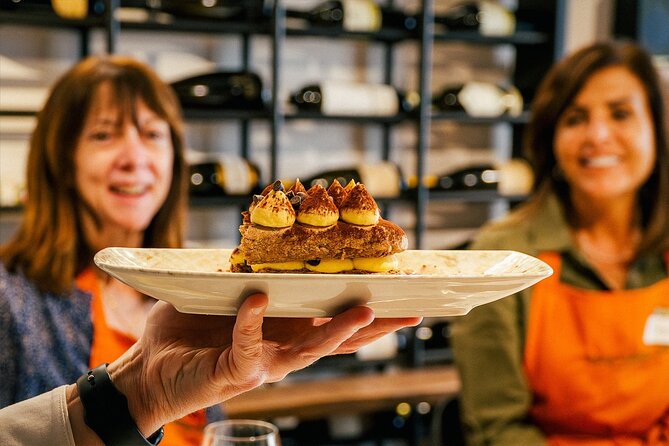
This is a food class first, not a sightseeing tour with a token recipe attached. For about three hours, you work through fresh pasta and tiramisu with a local chef, then sit down to taste what you have made.
That format matters in Rome. You can see the Colosseum, toss a coin at the Trevi Fountain, and eat carbonara in a crowded dining room. A cooking class gives you a different connection to the city. You handle the dough, make choices with your hands, and learn the simple habits that turn flour, filling, and cream into a proper meal.
The class is offered in English, so you do not need Italian cooking vocabulary to take part. The small size also helps. With no more than 10 people, the chef can watch the work at the table and step in when your dough needs another turn or your ravioli fold needs a little help.
More Pasta Classes with Wine in Rome
- Rome: Pasta & Tiramisu Class with Fine Wine by the Vatican
★ 4.9 · 4,852 reviews - Rome: Pasta Making Class with Wine, Limoncello, and Dessert
★ 4.9 · 3,177 reviews - Rome Cooking Class: Make Pasta and 3 Spritz Cocktails
★ 5.0 · 2,937 reviews
Meeting at Piazza Mattei in central Rome
The meeting point is Piazza Mattei, 5, 00186 Roma RM, Italy. The class begins and ends at this meeting point, so you will not need to arrange transport between a cooking studio and a separate restaurant.
The experience is described as being near the Colosseum, while the listed meeting address is at Piazza Mattei. Check your booking confirmation carefully for the exact arrival instructions and allow time to find the address. Central Rome can make short distances feel longer when you are walking over uneven streets, stopping for photographs, or following a map through busy lanes.
Bring a mobile ticket and arrive ready to work. The confirmation is supplied at booking, and the activity is offered in English. Since cooking classes depend on starting together, arriving late could mean missing the opening demonstration.
Starting with fresh pasta dough
The first major lesson is the dough. The chef demonstrates how homemade pasta comes together and explains the steps as you follow along. You will learn about preparing the dough from scratch, then work on rolling it to the right thickness.
This is one of the most useful parts of the class because pasta dough looks simple but depends on feel. Too thick, and the finished pasta can seem heavy. Too thin, and filled pasta becomes harder to handle. A demonstration gives you a clear model, while making your own dough helps you understand the difference.
You should expect flour on your hands and a little trial and error. That is part of the point. The class is designed for participation, not for producing identical pieces with machine-like precision. The chef guides you through the process, so you can concentrate on learning rather than worrying about making perfect pasta on your first try.
The recipes provided afterward add value here. You are not expected to remember the proportions and method from a single lesson. At home, you can use the recipe as a starting point and repeat the process when you have more time.
Shaping ravioli from filling to fold
The pasta lesson continues with ravioli. You learn how to prepare the filling, place it properly, shape the pasta, and fold it closed.
Ravioli is a good choice for a class because it combines several skills in one dish. You need enough filling to taste it, but not so much that the pasta bursts. You need to press out excess air, seal the edges, and make each piece hold together. The chef’s help is most useful at this stage, especially if you have never made filled pasta.
I like that the class does not stop at rolling sheets of dough. Making ravioli gives you a finished dish with a clear beginning and end. You can see how the dough becomes a meal, not just an ingredient.
The two types of fresh handmade pasta are included in the class, although the supplied details do not name the second style. That means you should expect two pasta preparations but should not book this hoping for a particular shape beyond ravioli. If you have a favorite pasta, ask the provider before booking.
More Tiramisu Classes in Rome
- 3 in 1 Cooking Class near Navona: Fettuccine, Ravioli & Tiramisu
★ 5.0 · 7,376 reviews - Rome: 3-in-1 Fettuccine, Ravioli, and Tiramisu Cooking Class
★ 4.9 · 2,704 reviews - Learn to Make Pasta & Tiramisu with Wine and Limoncello Included
★ 5.0 · 2,345 reviews - Become a Masterchef in Rome: Pasta, Ravioli and Tiramisù Class
★ 5.0 · 2,156 reviews
Building tiramisu one layer at a time
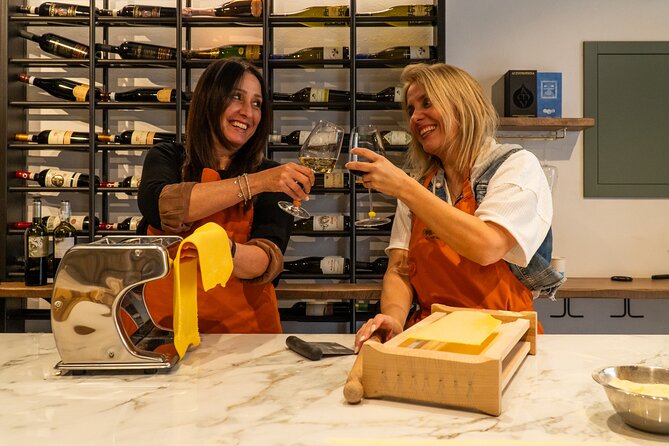
After the pasta work, you make tiramisu. The chef focuses on the creamy layers and the order needed to build the dessert properly.
Tiramisu is familiar to most people, but a class can show you why texture matters. The dessert should not be a loose pile of sweet ingredients. Each layer needs the right balance, and the finished result depends on how the components are assembled.
You make the tiramisu yourself rather than receiving a prepared portion with a short explanation. That makes this lesson especially useful for home cooks. The recipe lets you repeat the dessert later, perhaps when you want an Italian ending for a dinner with friends.
The class lists tiramisu as a master class, but the available information does not specify every ingredient or any alcohol used in the dessert. If you have a dietary concern, contact the provider before the session rather than guessing what the recipe contains.
Wine and the meal you make yourself
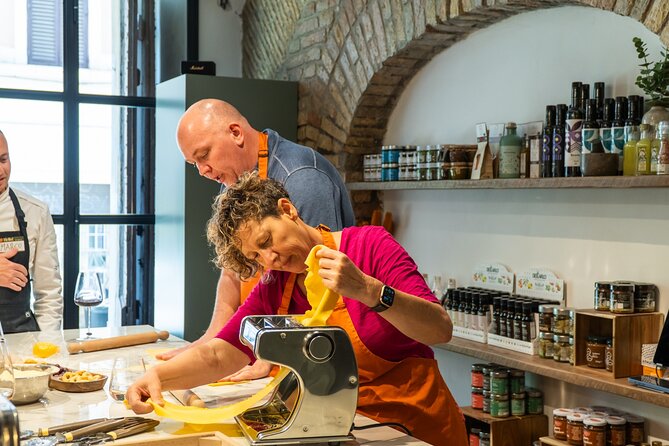
Italian wine is part of the experience, and the selection is intended to complement the food. This adds to the social side of the class and gives you something to sip while the cooking moves along.
The wine is not presented as a separate tasting lesson, so do not book this expecting a detailed study of Italian wine regions or vintages. Its role is to accompany the pasta and tiramisu and make the meal feel more complete.
The best part of the meal is that you helped create it. Food always tastes a little different when you have rolled the dough, pinched the ravioli, and built the dessert yourself. The class gives you a chance to eat fresh pasta in a more personal setting than a standard restaurant meal.
Past participants have singled out the food and wine as especially enjoyable. One account describes the meal as among the best of that Rome visit, while another praises the combination of cooking, food, and wine. Those comments fit the structure of the class: the meal is not an afterthought, but the payoff for the work at the table.
A small group with a social feel
The maximum group size is 10. That number is large enough to create a social atmosphere but small enough to keep the class from feeling like a production line.
A previous group of eight found the setting comfortable and intimate. That detail gives you a useful picture of the scale, though your own group may be smaller or may reach the full limit.
The guides named in the supplied accounts include Alessandro, Marco, and Max. Alessandro is described as charismatic, clear, and passionate about Italian food. Marco and Max are also praised for keeping the class fun. Because teaching staff can change, treat those names as useful context rather than a guarantee of who will lead your particular session.
A sociable class suits couples, friends, solo visitors who enjoy meeting people, and families with older children who can follow kitchen instructions. It may suit you less if you want a private lesson or if you prefer to observe without handling food.
What the $119.47 price includes
At $119.47 per person, this is not Rome’s cheapest meal. You are paying for about three hours of instruction, ingredients, two types of handmade pasta, tiramisu, wine, and recipes.
The price makes the most sense if you value the activity as part of your sightseeing, not simply as a way to get lunch or dinner. A restaurant meal might cost less, but it will not teach you how to make the pasta or give you recipes to use later. A cheaper cooking class might also exist, but the value here comes from the small group and the full meal you prepare yourself.
You should also factor in the social setting. The class is designed as a shared experience, and the wine helps create a relaxed meal after the work is done. If you are comparing it with a private chef lesson, this option is likely better value, but it will not offer the same personal attention as one-on-one instruction.
Tips and gratuities are not included. Budget for that separately if you choose to tip the chef.
Dietary restrictions and celiac concerns
The experience can accommodate dietary restrictions, but you need to contact the provider with the details. The class is not recommended for people with celiac disease.
That warning is important because flour is central to the activity, and a pasta-making environment may not be appropriate for someone who needs strict gluten avoidance. Do not assume that a general dietary request is the same as a celiac-safe arrangement.
If you have another restriction, ask before booking and explain exactly what you need. The provider can tell you what changes are possible. The available information does not list specific substitutes, so you should get a clear answer before relying on the class for your meal.
Who will get the most from this experience
I would choose this class if you want a practical food memory from Rome and enjoy taking part rather than simply being served. It works particularly well as a mid-trip activity, when you have already sampled Roman food and want to understand more about how a few classic dishes are made.
It is also a good choice for a small group of friends or a couple looking for an easy shared activity. The three-hour length gives you enough time to cook and eat without taking over an entire day of sightseeing.
Families should consider the age and patience of their children. The listing does not give a minimum age, so ask the provider if that matters for your group. Children who enjoy hands-on kitchen work may have a good time, while very young children may find the dough work and waiting difficult.
I would skip it if you dislike group activities, do not drink wine, or need a strictly gluten-free kitchen. Wine is included as part of the meal, and celiac disease is specifically listed as a concern.
Booking, timing, and cancellation
The class lasts approximately three hours and is booked, on average, 35 days ahead. That is a useful signal for planning. If this is high on your Rome list, reserve before your trip rather than waiting for an open afternoon.
You receive confirmation when booking, and the activity uses a mobile ticket. The class ends back at the meeting point, which makes it easier to plan the rest of your day in central Rome.
Free cancellation is available if you cancel at least 24 hours before the local start time. Cancellations inside 24 hours are not refunded, and changes during that period are not accepted. If your Rome schedule is uncertain, leave a little breathing room around the booking.
Should you book the pasta and tiramisu class?
Book it if you want to cook, eat, and learn in the same sitting. The strongest reasons are the small group, the two pasta preparations, the hands-on ravioli work, the included wine, and the recipes you can use at home.
The price is high enough that you should want the lesson, not just the food. But for a three-hour English-language activity near Rome’s center, with a meal and dessert included, it can be good value for visitors who enjoy food and shared experiences.
Skip it if you need a celiac-safe setting, want a private class, or are only looking for an inexpensive meal. For everyone else, this is a practical way to spend part of a Rome day, with something more lasting than another restaurant receipt.
FAQ
Where does the pasta and tiramisu class meet?
The class meets at Piazza Mattei, 5, 00186 Roma RM, Italy. The activity ends back at the same meeting point.
How long does the class last?
The experience lasts approximately three hours.
Is the class offered in English?
Yes. The activity is offered in English.
How many people can join the class?
The group has a maximum of 10 travelers.
What food do I make?
You make two types of fresh handmade pasta, including ravioli, and prepare tiramisu. The class covers dough, fillings, shaping, folding, and dessert layers.
Is wine included?
Yes. Italian wine selected to complement the food is included in the experience.
Do I receive the recipes?
Yes. Recipes for the handmade pasta and tiramisu are included.
Is the class suitable for someone with celiac disease?
No. The experience is not recommended for people with celiac disease.
Can dietary restrictions be accommodated?
The provider can accommodate dietary restrictions, but you should contact them with your needs before the experience. The available information does not recommend the class for celiac disease.
What is the cancellation policy?
You can cancel for a full refund at least 24 hours before the local start time. Cancellations or changes made less than 24 hours before the start are not accepted and are not refunded.
More Wine Tastings in Rome
- Fettuccine & Tiramisù: Cooking Class with Wine & Limoncello
★ 4.9 · 2,103 reviews - Pasta Making & Wine Tasting with Dinner in Frascati from Rome
★ 5.0 · 1,326 reviews - Rome Pasta and Tiramisu Class: Ravioli, Fettuccine & Fine Wine 5*
★ 5.0 · 1,319 reviews - Rome Cooking Class: Make Pasta, Dine & Drink Wine With Local Chef
★ 5.0 · 1,263 reviews
Just added around Rome
- Rome: Pasta and tiramisu class with wine pairing at Come Na Vorta★ 5.0 · 30 reviews
- Spritz and Pasta! Spritz, Fettuccine & Tiramisù★ 5.0 · 2 reviews
- Rome: Vespa Tour with Photographer and Tiramisu treat★ 4.5 · 61 reviews
- Walking Tour & Pizza Making★ 4.0 · 2 reviews
- Trastevere Food Tour with Pasta-Making Class★ 5.0 · 5 reviews
- Rome: Private Vespa Tour and Professional Photoshoot★ 5.0 · 22 reviews
- Traditional Pasta Cooking Class with Tiramisu Small Group★ 5.0 · 7 reviews
- Tiramisu and Gelato Creation in Authentic Roman Dessert Workshop★ 4.5 · 3 reviews
Rome Pasta Classes, compared.
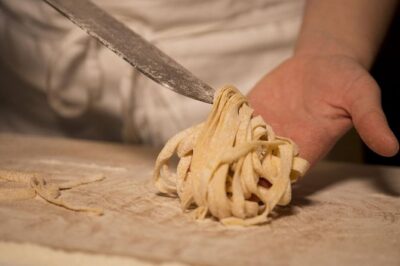
3 in 1 Cooking Class near Navona: Fettuccine, Ravioli & Tiramisu
Read our review →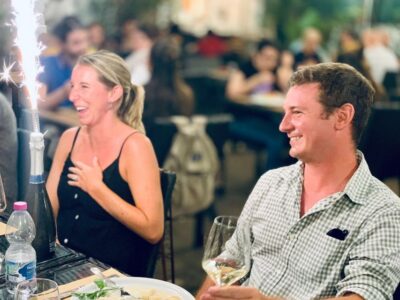
Pasta & Tiramisu Class with Fine Wine by the Vatican
Read our review →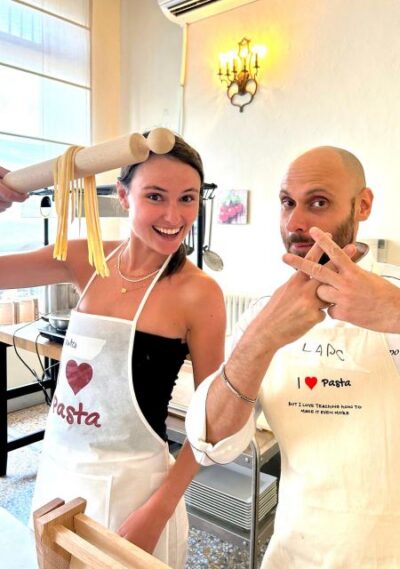
Pasta Making Class with Wine, Limoncello, and Dessert
Read our review →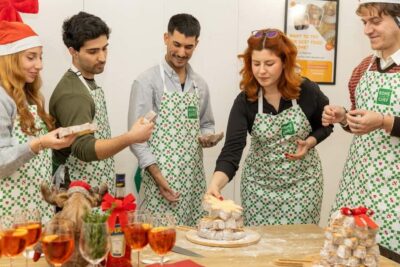
Rome Cooking Class: Make Pasta and 3 Spritz Cocktails
Read our review →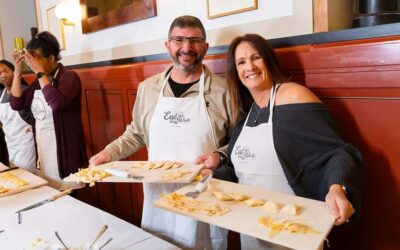
3-in-1 Fettuccine, Ravioli, and Tiramisu Cooking Class
Read our review →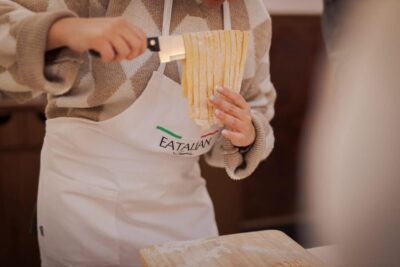
Fettuccine Pasta Cooking Class in Rome’s City Center
Read our review →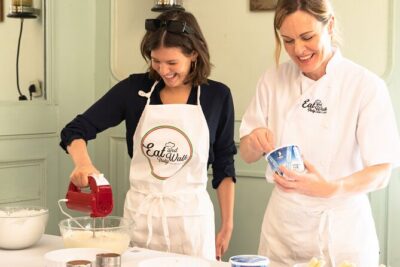
Learn to Make Pasta & Tiramisu with Wine and Limoncello Included
Read our review →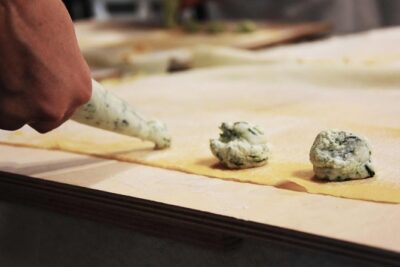
Become a Masterchef in Rome: Pasta, Ravioli and Tiramisù Class
Read our review →Browse the lists this tour appears in