
REVIEW · VERONA
Discover the old market and make fresh pasta
The best part of this four-hour experience is that it begins with a visit to Villafranca’s old market, not with a lesson in a sealed-off cooking studio. You choose ingredients with the chef, then carry that market visit into the kitchen by making pasta and tiramisu from scratch.
I like the link between shopping and cooking, and I like the small group limit of 10 people, which gives you a better chance to get hands-on help. The main caution is communication: one booking reported very late confirmation and poor help with arrangements, so check your messages closely before setting out.
Key points at a glance
- Wednesday is market day: Visit the full Villafranca market and choose produce for the class with the chef.
- You make several dishes: Learn hand-kneaded pasta, Tortellini Nodo d’amore, pappardelle or seasonal vegetable tortelli, plus tiramisu.
- The setting is part of the appeal: Cook in a traditional Venetian-style kitchen with a garden facing the Scaliger Castle.
- Wine is included in the experience: Taste your finished meal with well-known wines from the Verona area.
- The class stays small: No more than 10 participants, with instruction in Italian and English.
- Plan for four hours: This is a food activity with a market visit, cooking lesson, and sit-down meal, not a quick pasta demonstration.
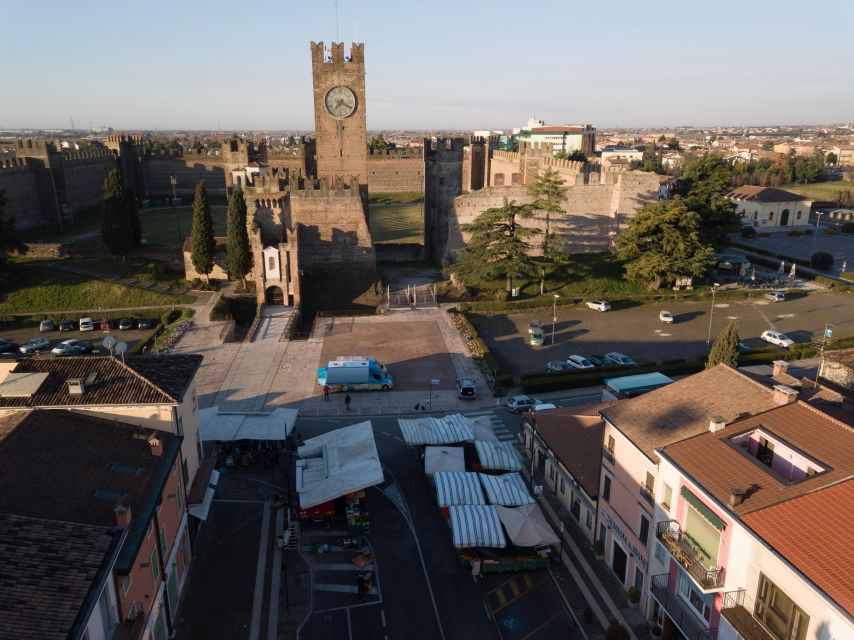
Starting at Villafranca’s Scaliger Castle
You meet the chef in front of the Scaliger Castle in Villafranca, at coordinates 45.3514404296875, 10.846451759338379. The host’s contact details are provided with your booking, so use them to confirm the exact meeting arrangements before the day.
Villafranca gives this experience a different feel from a class held in central Verona. You are not simply shown a bowl of flour and asked to copy a recipe. You begin in the town where the ingredients are bought, with the castle as your landmark and meeting point.
The castle matters less as a formal sightseeing stop than as a useful sense of place. You start beside a recognizable local building, then move into the town’s food life. If you are staying in Verona, allow enough time to reach Villafranca, since the experience does not begin in Verona’s historic center.
The precise meeting instructions deserve attention. One booking had no confirmation until about an hour before a morning start and found the operator unhelpful when plans needed adjusting. That appears to be a service concern rather than part of the cooking itself, but it is a good reason to keep your phone available and contact the host if details have not arrived.
More Fresh Pasta Workshops in Verona:
- Verona: Hands-on Fresh Pasta and Tiramisù Cooking Class
★ 4.9 · 295 reviews - Verona Arena: The ORIGINAL Fresh Pasta and Tiramisu Cooking Class with wine
★ 4.9 · 128 reviews - Verona: Authentic Pasta Making Class with a Local Family
★ 5.0 · 64 reviews
Shopping the Wednesday market
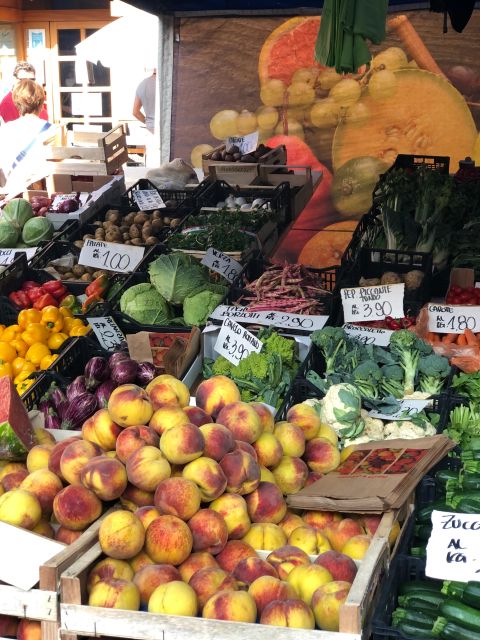
The market visit is the most distinctive part of the plan. On Wednesday, you walk among Villafranca’s market stalls and choose the products that will shape the cooking lesson. This gives you a practical look at local buying habits and lets you see ingredients before they become finished dishes.
The chef helps you select what to use. That matters because the lesson is not built around a fixed collection of ingredients chosen far away from the kitchen. Seasonal produce can guide the meal, especially for the vegetable-filled tortelli.
Market day is Wednesday, so that is the strongest date for the full version of the experience. If you book another day, you do not lose the ingredient-shopping element entirely. Instead, you choose products with the chef at selected local shops.
That alternative may be quieter and more focused, though it will not have the same market-stall setting. I would choose Wednesday if your schedule allows, especially if you enjoy food markets as much as cooking. On another day, the shop visits may suit you better if you prefer a direct look at individual products without a large market around you.
Do not expect a separate market tour packed with historical commentary. The useful point is the connection between purchase and preparation. You see the raw material, decide how it might be used, and then work with it in the kitchen.
Moving from the stalls to the kitchen
The cooking lesson takes place just a short distance from the market. You are welcomed into a typical Venetian-style kitchen with a garden and a view toward the castle. That combination gives the class a local home-cooking character rather than the feel of a large culinary school.
The setting also makes the four-hour length easier to understand. Time is used for the market, ingredient choices, preparation, and the meal itself. You are not spending four hours kneading one batch of dough.
The instruction is available in Italian and English. The chef’s role is practical: explaining cooking methods, showing how the ingredients can be used in different ways, and helping you improve the preparation. One particularly positive account praised the chef’s clear advice about using available ingredients in several ways, which is the kind of lesson that can remain useful after your holiday.
Still, this is a shared class. With up to 10 people, you should expect some group pacing rather than a private lesson built entirely around your own questions. The small limit is a plus, but it does not mean one-to-one teaching throughout.
Learning the old-fashioned pasta method
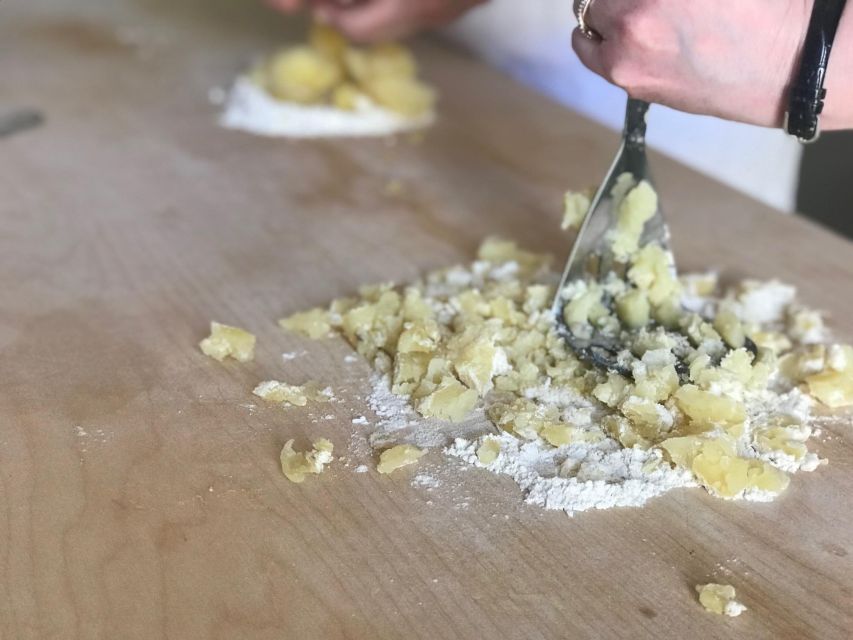
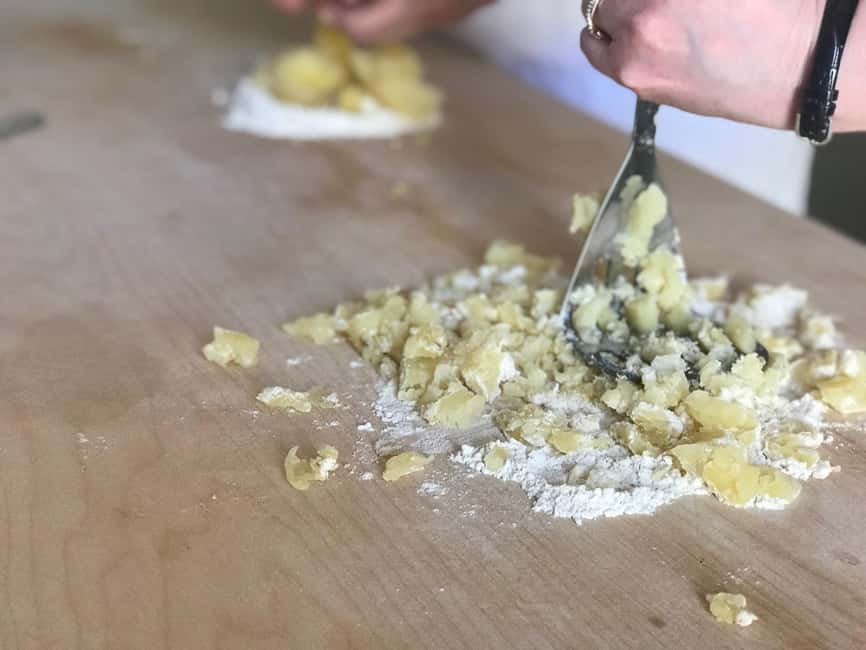
The core lesson uses only the basic pasta ingredients named in the experience: eggs and flour. You knead the dough by hand and learn the techniques used to make pasta in the style of Italian grandmothers.
That hand work is the real point. A machine can produce smooth dough quickly, but kneading by hand lets you feel how the mixture changes and learn when it is ready. You can take that skill home without needing special equipment.
The class includes the famous Tortellini Nodo d’amore, a local pasta associated with the Verona area. The name means knot of love, and the shape gives the lesson a clear regional identity. You do not just make generic ravioli and call it Italian cooking.
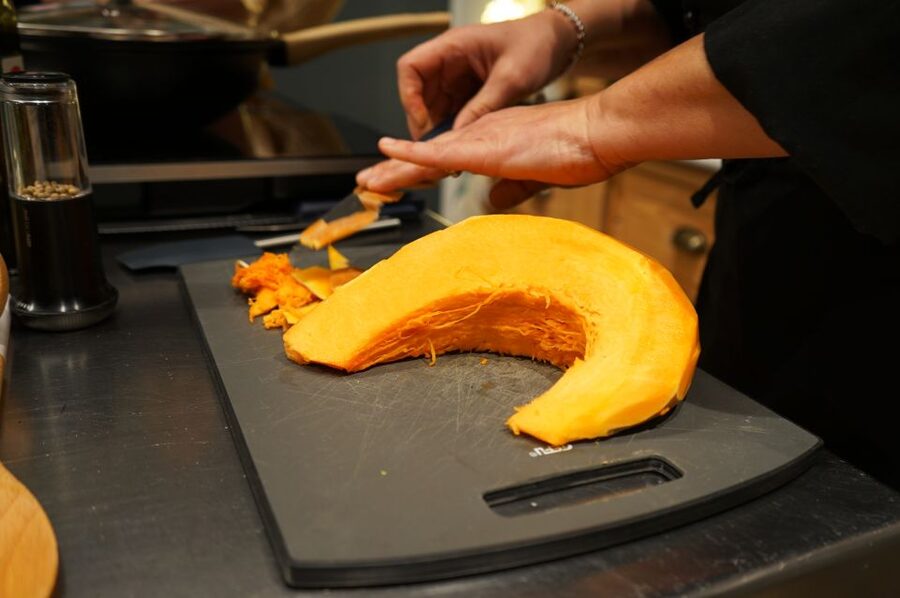
You may also prepare pappardelle or tortelli filled with seasonal vegetables from the market. The exact combination depends on what is available and what the chef selects. That makes the market visit matter: the filling is tied to the products chosen that day.
I like this flexible approach because it teaches a way of cooking rather than a single rigid menu. The drawback is that you cannot count on one exact pasta dish every time. If a particular shape or filling matters to you, ask the host what is planned for your date.
More Market and Cooking Classes in Verona:
- Bologna Food & Market Tour with 6 Tastings, Pasta, Wines & More
★ 5.0 · 1,328 reviews - Pasta and Tiramisu Cooking Class with optional Local Market Tour
★ 5.0 · 515 reviews - Rome: Pasta Cooking Class with Market Visit and Wine
★ 4.9 · 277 reviews - Kitchen of Mamma: Pasta Cooking Class with market visit in Rome
★ 5.0 · 140 reviews
Making tiramisu from the same kitchen
The dessert course is tiramisu, one of Italy’s best-known sweets. Adding it to the pasta work gives the lesson a better rhythm. You are not focused only on dough, and you finish with a dessert you can recreate at home.
The supplied details do not specify the exact tiramisu method or ingredients, so you should not expect a particular version such as a family recipe with a named variation. What is clear is that you prepare it yourself rather than simply receiving it after the meal.
Tiramisu also helps make this a useful choice for mixed groups. Someone who is less interested in shaping pasta still has a dessert task to enjoy, while the whole group shares the same final meal.
Eating what you made with Veronese wine
After the cooking, you sit down and eat the dishes prepared during the class. The meal is paired with local wines from the Verona area, turning the lesson into a relaxed food-and-wine experience.
This is where the activity earns value beyond a standard cooking demonstration. You learn a technique, make the food, and then taste the result at the same table. The wine pairing gives you a simple way to connect the dishes with the region’s food culture.
The information does not name the specific wines or state how many glasses are served. I would therefore treat the wine portion as a tasting included with the meal, not as a full winery tour or a formal sommelier class.
Alcohol is part of the experience, and alcohol or drugs are not allowed as general conduct rules. If you do not drink, confirm what nonalcoholic options are available before booking, since those choices are not described.
How the four hours are likely to feel
The schedule has three clear parts:
- Meeting the chef and shopping at the market or selected local shops
- Cooking pasta, tortelli, and tiramisu
- Eating together with Veronese wine
The total duration is four hours, but the experience should not feel like four hours of continuous instruction. The market walk and shared meal provide natural breaks. You will also spend time waiting for food preparation to move along, especially in a group.
That pacing is a benefit if you want a social activity. It is less suitable if you want a fast class followed by the rest of your sightseeing day. I would avoid placing a tight timed attraction immediately afterward.
The group limit of 10 is sensible for hand work. A larger class could leave you watching from the edge, while a private lesson would cost more if one were available. This format aims for a middle ground: personal enough to work with the ingredients, social enough to share the meal.
Value, booking, and the communication question
No price is provided here, so I cannot judge whether the activity is a bargain at its current rate. I would measure its value against what is included: a market or local-shop visit, a cooking lesson, several dishes, a shared meal, and local wine, all within four hours.
It is better value for you if you want an activity that combines food, local shopping, and social time. It is less compelling if you only want a short pasta lesson, since the market and meal are a major part of the experience.
The booking offers free cancellation up to 24 hours before the start for a full refund. You can also reserve and pay later, which is useful when your Verona plans are still changing. Those terms give you some flexibility, but they do not remove the need to confirm the meeting details.
The provider is Verona In Tour. The experience is offered in Italian and English, with the group limited to 10 participants. The host’s contact details are supplied, and I would use them early if you have questions about the meeting time, the menu, or wine alternatives.
Who should book this cooking experience
I would recommend it most strongly to:
- Couples or friends who want a shared food activity
- Families with older children who can take part in hand preparation
- Pasta lovers who want to learn by doing, not just watch
- Visitors staying around Verona who are happy to spend part of a day in Villafranca
- People who enjoy markets and want seasonal ingredients to shape the meal
- Anyone looking for a slower, social alternative to another sightseeing tour
It may not be the right pick if you dislike group meals, avoid alcohol, or need a highly reliable last-minute schedule. The activity is also less suited to someone seeking a serious professional cooking course, since the available details describe a friendly regional lesson rather than advanced training.
The strongest praise focuses on the chef’s patience, useful cooking advice, and willingness to explain how ingredients can work in different dishes. That suggests the class is at its best when you ask questions and take part fully. Do not sit back and wait for a show. Roll up your sleeves.
Should you book it?
Book this experience if you want to connect Villafranca’s food market with the meal on your plate. The hand-shaped Nodo d’amore tortellini, seasonal vegetable tortelli, tiramisu, and local wine make it more memorable than a basic pasta demonstration.
Choose Wednesday for the market version, and keep the four-hour timing open. If you need exact confirmation well ahead of time, contact the host rather than assuming the final details will arrive early. With that small planning step, this looks like a warm, practical introduction to Veronese cooking for a modest-sized group.
FAQ
Where does the cooking experience meet?
You meet the chef in front of the Scaliger Castle in Villafranca, Italy. The listed coordinates are 45.3514404296875, 10.846451759338379.
How long does the experience last?
The experience lasts four hours.
What languages does the instructor speak?
Instruction is available in Italian and English.
How many people can join the group?
The activity is limited to 10 participants.
When is Villafranca’s old market open for this experience?
Market day in Villafranca is Wednesday.
What happens if I book on a day other than Wednesday?
You choose the products with the chef at selected local shops instead of visiting the Wednesday market.
What food will I prepare?
You learn to make hand-kneaded fresh pasta, including Tortellini Nodo d’amore. You may also prepare pappardelle or tortelli filled with seasonal vegetables, as well as tiramisu.
Are local wines part of the experience?
Yes. You taste local Veronese wines with the food you prepare.
Can I cancel or pay later?
You can cancel up to 24 hours in advance for a full refund. The reserve-now, pay-later option lets you book without paying immediately.
More Shopping Tours in Verona
- MaMa Florence Guided Market Tour and 4 Course-Pasta Cooking Class
★ 5.0 · 15 reviews - Private Florence Market Tour and Pasta Making Class with Cinzia
★ 5.0 · 8 reviews - Trionfale Market Tour and Gnocchi Cooking Class with a Masterchef
★ 5.0 · 5 reviews - Pasta & Tiramisu Cooking Class + Italian Market Tour in Florence
★ 5.0 · 5 reviews
More Market Visits in Verona
- Farmers’ Market Shopping with Cooking Class and Pasta Making
★ 5.0 · 91 reviews - Rialto Market Tour with Hands on Cooking Class, Wine & Tiramisu
★ 4.5 · 66 reviews - Rome: Testaccio Food & Market Tour with Pasta & Wine
★ 5.0 · 38 reviews - Farmer’s Market and Pasta Making with Italian Wine
★ 5.0 · 15 reviews
Just added around Verona
- Verona: Tortellini Cooking Class and Lunch with Mamma Ivana★ 5.0 · 20 reviews
- Verona: My Granny’s secrets making gnocchi★ 5.0 · 7 reviews
- Verona: Prosecco and Pasta Making Class at a Local’s Home★ 5.0 · 10 reviews
- Verona: Pasta Cooking Class with Wine Tasting★ 5.0 · 4 reviews
- Verona: Pasta & Tiramisu Cooking Class at a Local’s Home★ 5.0 · 16 reviews
- Bardolino: Garda Lake Pasta Cooking Class at the Agritourism★ 5.0 · 32 reviews
- Prosecco and Pasta Making Class at Local’s Home in Verona★ 5.0 · 30 reviews
- Cesarine: Small group Pasta and Tiramisu class in Verona★ 5.0 · 8 reviews
Verona Pasta Classes, compared.
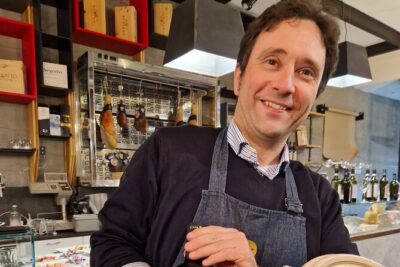
Pasta and Tiramisu Cooking Class With Free Flowing Wine
Read our review →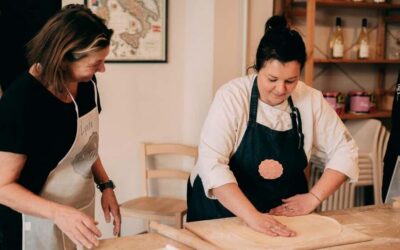
Hands-on Fresh Pasta and Tiramisù Cooking Class
Read our review →
Italian Cooking Class with Pasta, Risotto and Tiramisù
Read our review →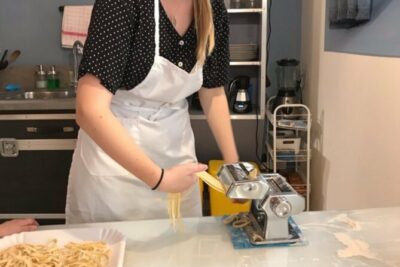
My Granny’s secrets: Making pasta in the heart of Verona
Read our review →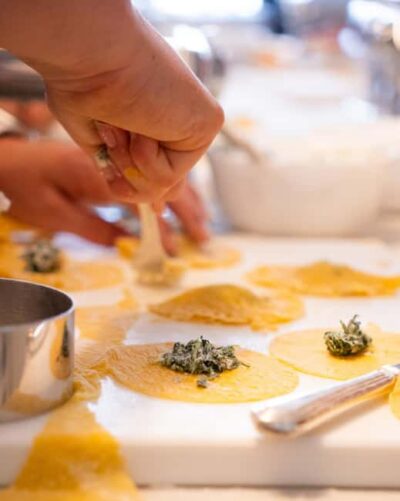
Verona Arena: The ORIGINAL Fresh Pasta and Tiramisu Cooking Class with wine
Read our review →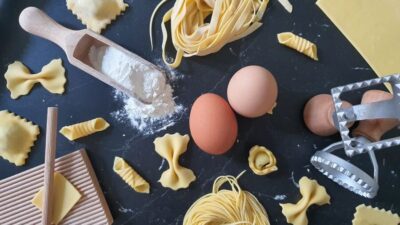
Authentic Pasta Making Class with a Local Family
Read our review →
Bardolino: Garda Lake Pasta Cooking Class at the Agritourism
Read our review →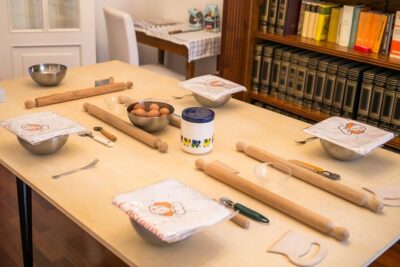
Prosecco and Pasta Making Class at Local’s Home in Verona
Read our review →Browse the lists this tour appears in