
REVIEW · PERUGIA
Colorful Tagliatelle & Walnut Ravioli – Home Cooking in Spoleto
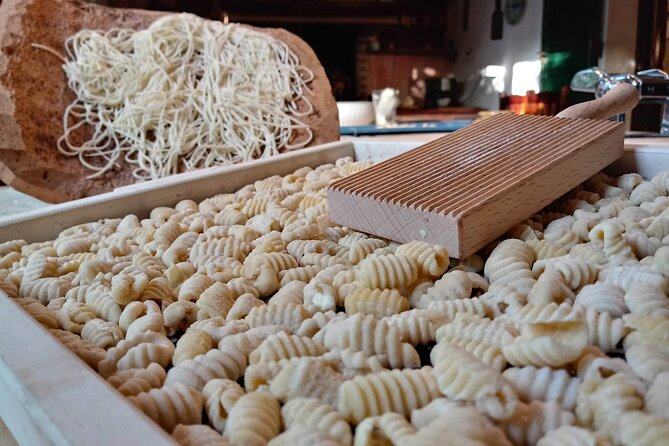
Fresh pasta is the star here, and you do not just watch Paola make it. You mix flour and eggs, knead the dough, cut tagliatelle, and fill ravioli before sitting down to eat the meal. Hands-on cooking and a small group make this feel more like a visit to an Umbrian home than a formal demonstration.
I like the personal scale, with no more than six people, and the simple payoff: the pasta you make becomes your main course. I also like that Paola’s meal includes bruschetta, dessert, bottled water, and regional wine. The main drawback is practical: transportation is not included, and the meeting point is in the Spoleto countryside rather than central Perugia or central Spoleto.
Key points at a glance
- Fresh pasta from start to finish: Mix, knead, cut, roll, and fill your own tagliatelle and ravioli.
- A small class of up to six: The group size leaves room for personal help at the worktable.
- Paola leads the meal and lesson: The host is praised for her kindness and warm welcome.
- Your cooking becomes lunch or dinner: The three-course meal includes bruschetta, fresh pasta, a spoon dessert, water, and wine.
- Plan your own ride: No transportation services are included to or from Colleulivo.
- A three-hour Umbrian food experience: It suits visitors who want a relaxed activity rather than a quick tasting.
Making pasta in the Spoleto countryside
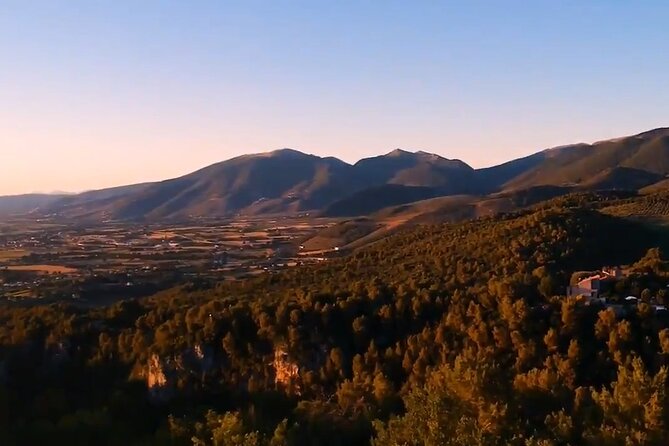
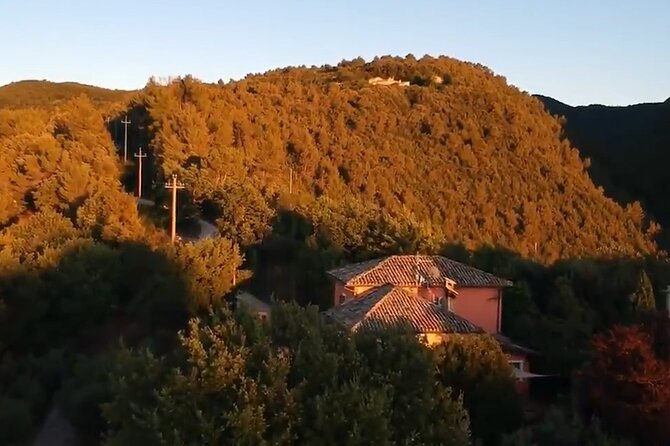
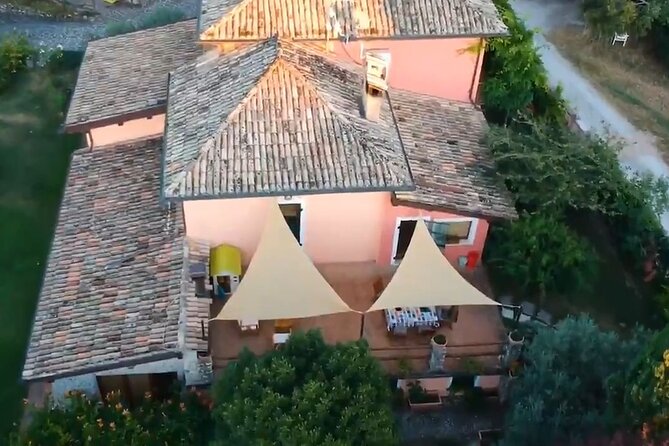
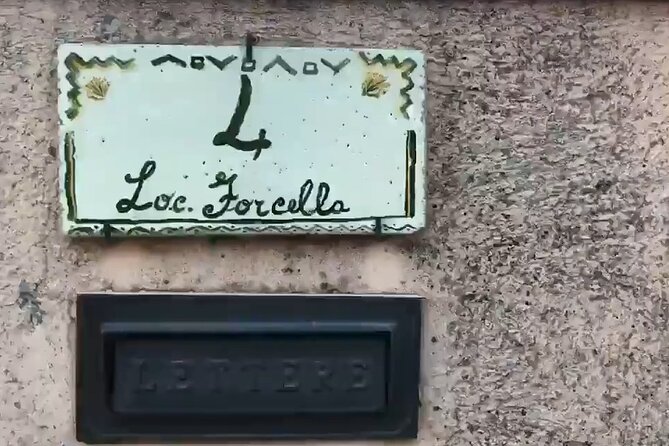
This experience takes place at Colleulivo Home Cooking Classes, at Località Forcella 4, 06049 Spoleto, in the province of Perugia. The setting matters. You are leaving the usual town-center sightseeing route and heading to a home cooking venue in the countryside.
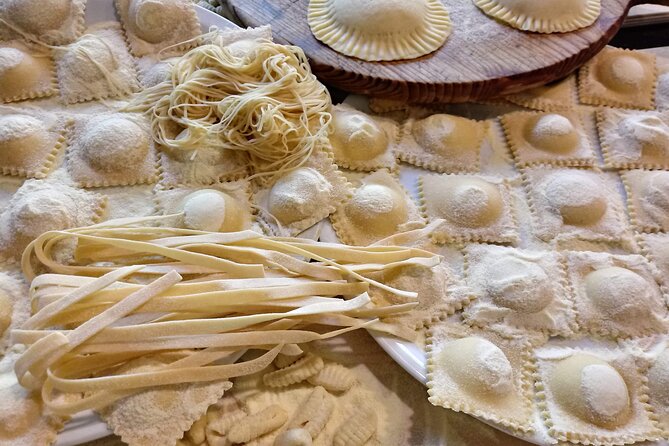
The class focuses on pasta fresca, the fresh pasta made from flour and eggs. The ingredients are basic, but the work is hands-on. You will mix the dough, knead it, roll it, cut it into tagliatelle, and use it to prepare ravioli. The pleasure comes from seeing a few everyday ingredients turn into a complete meal through your own effort.
Paola leads the session in English. The available feedback describes her as kind and lovely, which fits the nature of this class: the host is not just handing you a plate and sending you on your way. She is part of the appeal. One couple specifically enjoyed making tagliatelle with her, then eating the same pasta with local food and wine.
You should expect a practical lesson rather than a professional chef competition. That is good news if you want to learn by doing. Fresh pasta rewards patience, and the class gives you time to handle the dough rather than simply watch a quick display.
More Ravioli and Gnocchi Classes in Italy:
- 3 in 1 Cooking Class near Navona: Fettuccine, Ravioli & Tiramisu
★ 5.0 · 7,376 reviews - Rome: 3-in-1 Fettuccine, Ravioli, and Tiramisu Cooking Class
★ 4.9 · 2,704 reviews - Rome: Fettuccine Pasta Cooking Class in Rome’s City Center
★ 4.8 · 2,414 reviews
Kneading, cutting, rolling, and filling
The pasta lesson has several stages, and each one gives you a different feel for the craft.
First comes the dough. You combine flour and eggs, then work the mixture until it becomes pasta dough. This is the least glamorous part, but it is where you learn how the texture changes under your hands. If you have only bought dried pasta, this step shows you why fresh pasta feels different from the start.
Next comes kneading. You will work the dough with care, improving your technique as you go. The class is useful here because a host can correct your movements and help you judge when the dough is ready. The information provided does not give a detailed recipe or a list of equipment, so you should treat this as an introductory practical lesson rather than a formal cooking course with a printed syllabus.
Then you roll and cut the dough for tagliatelle. This is a satisfying stage because the pasta begins to look familiar. You move from a ball of dough to long strips ready for cooking.
The ravioli adds another skill. You roll pasta, add the filling, and shape the pieces. The title identifies walnut ravioli, though the supplied menu simply lists fresh pasta as the main course. If the exact filling or seasoning matters to you, ask Paola when you arrive. The important point is that you are involved in both kinds of pasta, not just one.
The class can also help you judge how much work is hidden in a plate of handmade pasta. That is useful knowledge to take home. You may leave with a better sense of dough texture, cutting, and filling, even though the experience is built around eating rather than taking home a packaged product.
Bruschetta first, then the pasta you made
After the cooking, you sit around the table for a three-course meal. The starter is bruschetta, a simple beginning that suits the class. It gives you something to eat while the meal comes together and keeps the focus on familiar regional ingredients.
The main course is the fresh pasta. This is the strongest part of the value. You are not paying only for instruction and a small sample. Your work becomes lunch or dinner, and you get to taste the result in a relaxed setting.
A meal like this also gives you a chance to compare the two pasta shapes. Tagliatelle has a different bite and surface from filled ravioli. The experience does not promise a large selection of dishes, and that is worth noting. The point is not variety. The point is learning two pasta forms and eating what you prepared.
The meal includes local food alongside the pasta, according to the available details from one couple’s visit. The exact side dishes are not specified, so you should not book this expecting a fixed spread beyond the listed bruschetta, pasta, and dessert.
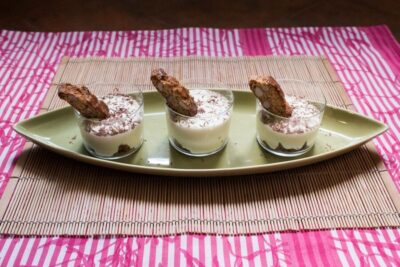
The final course is a spoon dessert. That usually means a soft dessert served with a spoon, but no specific recipe is supplied, so you should not assume a particular flavor or ingredient. You can expect a sweet finish to the meal, not a separate pastry-making lesson.
Regional wine and a convivial table
Wine is included, along with bottled water. A glass of regional wine is paired with the meal, giving the class a stronger connection to Umbria than a cooking lesson followed by a standard restaurant plate.
The word convivial fits the format. You cook in a small group, sit down together, and share the meal around the table. The two available ratings give the experience five out of five, with particular praise for the meal, wine, and Paola’s warm manner. That praise is useful because hospitality is a major part of a home cooking class. If you prefer to cook alone or move quickly, the social table may feel less efficient. If you enjoy conversation and a slow meal, it is likely to be a strong match.
The wine is included, but you should still use your judgment. Bottled water is also provided, so you do not need to purchase a drink simply to have a nonalcoholic option. The available details do not identify the wine, the producer, or the amount served.
More Home Cooking Classes in Italy:
- Catania: Pistachio Ravioli, Pasta Home Cooking Class w/ Wine
★ 4.7 · 204 reviews - Cesarine: Small group Pasta and Tiramisu class in Varenna
★ 5.0 · 195 reviews - Cesarine: Small group Pasta and Tiramisu with Mamma in Lucca
★ 4.5 · 181 reviews - Cesarine: Small group Pasta and Tiramisu class in Bologna
★ 5.0 · 172 reviews
What the three-hour schedule means
The activity lasts about three hours. That is enough time for a full cooking session and meal without taking up an entire day of your trip.
You should reserve a clear block of time around the class. Cooking from scratch has several stages, and the meal follows the lesson. Avoid scheduling a museum visit or train departure immediately afterward, especially since the meeting point is outside the town center.
The three-hour length also makes this suitable for a day in which you want one main activity. It is not a quick pasta demonstration squeezed between sights. You will spend a meaningful part of the day at the table and work surface.
The class ends back at the meeting point. Since transportation is not included, the ride to Località Forcella and the ride afterward are your responsibility. This is the biggest logistical issue to solve before booking. The activity is listed under Perugia, but the actual meeting address is in Spoleto, so check your route carefully and use the exact address rather than relying only on the broader destination label.
Is $129.86 a fair price?
At $129.86 per person, this is not a budget meal. You are paying for a three-hour activity, hands-on instruction, a small group, and a three-course lunch or dinner with wine and water.
I see the price as reasonable for someone who values participation. A standard meal would give you food, but not the work of making tagliatelle and ravioli. A cooking class with a much larger group could cost less, yet offer less time for personal help. Here, the group is capped at six, which makes the price easier to justify.
The value is weaker if you mainly want an inexpensive plate of pasta. You may also find the cost harder to justify if you are not interested in cooking or if transport to the countryside adds a separate expense. The experience is best judged as a combined lesson and meal, not as a restaurant visit.
One useful factor is that the pasta you make forms the main course. You are not paying for a class that ends with a tiny tasting portion. You cook, sit down, and eat the result with the rest of the meal.
Who will enjoy this class most?
I would recommend it to couples, food-focused visitors, and anyone who wants a slower connection with Umbria. The couple who took the class together found the tagliatelle session especially enjoyable, and the format works well for two people who want a shared activity.
It also suits beginners. The class starts with flour and eggs, then builds through kneading, rolling, cutting, and filling. You do not need advanced cooking skills to take part, though you should be ready to use your hands and work at a steady pace.
Families may want to check the age suitability before booking, since no child policy is provided. The same applies to dietary restrictions. The menu lists bruschetta, fresh pasta, and a spoon dessert, but it does not provide ingredient substitutions or allergen information.
This is less suitable for someone who wants a large menu, a formal restaurant setting, or a central city location. It is also not the right pick if you need included transportation. The countryside meeting point is part of the setting, but it creates an extra planning step.
Service animals are allowed. The activity is offered in English, and confirmation is received at booking.
Booking, timing, and cancellation
The class is booked an average of nine days ahead, so I would not leave it until the last moment if your schedule is fixed. The mobile ticket is convenient, and the experience is operated by Curioseety SRLS.
You can cancel for a full refund if you do so at least 24 hours before the local start time. Cancellations made less than 24 hours before the start are not refunded, and changes inside that window are not accepted. That policy is fairly flexible for normal trip planning, but it gives you a firm deadline.
Before you book, confirm three things for yourself: how you will reach Colleulivo, whether the menu suits your diet, and whether a three-hour cooking-and-meal session fits your day. Those details matter more here than the basic booking process.
Should you book the Colleulivo pasta class?
Book it if you want to make fresh pasta with a small group, enjoy a hosted meal, and are willing to arrange your own transport in the Spoleto countryside. The combination of tagliatelle, ravioli, bruschetta, dessert, and regional wine gives the afternoon or evening a clear sense of place.
I would skip it if you only want a quick tasting, need a central meeting point, or expect a detailed menu and professional kitchen tour. For everyone else, the strongest reasons to go are practical and personal: Paola’s warm hosting, the chance to eat the pasta you made, and a three-hour format that leaves you with both a meal and a new cooking skill.
FAQ
Where does the cooking class take place?
The class starts and ends at Colleulivo Home Cooking Classes, Località Forcella 4, 06049 Spoleto PG, Italy. The experience is listed under Perugia, but the stated meeting address is in Spoleto.
How long does the experience last?
The cooking class and meal last approximately three hours.
What food is included?
The sample menu includes bruschetta as a starter, fresh pasta as the main course, and a spoon dessert. The pasta includes tagliatelle and ravioli preparation during the class.
Are drinks included?
Yes. Bottled water and wine are included. The meal is paired with a glass of regional wine.
Is transportation included?
No. Transportation services are not included, so you must arrange your own way to and from the meeting point.
How many people can join the class?
The activity has a maximum of six travelers. It is offered in English, and service animals are allowed.
Just added around Italy
- Volterra: Fresh Pasta Cooking Class at a Tuscan Farmhouse★ 5.0 · 33 reviews
- Verona: Tortellini Cooking Class and Lunch with Mamma Ivana★ 5.0 · 20 reviews
- Vicenza: Pasta & Tiramisu Cooking Class at a Local’s Home★ 5.0 · 5 reviews
- Verona: My Granny’s secrets making gnocchi★ 5.0 · 7 reviews
- Verona: Prosecco and Pasta Making Class at a Local’s Home★ 5.0 · 10 reviews
- Verona: Pasta Cooking Class with Wine Tasting★ 5.0 · 4 reviews
- Verona: Pasta & Tiramisu Cooking Class at a Local’s Home★ 5.0 · 16 reviews
- Valnerina/Pasta cooking class in a 12th century location★ 4.8 · 9 reviews
Perugia Pasta Classes, compared.
Ravioli, Pasta and Tiramisu Class at a Local’s Home
Read our review →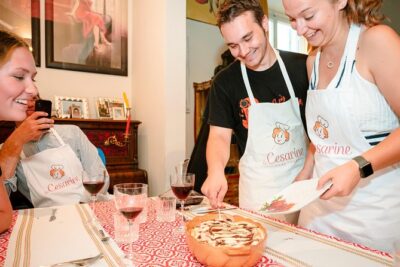
Ravioli, Pasta and Tiramisu Class at a Local’s Home in Perugia
Read our review →
Spoleto Truffle Experience: Handmade Pasta with a Local Chef
Read our review →
Pasta-making class at a Cesarina’s home with tasting in Perugia
Read our review →Browse the lists this tour appears in