
REVIEW · AREZZO
Traditional Tuscan Pasta & Tiramisu Masterclass in Arezzo
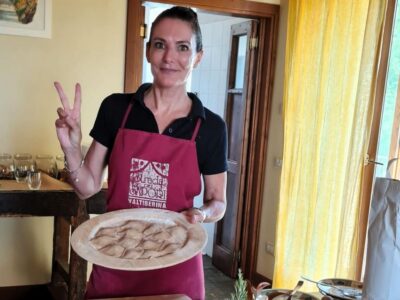
The best part of this Arezzo experience is the setting: you cook in a local home, not a restaurant kitchen built for tourists. You’ll begin with an Italian aperitivo, then work through handmade pici, potato tortelli, and tiramisu before eating the results at the family table. I like the small maximum of six people and the chance to learn family cooking methods from hosts such as Alfredo, Orlanda, or Dina.
I also like that the food is tied to Tuscan home cooking, including pici with garlic sauce and ingredients that may come from the host’s garden. The main consideration is the price, $177.52 per person, which is a serious spend for three hours. You’re paying for personal attention, food, wine, and an intimate home setting rather than simply a lesson.
Key points to know before booking
- Pici from scratch: You’ll learn to make thick Tuscan noodles and serve them with a simple garlic sauce.
- Two pasta dishes: The class includes both pici and potato tortelli, giving you two different ways to work with dough.
- Tiramisu included: Dessert is part of the hands-on menu, not an afterthought.
- Small group of six: The limited size should give you more room to ask questions and work directly with the cook.
- Arezzo home setting: The class takes place in a local residence at Via Cavour, rather than in a standard cooking school.
- Food and drinks included: Aperitivo, local wine, water, coffee, and everything you prepare are part of the experience.
Why a home kitchen changes the class
A cooking lesson in a private home has a different feel from a polished culinary studio. You are not only learning a recipe. You are seeing how Italian food is handled in an ordinary family setting, where pasta making is part of daily life rather than a performance for a crowd.
That matters most with dishes such as pici. These thick, hand-rolled noodles are simple in their ingredients but depend on touch and practice. You can read a recipe, but it is harder to understand the right texture until someone shows you how the dough should feel and how the noodles should look as they grow under your hands.
The same is true of potato tortelli. This dish adds a second type of pasta work: shaping filled pasta rather than rolling long noodles. You get a useful contrast between a rustic noodle and a stuffed pasta, all within one short class.
The hosts are central to the experience. Alfredo and Orlanda have welcomed participants into their home and used local ingredients, including produce from their garden. Dina and her family have also hosted the class, creating a relaxed family setting. Since the exact host can vary, you should think of the names as examples of the kind of personal welcome you may receive, not a guarantee of who will teach your session.
More Tiramisu Classes in Italy:
- 3 in 1 Cooking Class near Navona: Fettuccine, Ravioli & Tiramisu
★ 5.0 · 7,376 reviews - Florence: Pasta & Tiramisu Cooking Class with Unlimited Wine
★ 4.9 · 6,708 reviews - Rome: Pasta & Tiramisu Class with Fine Wine by the Vatican
★ 4.9 · 4,852 reviews
Starting with an Italian aperitivo
The class begins with an aperitivo, Italy’s light pre-meal ritual. It is a good opening because it gives you time to settle in before flour appears on the table.
An aperitivo also sets the pace. This is not a rushed lesson where you are pushed straight from one recipe to the next. You begin by sharing a drink and small bites, then move into the cooking with the host and the other people in your group.
The small group limit matters here. With no more than six people, you should have a better chance to see demonstrations, ask questions, and take part instead of waiting behind a line of cooks. It also keeps the social side manageable. You can talk with the host and the other participants without the noise and crowd of a large class.
If you prefer a quiet, private lesson with only your own party, this may not be the right format. The activity is designed for people who enjoy cooking alongside other lovers of Italian food.
Making Tuscan pici by hand
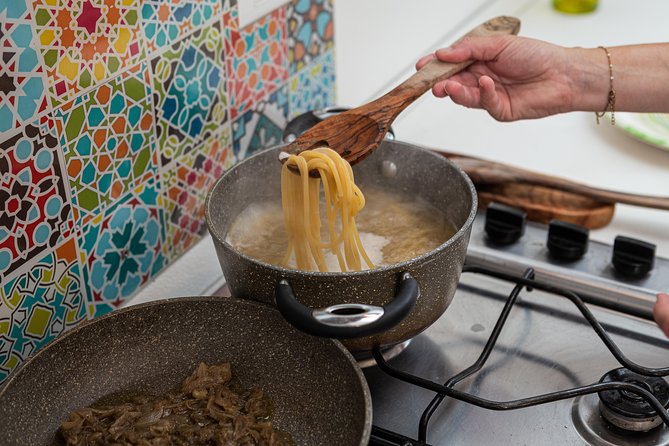
Pici is likely to be the most distinctive pasta on the menu. It is a Tuscan noodle made by hand, with a thick, uneven shape that gives it a hearty texture. The sample preparation pairs it with garlic sauce, a modest combination that lets the pasta do the work.
I like this choice because it teaches a distinctly local dish rather than a generic pasta recipe. Pici does not rely on a complicated sauce or a long list of ingredients. The lesson is about making the noodle properly and understanding how a simple Tuscan dish can carry plenty of flavor.
Rolling pasta the traditional way is one of the class’s most practical features. You will not just watch a cook form the dough. You will have the chance to handle it yourself, which is where the useful learning happens. Your noodles may not all match in size, and that is part of the charm. Handmade pasta should look handmade.
The garlic sauce also keeps the meal grounded in everyday cooking. You will see how a basic sauce can support fresh pasta without covering it up. If you are looking for restaurant-style decoration or highly technical plating, this class is not aimed in that direction. It is about food you could reasonably make again at home.
Shaping potato tortelli
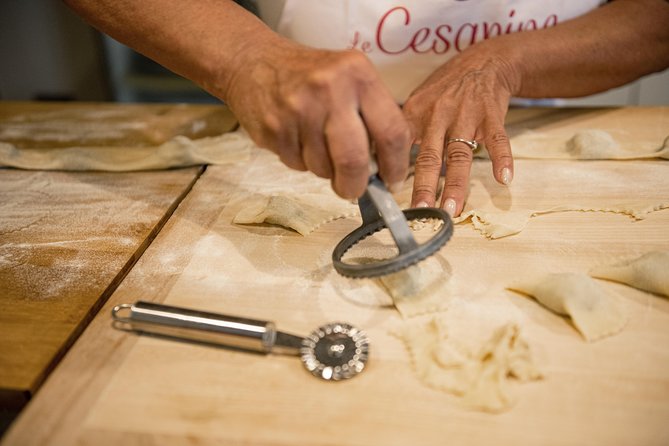
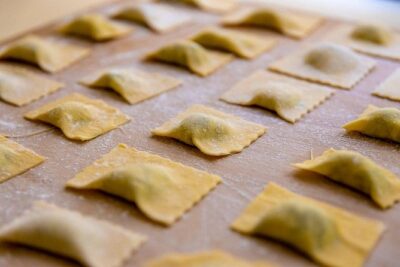
Potato tortelli gives the class a different rhythm. Instead of forming a long noodle, you work with filling and folded pasta. The potato center makes this a hearty main course, and the shaping process introduces another basic skill: sealing filled pasta so it holds together during cooking.
This is where the guidance of a home cook can be especially useful. A written recipe may tell you how much filling to use, but an experienced cook can show you how much dough to leave around the edges and how firmly to close each piece.
The menu includes pici and potato tortelli as two main courses. That is a generous amount of pasta for a three-hour class, especially when you add tiramisu and the aperitivo. You should expect the cooking to lead directly into a full meal, not just a few sample bites.
Because the entire menu is made during the session, the timing may feel active. You will be switching between preparation, shaping, cooking, and eating. That makes the class engaging, but it may not suit you if you want a slow demonstration with little hands-on work.
More Chef-Led Classes in Italy:
- Rome Cooking Class: Make Pasta, Dine & Drink Wine With Local Chef
★ 5.0 · 1,263 reviews - 2-in-1 Pasta and Tiramisu Cooking Masterclass in Rome
★ 5.0 · 832 reviews - Pasta Fettuccine, Ravioli and Tiramisu MasterClass
★ 5.0 · 391 reviews - Pasta and Pizza Master Class with Pick Up in Sorrento
★ 5.0 · 380 reviews
Making tiramisu from the start
Tiramisu closes the menu and gives you a change from pasta dough. The dessert is a familiar Italian favorite, but making it in a home kitchen can help you understand the simple assembly behind it.
The value here is practical. You can take the method home and make it again without specialized equipment. It also gives the class a clear beginning, middle, and end: aperitivo first, savory pasta in the center, and tiramisu to finish.
Since coffee is included with the meal, it fits naturally at the end of the experience. The combination of dessert and coffee gives the class a relaxed finish rather than ending as soon as the last pasta plate is served.
The information provided does not specify every tiramisu ingredient or preparation step, so you should not book this expecting a fixed pastry syllabus. You are booking a family-style Italian cooking session in which tiramisu is one of the featured dishes.
Sitting down to eat what you made
The meal is the reward for the work, but it is also part of the lesson. After preparing the dishes, you taste the pici, potato tortelli, and tiramisu with local wine, water, and coffee included.
I like this structure because you can judge the result while the techniques are still fresh in your mind. You will know how the dough felt, how the tortelli were shaped, and how the finished dishes came together. That makes it easier to remember the process later.
The wine adds to the meal, but it also makes the class less suitable for anyone who does not drink alcohol. Water is included as well. The experience is offered in English, so you can follow the instruction without needing to speak Italian, though learning a few food words before you arrive would still be useful.
The hosts’ welcome is another important part of the meal. Alfredo and Orlanda have treated participants like family, while Dina and her family have created a relaxed atmosphere from the moment people enter the home. That personal contact is the main reason to choose this class over a standard cooking lesson.
What $177.52 means in practical terms
At $177.52 per person, this is not a budget activity. The price makes more sense if you value the full package: three hours, a small group capped at six, an English-speaking host, aperitivo, instruction, several dishes, local wine, water, coffee, and the meal itself.
You are also paying for access to a private home and a more personal exchange than you usually get in a large group class. If the host spends time correcting your pasta technique or explaining family methods, the small group helps make that possible.
Still, you should compare the cost with your own priorities. If you mainly want to learn one inexpensive recipe, the price may feel high. If you want a social evening built around Tuscan food and a local family setting, the value is stronger.
The class is also a good choice for someone celebrating a special occasion or looking for an activity beyond sightseeing. It gives you a shared meal and a story to take home, not just another restaurant reservation.
Meeting in central Arezzo
The meeting point is Via Cavour, 52100 Arezzo AR, Italy. The activity ends back at the meeting point, which keeps the logistics simple.
The location is near public transportation. That is useful if you are reaching the class without a car, though the supplied information does not specify which bus or train connections are closest. You should check the exact route and meeting instructions after booking.
A mobile ticket is accepted, and confirmation is provided at the time of booking. I would keep the address and booking details easy to reach on your phone, particularly because the experience takes place in a home rather than a clearly identified commercial venue.
The class lasts about three hours. Plan your evening around that block instead of scheduling a tight museum visit or train connection immediately afterward. A home meal can take longer than a quick restaurant stop, especially when you are cooking and eating as part of the same session.
Who will enjoy this Arezzo cooking class
This experience suits you best if you like food, conversation, and hands-on activities. You do not need to be an experienced cook. In fact, the class is most useful if you want someone to guide you through the basic feel of fresh pasta.
It is also a good match for couples, friends, and solo visitors who like meeting people in a small group. The maximum of six keeps the setting personal without making it a private activity.
Families may enjoy the class, but the supplied information does not give a minimum age or child policy. If you plan to bring children, confirm that detail before booking.
You may want to skip it if you dislike group activities, do not eat pasta or tiramisu, or prefer a formal restaurant meal. The menu is focused and traditional. There is no stated choice of alternative dishes, dietary substitutions, or vegetarian arrangements, so ask the provider before paying if those details matter to you.
Booking, cancellation, and a sensible plan
You can cancel for a full refund if you do so at least 24 hours before the local start time. Changes or cancellations made within 24 hours are not accepted for a refund.
That policy is fairly workable, but pay attention to the local time in Arezzo. Once you are inside the 24-hour window, you should assume the payment is at risk.
Because the class is limited to six people, an early booking may be wise if your dates are fixed. The small group is one of the strongest features, but it also means fewer spaces are available for each session.
Should you book the Arezzo pasta and tiramisu class?
I would book this if you want a personal introduction to Tuscan home cooking and you are happy to pay for atmosphere as well as instruction. The strongest reasons are the small group, the two fresh pasta preparations, the tiramisu, and the chance to eat in a local home with a family cook.
I would think twice if $177.52 feels too high for a three-hour activity or if you need firm details about dietary alternatives, age requirements, or the exact host before committing. For everyone else, this is a well-focused way to spend an afternoon or evening in Arezzo, especially if making pici by hand sounds more appealing than simply ordering another plate of pasta.
FAQ
Where does the cooking class take place?
The class takes place at Via Cavour, 52100 Arezzo AR, Italy, in a local home.
How long does the experience last?
The activity lasts approximately three hours.
What language is the class offered in?
The class is offered in English.
How many people can join the class?
The maximum group size is six people.
What dishes will I prepare?
The sample menu includes pici, homemade Tuscan noodles with garlic sauce, potato tortelli, and tiramisu.
Are drinks included?
Yes. The experience includes an Italian aperitivo, local wines, water, and coffee.
Does the activity return to the meeting point?
Yes. The activity ends back at the meeting point.
Is a mobile ticket accepted?
Yes. The experience includes a mobile ticket.
Can I cancel for a full refund?
Yes. You can receive a full refund if you cancel at least 24 hours before the experience start time. Cancellations or changes made less than 24 hours in advance are not accepted for a refund.
Just added around Italy
- Volterra: Fresh Pasta Cooking Class at a Tuscan Farmhouse★ 5.0 · 33 reviews
- Verona: Tortellini Cooking Class and Lunch with Mamma Ivana★ 5.0 · 20 reviews
- Vicenza: Pasta & Tiramisu Cooking Class at a Local’s Home★ 5.0 · 5 reviews
- Verona: My Granny’s secrets making gnocchi★ 5.0 · 7 reviews
- Verona: Prosecco and Pasta Making Class at a Local’s Home★ 5.0 · 10 reviews
- Verona: Pasta Cooking Class with Wine Tasting★ 5.0 · 4 reviews
- Verona: Pasta & Tiramisu Cooking Class at a Local’s Home★ 5.0 · 16 reviews
- Valnerina/Pasta cooking class in a 12th century location★ 4.8 · 9 reviews
Arezzo Pasta Classes, compared.
Colorful Pasta Tagliatelle and Ravioli Cooking Class near Arezzo
Read our review →
Colorful Tagliatelle and Ravioli Cooking Class near Arezzo
Read our review →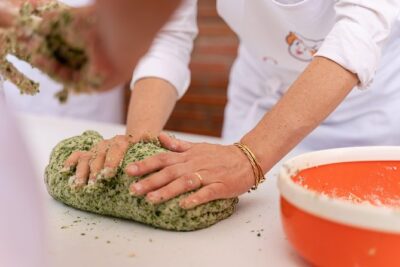
Share your Pasta Love: Small group Pasta and Tiramisu class in Arezzo
Read our review →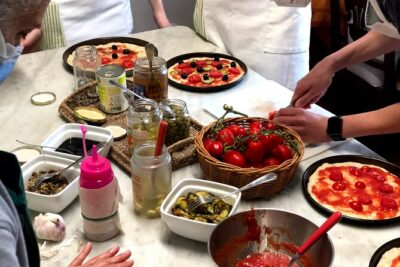
Private pasta-making class at a Cesarina’s home with tasting in Arezzo
Read our review →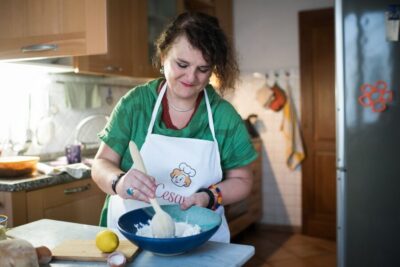
pasta e tiramisù cooking class organic Tuscan farm
Read our review →
Browse the lists this tour appears in