
REVIEW · POMPEII
Pompeii: guided tour of the ruins and cooking class fresh pasta
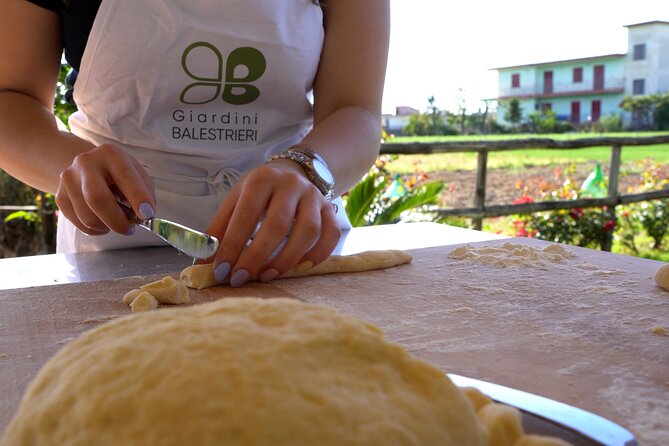
Pompeii is best understood on foot, but it is even more memorable when the day ends around a family table. This private experience pairs a guided walk through the ancient city with a hands-on pasta class in the Pompeian countryside, where you may pick ingredients from the garden before cooking them.
I like the small-group attention and the way the cooking class adds a human, local side to the ruins. I also like the setting: olive and citrus trees, views toward Vesuvius and the Lattari Mountains, homemade food, and a glass of Gragnano wine. The main drawback is the price, $300.40 per person, and the €20 Pompeii entrance fee is extra.
Key points to know before booking
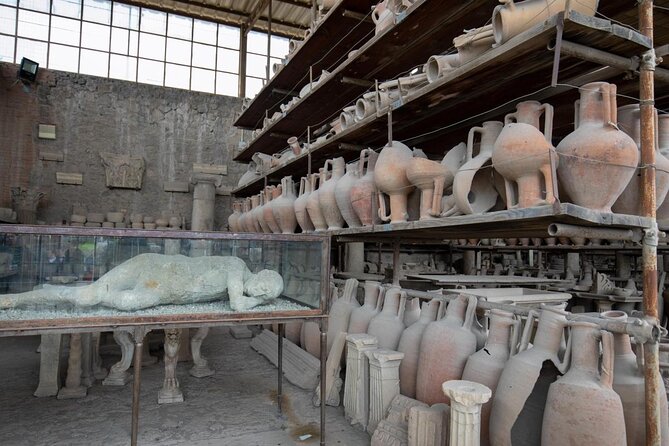
- Pompeii with a dedicated guide: The two-hour walk covers the theaters, decorated houses, Via dell’Abbondanza, baths, brothel, forum, temples, and Basilica.
- A real cooking session: You make pasta from scratch, with examples including ravioli, gnocchi, and a traditional Campania recipe.
- Food comes from the family garden: You may help gather vegetables, herbs, citrus, or other ingredients used during the meal.
- A relaxed second half: The garden meal can include bruschetta, pasta, dessert, house wine, and homemade limoncello.
- Private transport is included: This helps connect the archaeological park with the cooking location without arranging another ride.
- Plan your Pompeii time carefully: The entry ticket costs €20 and allows one entry, so ask in advance if you want extra time inside the ruins.
Why this Pompeii day works so well
Many Pompeii visits stop at the ancient streets. You see the houses, read the signs, and then move on. This experience gives you a second way to understand the area. After the Roman city, you spend time with people who cook with local ingredients and live among the orchards and gardens of modern Pompeii.
That contrast is the real appeal. The ruins show public life, trade, religion, entertainment, and domestic routines from nearly two thousand years ago. The cooking class brings you back to present-day Campania, where food is still tied to family, soil, and long lunches.
The format also suits mixed-interest groups. One person can enjoy archaeology, another can focus on food, and everyone has something to do. Because the activity is private, the guide and host can answer questions without trying to keep a large crowd moving.
The price requires a clear-eyed look. At $300.40 per person, this is not a budget Pompeii visit. You also pay €20 per person for park entry. But the cost includes private transportation, the guided visit, lunch or dinner, water, soft drinks, dessert, and one glass of Gragnano DOC wine. The value improves for a family or small group that would otherwise book separate transport, a private guide, and a cooking class.
More Fresh Pasta Workshops in Italy:
- Rome: Pasta Making Class with Wine, Limoncello, and Dessert
★ 4.9 · 3,177 reviews - Pastamania – Florence Pasta Making Class
★ 5.0 · 3,050 reviews - Enjoy Spritz and Pasta Making in Piazza Navona
★ 5.0 · 1,681 reviews
Walking through Pompeii with an archaeologist
The first part lasts about two hours inside the Archaeological Park of Pompeii. The route is designed to cover the major sights rather than every corner of the enormous site.
You can expect to see the theaters, important houses with frescoes and other decoration, the shops and workshops along Via dell’Abbondanza, the thermal baths, the brothel, the forum, the Temple of Apollo, the Temple of Jupiter, and the Basilica.
That list matters because it gives you several angles on Roman life. The theaters show public entertainment. The houses reveal how wealthier families decorated their rooms. The shops and workshops along the main street help you picture Pompeii as a working town, not just a collection of grand ruins.
The baths and brothel add a more personal look at daily habits and social life. At the forum, the focus shifts to politics, worship, and commerce. A guide can connect these locations instead of leaving you to piece everything together from signs.
The individual guide may vary. Clelia received praise for explaining the highlights clearly and answering questions. Carla was described as especially well informed about the site, while Lucy provided a strong history-focused visit. Lello also guided the ruins and was praised for his insight into the ancient city. You should not assume one particular guide is guaranteed, but the experience has used several English-speaking guides.
Expect to walk on uneven ancient paving stones and spend much of the time outdoors. One group took a little longer than two hours because someone had a foot injury, so the pace can be adjusted to a degree. Still, Pompeii is a walking site, and you should be comfortable on your feet for the archaeological portion.
The one-entry ticket issue
The Pompeii entrance fee is not part of the advertised price. It costs €20 per person, and the activity information says admission is not included.
The more important point is that the ticket is valid for one entry. If you leave the park for the cooking class, you cannot simply return later with the same ticket. This creates a timing choice.
If you want only the guided highlights, the standard schedule should work well. If you know you want to explore additional streets, villas, or exhibits on your own, contact the provider before the day begins. One group wished it had arranged an earlier start so it could spend another hour or two at Pompeii before the cooking portion.
The host was able to allow some extra independent time, but the afternoon schedule could not be pushed back very far. The cooking class is not a quick meal stop. It lasts about three hours, and the garden hosts need time to prepare the food and serve it.
My advice is simple: decide before booking how much Pompeii you want. For a first visit focused on the main monuments, the guided walk is enough for many people. For repeat visitors and serious archaeology fans, request a schedule that leaves room for extra exploring.
From the ruins to the Pompeian countryside
After the archaeological visit, private transportation takes you to the cooking location in the countryside around Pompeii. The setting is a major part of the experience. You are surrounded by olive and citrus trees, with views toward Vesuvius and the Lattari Mountains.
The host, Sabrina, leads the food portion, sometimes with help from Rosalba or other family members. The class takes place in a family garden and home setting rather than a formal culinary school. That makes the experience more personal, though it also means the pace and menu may feel less standardized than a commercial cooking studio.
You may begin with a look around the garden and gather ingredients for the meal. The point is not just to watch someone cook. You handle the produce, learn how it is used, and then take part in preparing the dish.
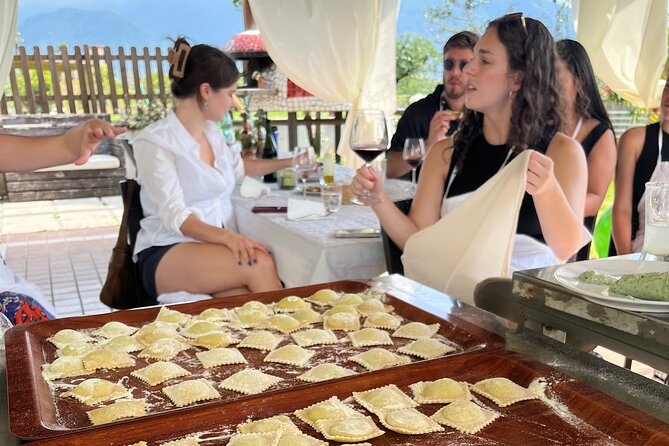
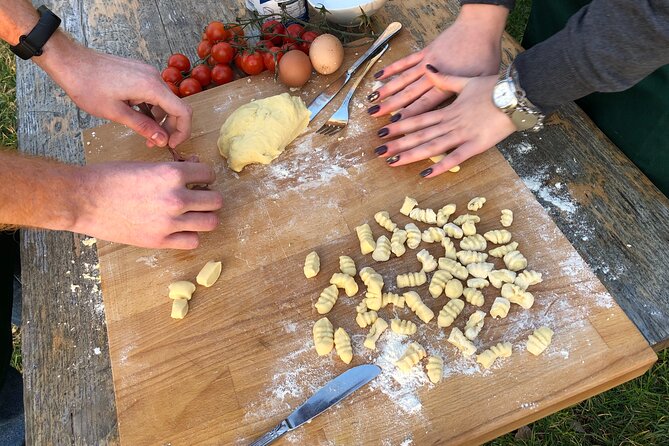
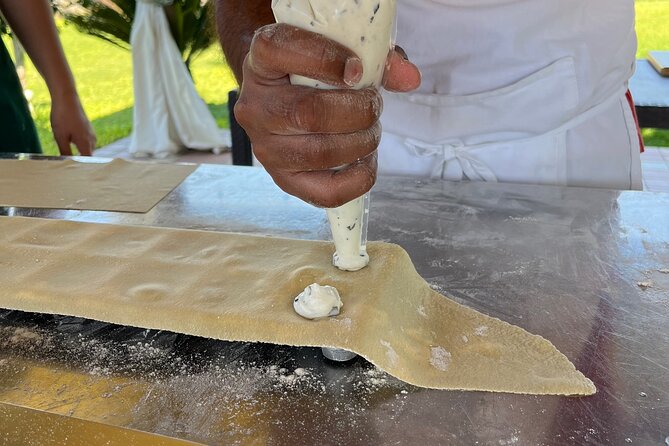
The menu can vary. One session included two kinds of bruschetta made with fresh garden vegetables, followed by ravioli filled with ricotta and spinach. The pasta was cooked and served with butter and sage. Another class focused on potato gnocchi with fresh tomato sauce. These examples suggest a traditional Campania style, but you should not expect one fixed recipe every time.
That flexibility is useful for a private group. You can ask about the planned dish ahead of time if the recipe matters to you. The experience description promises an authentic Campania recipe, but it does not guarantee ravioli, gnocchi, or any particular filling.
A few more classes around Italy worth a look
- From Taormina: Private/Guided Godfather with appetizer and Pasta
★ 5.0 · 233 reviews - Olbia: Traditional Pasta-Making Guided Workshop
★ 4.5 · 73 reviews - 2 Hour Florence Pizza and Gelato Small Group Guided Cooking Class
★ 5.0 · 54 reviews - People of Bari unusual guided tour with pasta making at Grandma house
★ 5.0 · 54 reviews
Making pasta, not just eating it
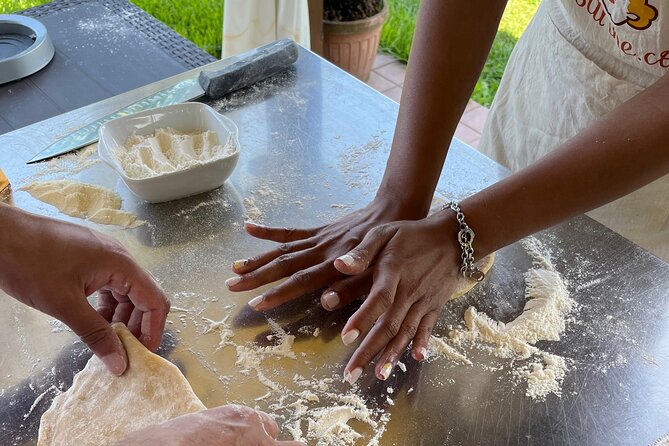
The class is hands-on. Sabrina demonstrates the techniques and provides the tools, then you prepare your own pasta. That makes this a good choice if you want a skill to take home rather than a meal you simply consume.
Ravioli and gnocchi require different kinds of work. Ravioli involves preparing and enclosing a filling, while gnocchi calls for shaping small pieces of potato pasta. The supplied examples show that the class can suit both beginners and people who already cook, since the host guides you through the steps.
The atmosphere seems just as important as the recipe. You can expect conversation, questions, and time around the table. One family group found that a fluent English-speaking relative, Pasquale, helped everyone feel at ease. English is the offered language, and the class is intended to be accessible to an English-speaking group.
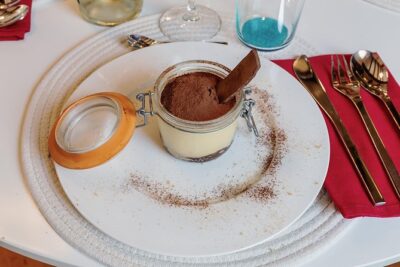
Dessert is included. In one class, the group made a lemon cake together. Other meals included tiramisu. Again, the exact dessert can change, but you should expect something sweet as part of the meal rather than a bare pasta lesson.
What you actually eat and drink
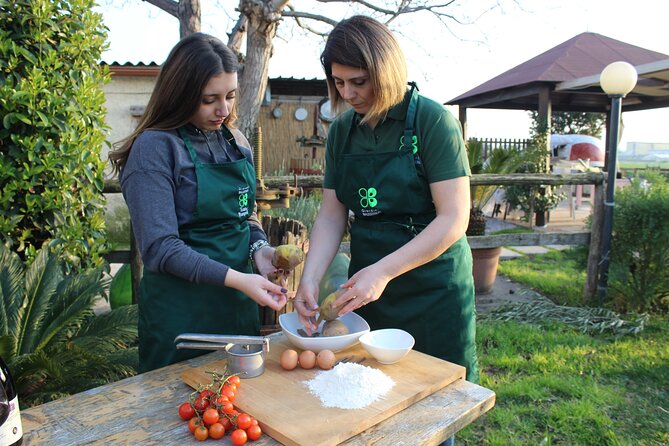
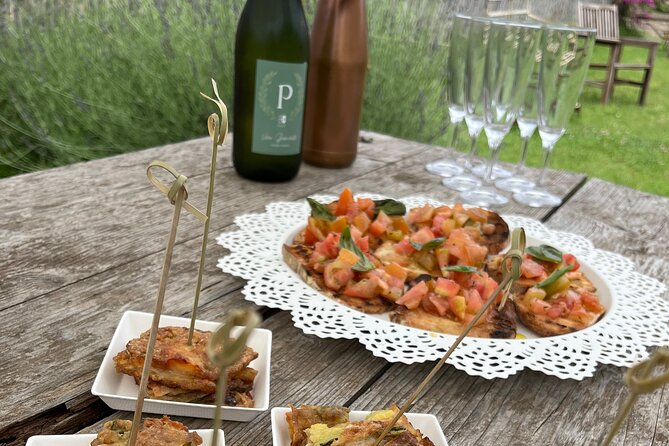
The included meal is substantial. Food described for the experience includes bruschetta, fresh pasta, dessert, water, soft drinks, and wine. One meal also included homemade limoncello, though you should treat that as part of the host’s hospitality rather than a guaranteed inclusion.
The listed alcohol inclusion is one glass of Gragnano DOC wine. Gragnano is associated with the area around Naples and is a natural match for a Campania meal. You may have seen references to house wine in descriptions of the meal, but the formal inclusion specifies one glass, so do not assume unlimited wine.
The food is the strongest reason to choose this over a standard sightseeing tour. The ingredients may come from the garden, the pasta is made in front of you, and the meal follows the class. You get to taste the connection between the garden and the plate.
The meal can also be generous. One group was served large portions of gnocchi, while another had enough food to leave with full stomachs and a long afternoon ahead. If you have a tight schedule after the tour, keep that in mind. This is a leisurely lunch or dinner, not a quick demonstration.
Private transport and group size
Private transportation is included, and the activity begins and ends at the stated meeting point near Scavi di Pompei on Viale delle Ginestre. The published maximum is 10 people.
That limit gives you more room to ask questions and take part in the cooking. It also makes the day easier for families and small groups with different interests. You are not trying to hear a guide over a crowd or wait for dozens of people to finish shaping pasta.
The transport is especially useful because the ruins and garden are separate parts of the day. You do not need to arrange a second taxi between them. One cruise-ship group also received port pickup and return assistance when its docking time changed, but port transfers are not listed as a standard inclusion for every booking. Ask the provider directly if you need a port pickup.
The meeting point is near public transportation. Service animals are allowed, and the activity information says most people can participate. The ruins still involve walking over uneven surfaces, so anyone with mobility concerns should ask about the route before booking.
Who will enjoy this most
I would choose this for a couple, family, or group of friends that wants more than a standard Pompeii lecture. It works particularly well when some people care about history and others are happiest around food.
Families may like the change of pace. Two hours of ruins can be demanding, especially in warm weather. Cooking, gardening, and lunch give everyone a different way to stay involved.
Food-focused visitors will appreciate the garden ingredients and the chance to make pasta with a local host. The class is also a good fit for people who want a social meal but prefer a private setting over a large commercial group.
You may want a different arrangement if your main goal is a long, detailed archaeological study. The Pompeii portion lasts about two hours and concentrates on major sights. It is a guided overview, not a full-day examination of every neighborhood.
This also may not suit a very tight schedule. The full experience takes about five to six hours, and the meal can be relaxed. Build in time for walking, transport, cooking, eating, and conversation.
Booking, cancellation, and timing advice
The experience is offered in English and is often reserved about 31 days ahead. That is a useful planning clue, especially if you have only one day in Pompeii or are visiting from a cruise ship.
You receive confirmation at booking. Free cancellation is available if you cancel at least 24 hours before the start time. Changes or cancellations made within 24 hours are not accepted for a refund. The provider also requires a minimum number of participants, and if that minimum is not met, you are offered another date or experience, or a full refund.
Before booking, ask three practical questions: Which guide is scheduled? What dish will you prepare? Can you start early enough to spend extra time inside Pompeii? Those answers can make a large difference to your satisfaction.
Should you book this Pompeii experience?
Book it if you want Pompeii paired with a warm, food-centered afternoon rather than a stand-alone ruin visit. The strongest parts are the private guide, the small group, the family garden, the fresh ingredients, and the chance to make pasta with Sabrina and her relatives.
Skip it if your budget is tight or if you want to spend most of the day inside the archaeological park. The $300.40 price is high, and the €20 entrance fee is extra. But for a small group that values private transport, personal attention, a proper meal, and a local cooking session, the cost buys much more than a basic Pompeii ticket and group tour.
FAQ
How long does the full Pompeii and cooking experience last?
The experience lasts approximately five to six hours. About two hours are spent at the Archaeological Park of Pompeii, followed by about three hours for the garden visit, cooking class, and meal.
Is the Pompeii entrance fee included?
No. The Pompeii ruins ticket costs €20 per person and must be paid separately.
What sights are included in the Pompeii walk?
The route includes the theaters, important decorated houses, Via dell’Abbondanza, shops and workshops, thermal baths, brothel, forum, Temple of Apollo, Temple of Jupiter, and Basilica.
Is the cooking class offered in English?
Yes. The experience is offered in English.
What kind of pasta will I make?
The activity teaches a traditional Campania recipe, but the exact dish can vary. Past sessions have included ravioli with ricotta and spinach and potato gnocchi with fresh tomato sauce.
What food and drinks are included?
The experience includes lunch or dinner, dessert, still and sparkling water, soft drinks, and one glass of Gragnano DOC wine. The exact menu and any additional drinks can vary.
Can I cancel for a full refund?
Yes, if you cancel at least 24 hours before the experience starts. Cancellations or changes made less than 24 hours before the start time are not refundable.
Just added around Italy
- Volterra: Fresh Pasta Cooking Class at a Tuscan Farmhouse★ 5.0 · 33 reviews
- Verona: Tortellini Cooking Class and Lunch with Mamma Ivana★ 5.0 · 20 reviews
- Vicenza: Pasta & Tiramisu Cooking Class at a Local’s Home★ 5.0 · 5 reviews
- Verona: My Granny’s secrets making gnocchi★ 5.0 · 7 reviews
- Verona: Prosecco and Pasta Making Class at a Local’s Home★ 5.0 · 10 reviews
- Verona: Pasta Cooking Class with Wine Tasting★ 5.0 · 4 reviews
- Verona: Pasta & Tiramisu Cooking Class at a Local’s Home★ 5.0 · 16 reviews
- Valnerina/Pasta cooking class in a 12th century location★ 4.8 · 9 reviews
Pompeii Pasta Classes, compared.

Trip Excursion to Mt. Vesuvius – Pompeii + Handmade pasta class with lunch
Read our review →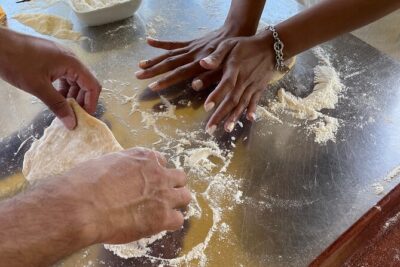
Private Pasta & Tiramisu Class at a Cesarina’s home with tasting in Pompei
Read our review →
Private Pizza & Tiramisu Class at a Cesarina’s home with tasting in Pompei
Read our review →Browse the lists this tour appears in