
REVIEW · FRESH PASTA WORKSHOPS
Monopoli: Parco Rurale Guided Tour with Pasta-Making Lab
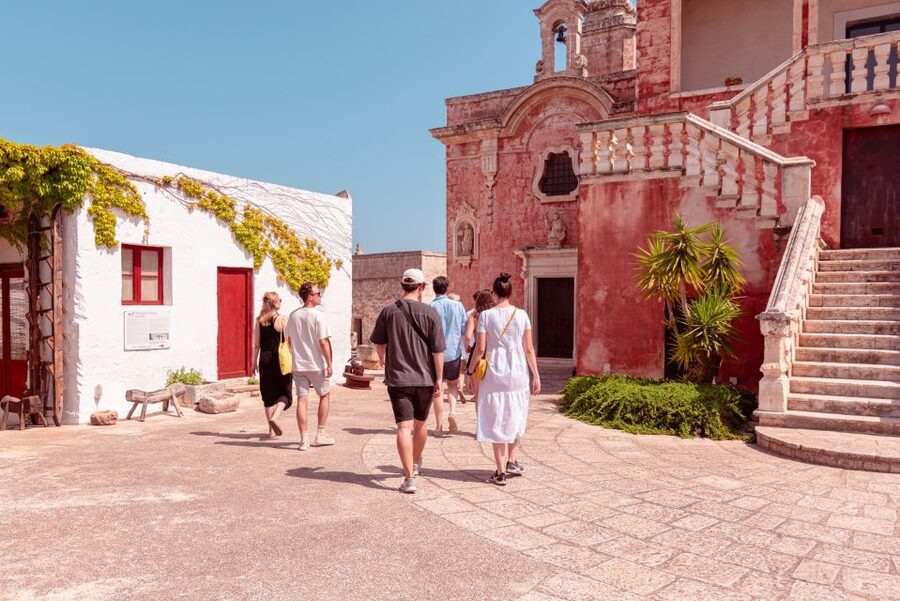
The best part of this experience is the mix of old stonework and hands-on cooking. You walk through Masseria Spina’s rural park, from a rupestrian settlement and necropolis to an underground olive press, then sit down to shape the pasta that belongs to this corner of Puglia.
I like the clear sense of place, especially the red Masseria Spina Grande and the citrus grove inside the fortified complex. I also like the small group, limited to 10, which gives you room to ask questions and get help with the pasta. The main drawback is simple: pasta is prepared but not promised as a cooked meal, so do not book this as a full lunch.
Key points to know before booking
- Three traditional pasta shapes: You work with included ingredients and follow guidance during a practical pasta lab.
- A rural site with several layers: The route includes a rupestrian settlement, necropolis, Minor Church, fortified tower, citrus grove, olive press, dye works, and Baroque church.
- The red Masseria Spina Grande: The farmhouse’s bold exterior gives the walk its most memorable architectural sight.
- A compact two-and-a-half-hour visit: The schedule combines a historical walk with the workshop without taking up an entire day.
- Small groups and two languages: The group is capped at 10, with tours offered in Italian or English.
- Bring your own meal plan: Food and drinks are not included, and the pasta may be taken home rather than cooked and served on site.
A rural history lesson outside Monopoli
Masseria Spina is not simply a pretty farmhouse with a cooking class attached. The site lets you see how rural life, farming, defense, religion, and food once worked together in Apulia.
You begin at the Masseria Spina Resort in Monopoli’s Parco Rurale, where the guide leads you through the historical park. The route moves through several different parts of the property, so this is a walking tour first and a cooking activity second.
That order makes sense. Apulian pasta is not an isolated recipe. It comes from a place where grain, olive oil, citrus fruit, stone buildings, and farm work shaped everyday life. The walk gives the workshop some context before you roll up your sleeves.
The small group matters here. With no more than 10 participants, you should have a better chance of hearing the guide and getting practical help with the dough. One guide named in the feedback was Elaina, who was praised for explaining the area clearly. Guide assignments can change, but the tour is offered with a live Italian- or English-speaking guide.
More Fresh Pasta Workshops in Italy:
- Rome: Pasta Making Class with Wine, Limoncello, and Dessert
★ 4.9 · 3,177 reviews - Pastamania – Florence Pasta Making Class
★ 5.0 · 3,050 reviews - Enjoy Spritz and Pasta Making in Piazza Navona
★ 5.0 · 1,681 reviews
From the rupestrian settlement to the necropolis
The first part of the walk takes you through the rupestrian settlement. This type of site is carved into or closely tied to the local rock, and it gives the visit a more grounded feel than a standard farmhouse tour.
You then see the necropolis and the Minor Church. These stops show that Masseria Spina was not only a place for agricultural work. People lived, worshipped, and buried their dead within the wider settlement.
The guide is important during this part of the visit. Without explanation, a rural complex can look like a collection of old walls. With the historical story, the stops connect into a picture of a working community. I would pay close attention here if you enjoy archaeology or local history, since the value comes from the details your guide adds.
The walk is not presented as a long countryside hike. It is a guided route through a defined historical park, lasting as part of a 2.5-hour experience that also includes the pasta lab. Still, you should be ready to walk between the different structures rather than treating the site as one indoor attraction.
The Spina Piccola tower and the citrus grove
The Spina Piccola Fortified Tower is described as the first fortified structure on the site. It adds a defensive side to the story and helps explain why these rural complexes could look more like small strongholds than ordinary farmhouses.
You also pass through the internal citrus grove. This is one of the more pleasant changes of pace in the itinerary. After stone settlements and defensive architecture, the grove brings you back to the agricultural side of the estate.
I like this combination because it keeps the tour from becoming a single-theme history lesson. You see how protection, farming, religion, and production fit together. The citrus grove also gives you a chance to notice the living setting rather than focusing only on buildings.
One particularly nice detail from the visit is the chance to try prickly pear. It is a small seasonal taste rather than a formal tasting menu, but it adds a direct connection to local produce. You should not expect food and drinks to be included as a meal. The prickly pear is best treated as an incidental taste along the way, not a replacement for lunch.
Underground olive press and old dye works
The ancient underground olive press is one of the most useful stops for understanding Apulia’s food culture. Olive oil is central to the region’s cooking, and seeing the place where olives were processed gives you more than a passing reference to local tradition.
Because the press is underground, the setting also changes the feel of the walk. You move from open-air paths and farm buildings into a work space shaped by stone and practical need. The guide can help explain how the press functioned and why it mattered to the estate.
The dye works add another layer. They remind you that the site supported more than olive growing and food production. A rural estate could have several forms of work happening within the same fortified complex.
These are the kinds of stops that make the tour worthwhile for people who want more than a pasta class. If your main interest is only cooking, the historical walk may feel longer than necessary. If you like seeing the systems behind a regional cuisine, the olive press and dye works give the food portion more meaning.
A few more classes around Italy worth a look
- From Taormina: Private/Guided Godfather with appetizer and Pasta
★ 5.0 · 233 reviews - Olbia: Traditional Pasta-Making Guided Workshop
★ 4.5 · 73 reviews - 2 Hour Florence Pizza and Gelato Small Group Guided Cooking Class
★ 5.0 · 54 reviews - People of Bari unusual guided tour with pasta making at Grandma house
★ 5.0 · 54 reviews
The red facade of Masseria Spina Grande
The visual centerpiece is Masseria Spina Grande, the main structure with its strong red exterior. The color makes it easy to pick out among the surrounding stone and greenery, and it gives the property a clear identity.
You view the exterior facade as part of the walking route. The information provided does not promise a full interior tour of every room, so you should think of this as an architectural and historical stop rather than a house museum visit.
The building’s scale and fortified character help explain the role of the masseria in rural Apulia. These were working agricultural estates, but they also needed to protect people and goods. The red facade gives you a memorable image to carry away, while the surrounding structures show how the property operated as a larger settlement.
The Baroque Church of the Immaculate Conception is another major sight. It shifts the focus from defense and production to religious art and community life. Together, the church and the fortified farmhouse give the route a good visual range.
Shaping three Apulian pasta forms
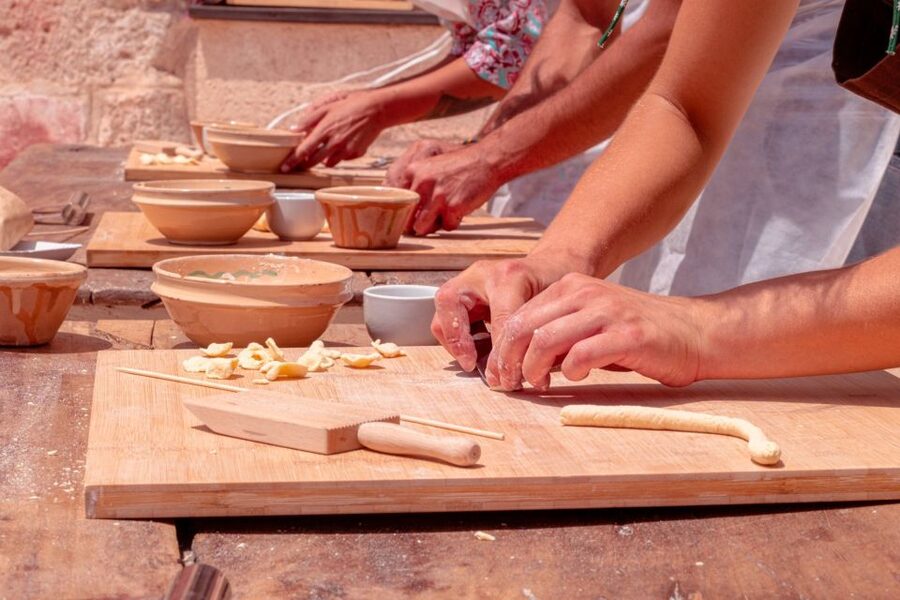
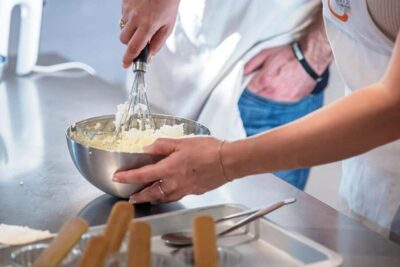
After the walk, you move to the pasta lab. This is the most active part of the experience, and it is where the tour becomes more than a look at local food.
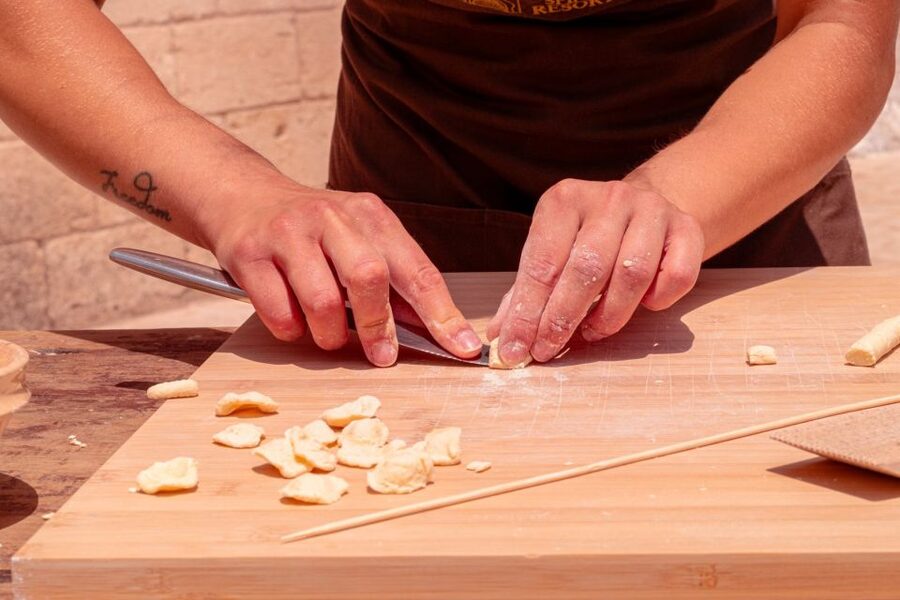
The ingredients are included, and the guide leads you through the process of making typical Apulian pasta shapes. You can expect to work directly with the dough rather than simply watch a demonstration. One booking described learning three different pasta shapes from scratch, which gives you a useful target for what the class may cover.
The class is suitable for people who enjoy learning by doing. You do not need the pasta skills of an Italian grandmother. The point is to understand the basic shaping process and gain enough confidence to try it again at home.
I would expect a friendly, practical pace rather than a formal cooking-school lesson. The small group helps because the guide can watch how you are shaping the pasta and correct your technique. The setting also works well for families, couples, and friends who want an activity that keeps everyone involved.
There is one important catch. Food and drinks are not included, and the information does not say that the pasta will be boiled and served during the class. One participant specifically found it disappointing that the pasta was not cooked and eaten on site, while another appreciated taking the finished shapes home to taste the next day.
So, clarify your expectations before you book. You are paying for instruction, ingredients, and the chance to make the pasta. You are not booking a guaranteed sit-down meal. If your plan is to cook your pasta later, the class becomes a useful souvenir you can eat at home.
Is $71 a fair price?
At $71 per person, this is not the cheapest way to spend a morning in Monopoli. It is also not just a pasta lesson. The price includes entry to the historical park, a guided walking tour, the pasta ingredients, and the guided workshop.
That combination gives the fee reasonable value for visitors who want both culture and food. You get a guide-led visit through several historical features, followed by a hands-on activity. The small group limit of 10 also helps justify the price, since the workshop should feel more personal than a large demonstration.
The value is weaker if you only want to eat pasta or only want to see the masseria quickly. Food and drinks are extra, and there is no hotel pickup or drop-off. You need to make your own way to the Masseria Spina Resort.
I would compare this price with the cost of booking a separate historical visit and cooking class. The appeal here is convenience: both activities happen in one place and fit into 2.5 hours. That makes it useful for a short stay in Monopoli, especially if you want to keep the rest of the day open.
Timing, languages, and practical planning
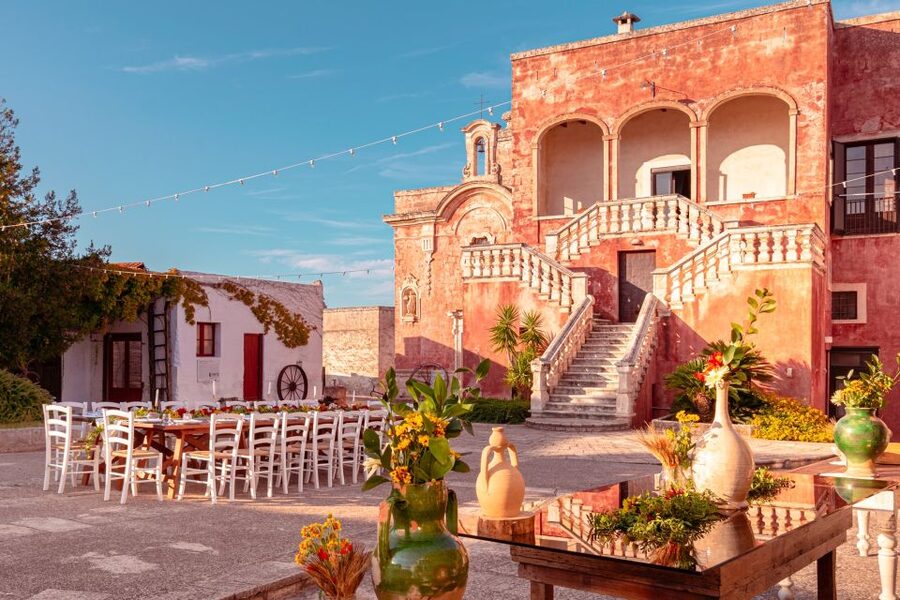
The activity lasts 2.5 hours, with starting times based on availability. That is long enough for a proper look around the park and a real pasta session, but short enough to fit alongside other Monopoli plans.
You meet at Masseria Spina Resort in Parco Rurale, at the location identified for historical tours, tastings, and experiences. Hotel transportation is not included, so check your route to the meeting point before booking.
Tours are offered in Italian and English. A live guide leads both the walking portion and the lab, which is useful when you need help with either historical questions or pasta shaping.
The experience has a 4.9 rating from 13 reviews, with especially strong praise for the beautiful grounds, the clear explanations, and the pasta class. The recurring strengths are the setting and the chance to make several shapes from scratch. The one practical reservation is the lack of a promised cook-and-eat portion.
You can cancel up to 24 hours in advance for a full refund, and the reserve-now, pay-later option gives you some flexibility while planning. Those policies are helpful if your Apulia schedule is still moving around.
Who should book this Masseria Spina experience?
I would choose this tour if you want a compact introduction to both Apulian history and food. It suits first-time visitors who want a guide to explain what they are seeing, as well as returning visitors who want an activity beyond the usual town walk.
It is a strong choice for:
- Couples looking for a shared activity with a local setting
- Families who enjoy hands-on classes
- Food lovers who want to learn pasta shaping, not only taste a dish
- History fans interested in fortified farmhouses, churches, and rural settlements
- Visitors with limited time who want a walk and workshop in one booking
- Small groups who prefer a capped group of 10
I would hesitate if you need a full meal included or if you dislike walking between historical sites. I would also skip it if your schedule cannot accommodate the fixed 2.5-hour format or the trip to the meeting point.
Should you book it?
Book this experience if you want to understand Apulia through the place where its food was made and the people who lived around it. The underground olive press, citrus grove, fortified tower, red Masseria Spina Grande, and Baroque church give the walk real variety. The pasta lab then turns that regional story into something you can practice with your own hands.
Just keep the meal question clear. The pasta class is about making and shaping, and you may take the finished pasta home rather than eating it there. At $71, the experience makes the most sense for someone who values the historical tour, small group, guide, and workshop together.
FAQ
Where does the tour meet?
You meet your guide at the Masseria Spina Resort in Parco Rurale, at the location for historical tours, tastings, and experiences.
How long does the experience last?
The complete experience lasts 2.5 hours, including the historical walking tour and pasta lab.
What does the $71 price include?
The price includes the guided walking tour, entry to Parco Rurale’s historical park, pasta lab ingredients, and the guided pasta workshop.
Is food included?
Food and drinks are not included. The pasta lab provides ingredients for making pasta, but the activity does not promise a cooked meal.
Can I eat the pasta I make during the class?
The provided details do not promise that the pasta will be cooked and served during the activity. You may be able to take the finished pasta home, so do not book this expecting a sit-down meal.
What languages are available?
The live guided tour and pasta lab are available in Italian and English.
How large is the group?
The experience is limited to 10 participants, making it a small-group activity.
Just added around Italy
- Volterra: Fresh Pasta Cooking Class at a Tuscan Farmhouse★ 5.0 · 33 reviews
- Verona: Tortellini Cooking Class and Lunch with Mamma Ivana★ 5.0 · 20 reviews
- Vicenza: Pasta & Tiramisu Cooking Class at a Local’s Home★ 5.0 · 5 reviews
- Verona: My Granny’s secrets making gnocchi★ 5.0 · 7 reviews
- Verona: Prosecco and Pasta Making Class at a Local’s Home★ 5.0 · 10 reviews
- Verona: Pasta Cooking Class with Wine Tasting★ 5.0 · 4 reviews
- Verona: Pasta & Tiramisu Cooking Class at a Local’s Home★ 5.0 · 16 reviews
- Valnerina/Pasta cooking class in a 12th century location★ 4.8 · 9 reviews
Fresh Pasta Workshops, compared.
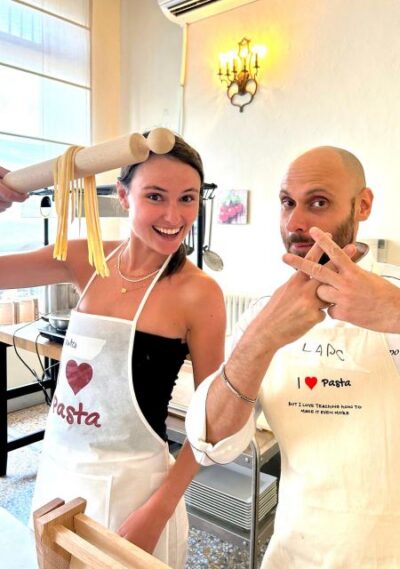
Pasta Making Class with Wine, Limoncello, and Dessert
Read our review →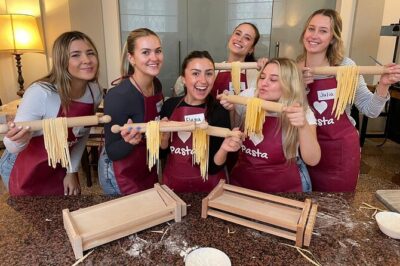
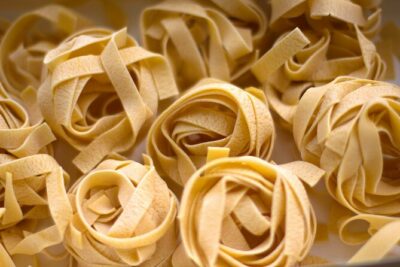
Enjoy Spritz and Pasta Making in Piazza Navona
Read our review →
The Secrets to Learn Fresh Pasta and Tiramisù in a Glam Home
Read our review →
Pasta Making with Wine Tasting and Dinner in Frascati
Read our review →
Handmade Pasta & Dessert Class with Unlimited Wine
Read our review →Browse the lists this tour appears in