
REVIEW · FRESH PASTA WORKSHOPS
Cooking class fresh pasta
Fresh pasta is the heart of this three-hour Sicilian class. You make the dough by hand, shape three kinds of pasta, prepare three sauces and then eat what you cooked with Sicilian wine. Chef Simona leads the lesson, with help from her mother on some occasions.
I like the hands-on format, since you are not just watching a demonstration. I also like the useful range of recipes: ragù, Norma and Sicilian pesto give you sauces you can make again at home.
The main consideration is time. Three hours can pass quickly when you are making dough, shaping pasta and sitting down to eat, so this is less suited to anyone wanting a short food tasting. The class is conducted in English and Italian, and starting times vary.
Key points
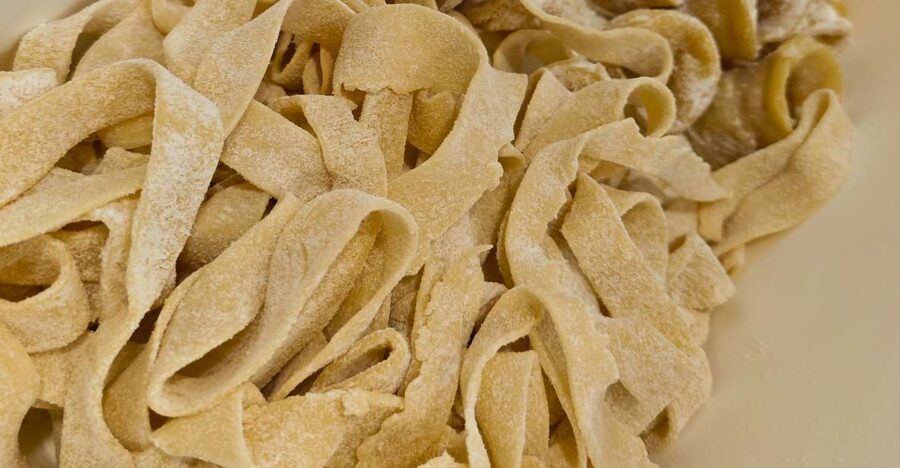
- Three pasta styles: Make tagliatelle, stuffed pasta and maltagliati from egg and durum wheat dough.
- Sicilian sauces: Prepare ragù, pasta alla Norma and Sicilian pesto during the second part of the lesson.
- Professional cooking lab: Learn in a working kitchen rather than simply watching a chef cook.
- A full meal afterward: Taste the pasta you made, paired with excellent Sicilian wine.
- Practical take-home value: Recipes are provided, and the techniques are useful for making fresh pasta at home.
- Flexible booking: The class costs $112.15 per person and allows cancellation up to 24 hours before the start for a full refund.
Making pasta from flour, eggs and durum wheat
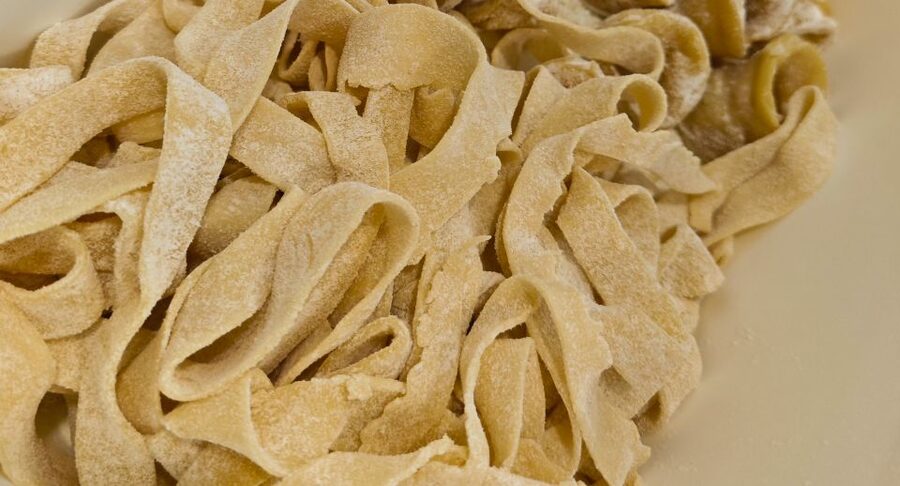
The class begins with the basic material: pasta dough. This is where the experience earns its keep. Rather than handing you a finished plate and calling it a cooking class, the chef shows you how fresh pasta starts and guides you through the stages by hand.
You make two doughs. The first is the familiar egg pasta dough. The second uses durum wheat, a staple in southern Italian cooking and especially fitting for a Sicilian lesson. These doughs behave differently, so you gain a useful comparison instead of learning one recipe and stopping there.
That distinction matters at home. Fresh egg pasta is often soft and flexible, while durum wheat dough gives you another texture and a more traditional Sicilian direction. The point is not only to copy a dish from the class. You learn how different ingredients affect the dough you are making.
The chef teaches the process from raw ingredients through cooking and seasoning. You can expect a practical lesson, with attention to mixing, working and shaping the dough. The class is designed for participation, so be ready to put your hands to work.
More Fresh Pasta Workshops in Italy:
- Rome: Pasta Making Class with Wine, Limoncello, and Dessert
★ 4.9 · 3,177 reviews - Pastamania – Florence Pasta Making Class
★ 5.0 · 3,050 reviews - Enjoy Spritz and Pasta Making in Piazza Navona
★ 5.0 · 1,681 reviews
Three shapes, three different pasta lessons
Once the dough is ready, you use it to make three pasta forms: tagliatelle, stuffed pasta and maltagliati. Each shape calls for a different approach.
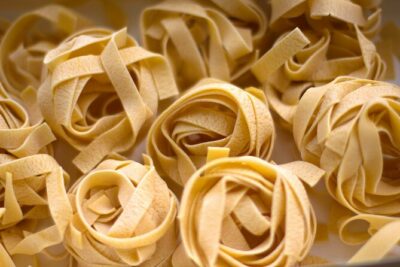
Tagliatelle gives you the classic long, ribbon-like pasta experience. It is familiar, but it also teaches the basic rhythm of rolling and cutting fresh dough. This is likely the most immediately useful shape for home cooks, since it works with many sauces and does not require special equipment beyond a rolling tool and a knife.
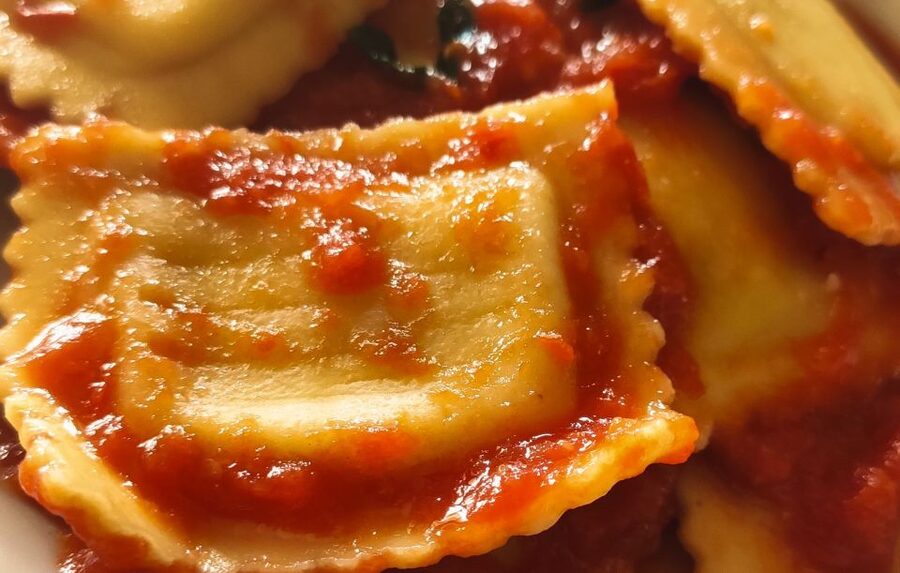
Stuffed pasta adds another skill. You prepare a filling for ravioli, according to the dishes made in the class, then learn how to enclose it in pasta. This takes more care than cutting ribbons. The edges need to be sealed properly, and the filling needs to be portioned sensibly. It is the part of the lesson that may feel most rewarding when the finished pasta holds together.
Maltagliati means irregularly cut pieces, and the shape is intentionally less formal. This is good news if you worry about making every piece identical. The name itself points to rough, uneven cuts, so the result has a relaxed, homemade character.
Making three shapes gives the class a useful range. You see how the same basic idea can produce pasta for a quick sauce, a filled dish or a rustic preparation. You also leave with techniques that do not depend on creating perfect restaurant-style pieces.
Preparing ragù, Norma and Sicilian pesto
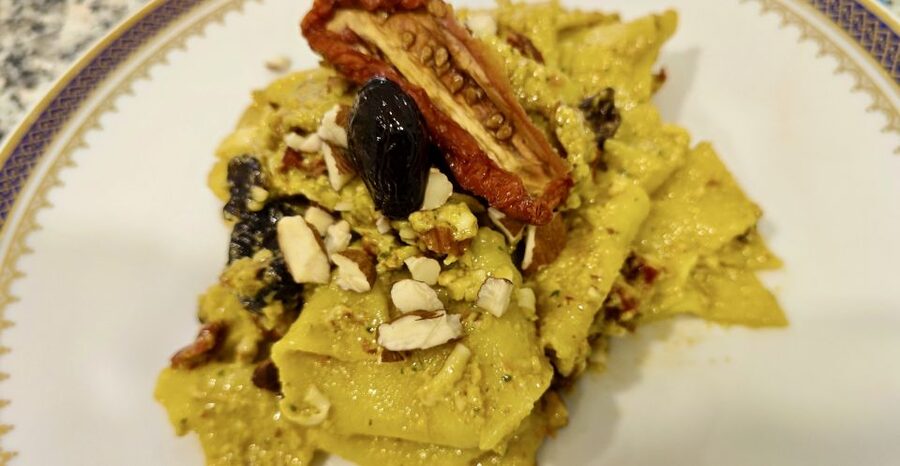
The second phase turns toward sauces. You prepare ragù, Norma and Sicilian pesto, giving the meal three different tastes and giving you several recipes to repeat later.
Ragù is the slow, savory choice. The class includes beef ragù, which pairs naturally with fresh pasta and demonstrates how a sauce can carry a hearty dish. One especially practical feature is that the sauce is made alongside the pasta work, so you can understand how the two parts come together rather than treating the pasta as a separate craft project.
Pasta alla Norma is strongly tied to Sicily. The name refers to a classic combination built around pasta and a Sicilian-style sauce. It gives the lesson a local focus and prevents the menu from becoming a generic Italian cooking class.
Sicilian pesto provides a lighter contrast. You learn a regional version rather than only the pesto most people associate with Liguria. Preparing it in the same class helps you compare a fresh sauce with the heavier ragù and the distinct flavor of Norma.
The sauces are not filler between pasta shapes. They show you how to season and finish the pasta in different ways. If you want a class that teaches several complete dishes, rather than only dough handling, this is one of the stronger parts of the experience.
A professional kitchen with hands-on instruction
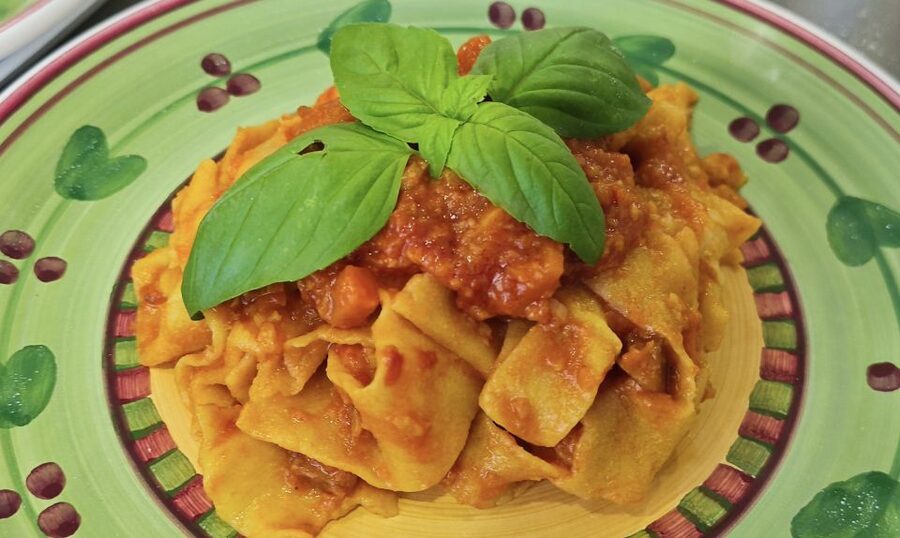
The lesson takes place in a professional cooking laboratory. That setting matters because the chef can demonstrate both preparation and cooking in a space built for the job. You are not simply watching someone make pasta at a dining table.
Chef Simona is described as patient and professional, and the class includes guidance throughout the process. Her mother may also be involved, adding a family touch to the instruction. That combination can make the class feel more personal than a large demonstration, although the available information does not specify the group size.
The teaching languages are English and Italian. If you speak only English, you can still book with confidence based on the stated language options. If you speak Italian, you may enjoy the chance to hear the food explained in its local setting.
One useful sign of the teaching quality is that the class has worked well even for people who already make Italian food and fresh pasta. That suggests the value is not limited to complete beginners. Experienced home cooks may pick up small methods and tips that improve dough, shaping or sauce preparation.
Still, you should set the right expectation. This is a single three-hour session, not professional culinary training. You will learn several techniques, but you will not become an expert in every style of pasta during one visit.
A few more classes around Italy worth a look
- Florence: Pasta Cooking Class with Unlimited Wine
★ 4.9 · 10,285 reviews - 3 in 1 Cooking Class near Navona: Fettuccine, Ravioli & Tiramisu
★ 5.0 · 7,376 reviews - Florence Pizza or Pasta Class with Gelato Making at a Tuscan Farm
★ 5.0 · 6,801 reviews - Florence: Pasta & Tiramisu Cooking Class with Unlimited Wine
★ 4.9 · 6,708 reviews
Sitting down to taste what you made
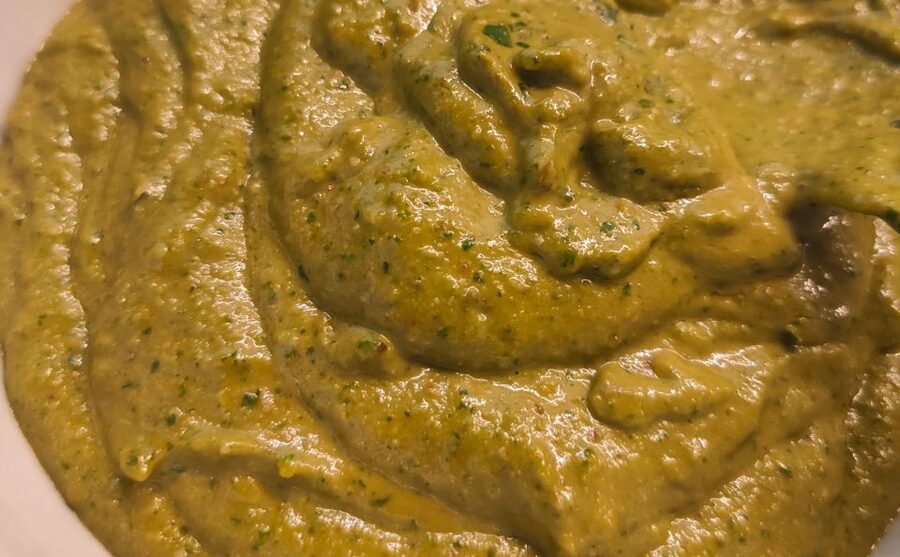
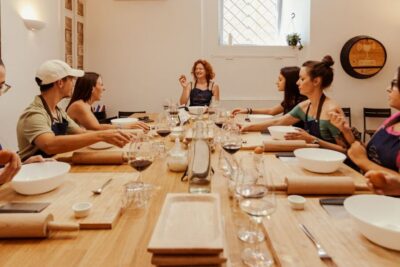
After the preparation, the chef cooks the pasta and you sit down to eat. This final meal is an important part of the price. You are not leaving with dough on your hands and no chance to taste the finished result.
You can expect to sample the pasta and sauces prepared during the class, along with excellent Sicilian wine. Portions have been generous, and one meal has included a refreshing rosé. A bottle of wine has also been given to take home on at least one occasion, but I would treat that as a possible extra rather than a guaranteed part of the package.
The meal gives you a chance to judge the results while the lesson is still fresh. You can see how the pasta texture changes after cooking, which sauces suit each shape and what you might adjust when you repeat the recipes at home.
This is also where the class becomes a proper Sicilian food experience rather than a technical workshop. You prepare the food, then slow down at the table to eat it with wine. For many people, that shared meal will be as important as the pasta lesson itself.
What the $112.15 price includes
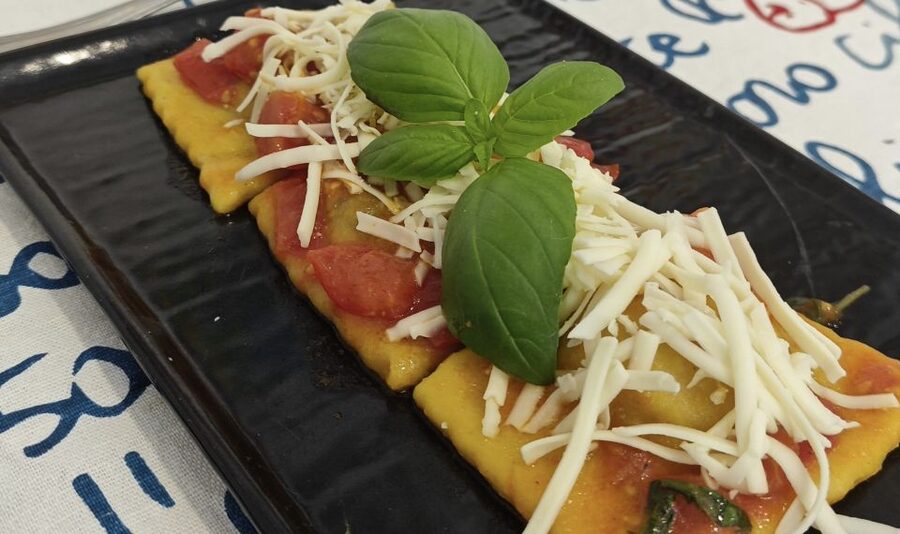
At $112.15 per person, this is not the cheapest way to eat pasta in Sicily. You can find a plate of pasta for far less. The price makes more sense when you count the instruction, ingredients, use of the professional kitchen, three pasta types, three sauces, the meal and the wine.
The class also includes the guidance of a professional chef and the realization of three different pastas. Recipes have been supplied, which improves the long-term value. You can return home and make the dishes again instead of leaving with only a pleasant memory.
The value is strongest if you enjoy cooking. Someone who wants a quick meal may feel the cost is high. Someone who wants a practical lesson, a substantial tasting and recipes to use later may consider it fair.
Generous portions also help. Reports from the experience describe leaving full, with the food itself serving as both the lesson and the lunch or dinner. That makes the class more useful than an activity where you prepare a small sample and then need to find another meal.
The three-hour pace and who should book
The stated duration is three hours, though the lesson is described as taking roughly two to three hours. Check the available starting times when you book, since the schedule is not fixed in the information provided.
You should allow the full block rather than trying to squeeze the class between two tightly timed activities. Dough making, shaping, sauces and a sit-down tasting all take time. The meal at the end is part of the experience, not an afterthought to rush through.
I would recommend this class to:
- First-time pasta makers who want clear, guided instruction
- Couples and families looking for a shared food activity
- Home cooks who already make Italian food but want new techniques
- Anyone interested in Sicilian recipes rather than only general Italian dishes
- People who value a full meal and wine as part of a cooking experience
It may be less suitable if you dislike hands-on work, have only a short gap in your schedule or want a class focused on one pasta shape in great depth. The range here is broad, which is useful, but it means the lesson covers several skills rather than mastering one.
What you can take home
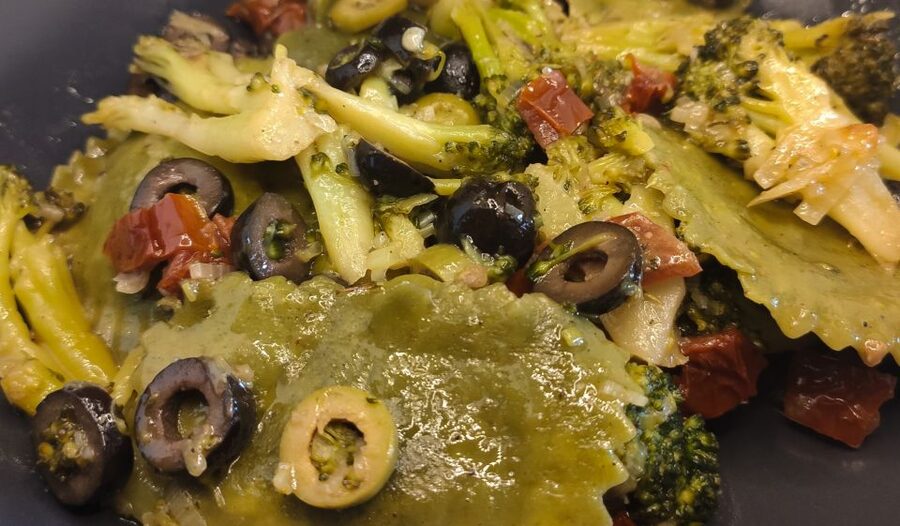
The strongest practical feature is the chance to repeat the food later. The recipes provided after the lesson give you a starting point for tagliatelle, stuffed pasta, maltagliati and the sauces prepared during the session.
You will also have a better sense of how fresh pasta should feel at different stages. That is hard to learn from a printed recipe alone. Seeing the dough, handling it and eating the cooked result helps you judge texture when you make it in your own kitchen.
Do not expect to recreate the exact setting at home. The class takes place in a professional cooking laboratory, so your equipment may be simpler. But the main skills, including dough preparation, shaping and sauce pairing, can be adapted to an ordinary kitchen.
The recipes are especially useful for people who want to keep a food memory alive after returning from Sicily. Cooking the dishes later gives the trip a second life, and the techniques are practical enough to become part of your regular kitchen routine.
Booking, cancellation and language details
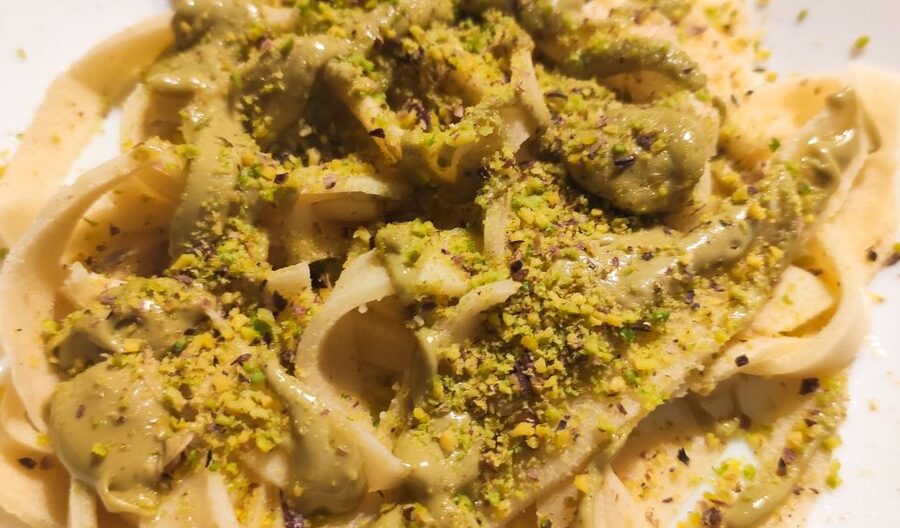
The experience costs $112.15 per person and offers reserve-now, pay-later booking. That lets you hold a place without paying at the time of booking, which is useful when your Sicily schedule is still changing.
You can cancel up to 24 hours in advance for a full refund. Starting times depend on availability, so check the calendar before making other plans.
Instruction is available in English and Italian. The provider is Futuro e Lavoro. The class is listed in Sicily, Italy, but the supplied details do not give a more precise meeting location, transport information or group size, so confirm those points before you finalize your day.
Should you book this Sicilian pasta class?
Book it if you want more than a plate of pasta. You will make two types of dough, shape three kinds of pasta, prepare ragù, Norma and Sicilian pesto, then eat the results with Sicilian wine. That is a full food experience, not a quick demonstration.
The price is reasonable for a three-hour lesson with a professional chef, a substantial tasting and recipes to take home, though it will feel expensive if you mainly want lunch. I would choose it for a relaxed day in Sicily, especially if you enjoy cooking or want a souvenir you can recreate.
The best reason to book is the balance between technique and pleasure. You learn enough to make fresh pasta yourself, but you also get the family-style welcome, the meal and the chance to enjoy local flavors at the table. With a 4.8 rating from 17 reviews, it has a strong record, and the main caution is simply to allow enough time for the full class.
FAQ
How long does the fresh pasta class last?
The activity lasts three hours. The lesson itself is described as taking about two to three hours, and you should allow time for the tasting afterward.
How much does the cooking class cost?
The price is $112.15 per person.
What types of pasta will I make?
You will make tagliatelle, stuffed pasta and maltagliati. The class uses both classic egg pasta dough and Sicilian durum wheat dough.
Which sauces will I prepare?
The class includes ragù, pasta alla Norma and Sicilian pesto.
Is the meal included?
Yes. The chef cooks the pasta you make, and you sit down to taste the finished dishes with Sicilian wine.
Who teaches the class?
The class is taught by a professional chef. Chef Simona is identified as the instructor, with her mother also involved on some occasions.
What languages are available?
Instruction is available in English and Italian.
Can I cancel for a refund?
Yes. You can cancel up to 24 hours in advance for a full refund.
Can I reserve now and pay later?
Yes. The reserve-now, pay-later option lets you book while keeping your payment for later.
Just added around Italy
- Volterra: Fresh Pasta Cooking Class at a Tuscan Farmhouse★ 5.0 · 33 reviews
- Verona: Tortellini Cooking Class and Lunch with Mamma Ivana★ 5.0 · 20 reviews
- Vicenza: Pasta & Tiramisu Cooking Class at a Local’s Home★ 5.0 · 5 reviews
- Verona: My Granny’s secrets making gnocchi★ 5.0 · 7 reviews
- Verona: Prosecco and Pasta Making Class at a Local’s Home★ 5.0 · 10 reviews
- Verona: Pasta Cooking Class with Wine Tasting★ 5.0 · 4 reviews
- Verona: Pasta & Tiramisu Cooking Class at a Local’s Home★ 5.0 · 16 reviews
- Venice: Share Your Pasta Love in a Local’s Home★ 4.8 · 20 reviews
Fresh Pasta Workshops, compared.
Pasta Making Class with Wine, Limoncello, and Dessert
Read our review →
Enjoy Spritz and Pasta Making in Piazza Navona
Read our review →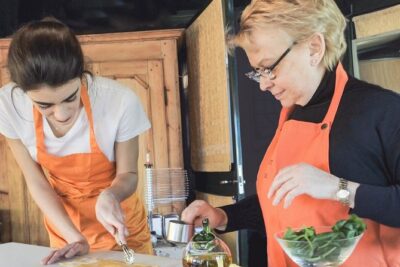
The Secrets to Learn Fresh Pasta and Tiramisù in a Glam Home
Read our review →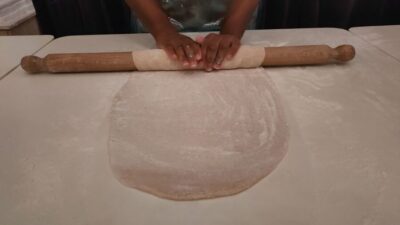
Pasta Making with Wine Tasting and Dinner in Frascati
Read our review →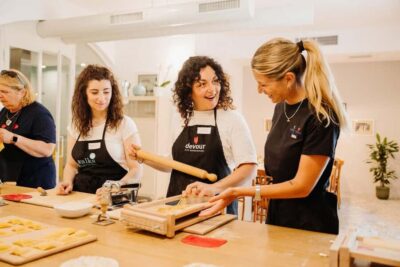
Handmade Pasta & Dessert Class with Unlimited Wine
Read our review →Browse the lists this tour appears in