
REVIEW · SIENA
Siena: Pasta and Tiramisu Cooking Class with Wine
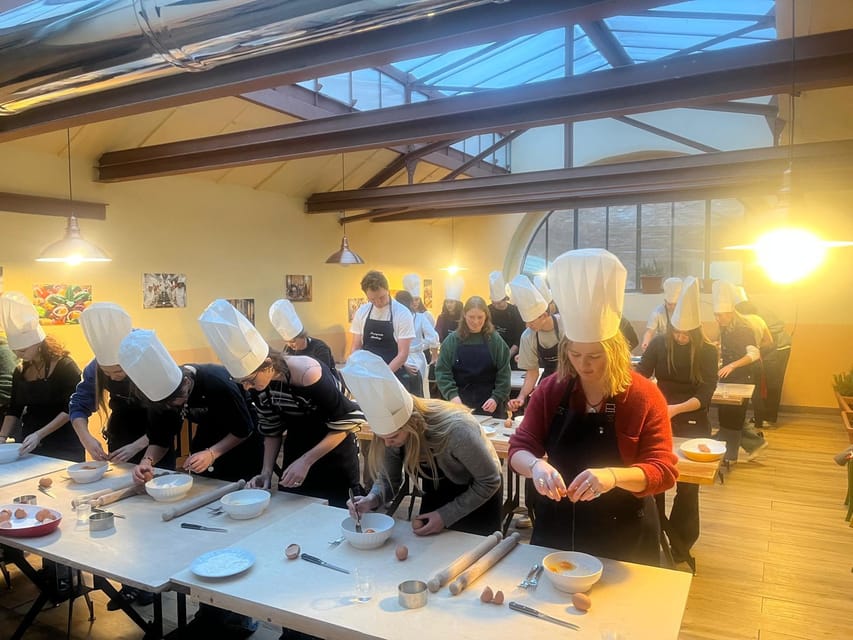
Making pasta in Siena means working with your hands, not just watching a chef perform. You’ll learn three dough styles, including egg pasta, local pici, and potato gnocchi, then sit down to eat what you made with wine.
I like the friendly, social setup and the patient instruction from chefs such as Dennis and Natalia. I also like that the meal is generous, with the restaurant preparing the sauces and serving your pasta in a proper dining setting. The main consideration is that tiramisu may be partly demonstrated rather than fully hands-on, and the class is not suitable for people with serious allergies or gluten, dairy, or egg restrictions.
Key points to know before booking
- Three pasta doughs: Learn traditional egg pasta, egg-free pici, and potato-based gnocchi.
- Siena restaurant setting: Meet at Trattoria Fonte Giusta, begin with Prosecco, and finish with a meal in the restaurant.
- English-speaking instruction: Chefs including Dennis and Natalia explain each step and help you judge the right dough texture.
- A social evening: Groups often include people from several countries, making the meal as much a shared experience as a cooking lesson.
- Plenty to eat: Your homemade pasta and tiramisu are served with a glass of wine, and portions may be generous enough for leftovers.
- Important food warning: Substitutions may be possible, but the teaching remains based on recipes containing gluten, dairy, and eggs, with no guarantee against cross-contamination.
Why this Siena cooking class works so well
A pasta class can be either a useful lesson or a staged photo opportunity. This one leans toward the useful kind. You work at your own station, handle the dough, and get direct guidance on texture and technique. That matters because pasta dough is simple in theory but easy to get wrong in practice.
The class costs $81 per person and lasts three hours. That includes the cooking lesson, apron, equipment, welcome Prosecco, lunch or dinner, and a glass of wine. For Siena, where a restaurant meal and a separate paid activity can quickly add up, the price is fair if you want both a meal and a practical lesson.
I would not book this just to watch someone cook. The appeal is making enough of the food yourself to understand how it comes together, then eating it while chatting with the rest of the group. It is a good use of an afternoon or evening, especially on a rainy day or during a hot spell when a cool teaching kitchen offers a welcome break.
More Tiramisu Classes in Italy:
- 3 in 1 Cooking Class near Navona: Fettuccine, Ravioli & Tiramisu
★ 5.0 · 7,376 reviews - Florence: Pasta & Tiramisu Cooking Class with Unlimited Wine
★ 4.9 · 6,708 reviews - Rome: Pasta & Tiramisu Class with Fine Wine by the Vatican
★ 4.9 · 4,852 reviews
Arriving at Trattoria Fonte Giusta
You meet inside Trattoria Fonte Giusta in Siena. There is no hotel pickup, so you need to make your own way to the restaurant. Enter the restaurant and look for the cooking class area or staff assistance.
The welcome starts with a glass of Prosecco. It is a small detail, but it sets an easy tone before the practical work begins. The class is not presented as a formal culinary school session. It feels more like a relaxed meal with a lesson built into it.
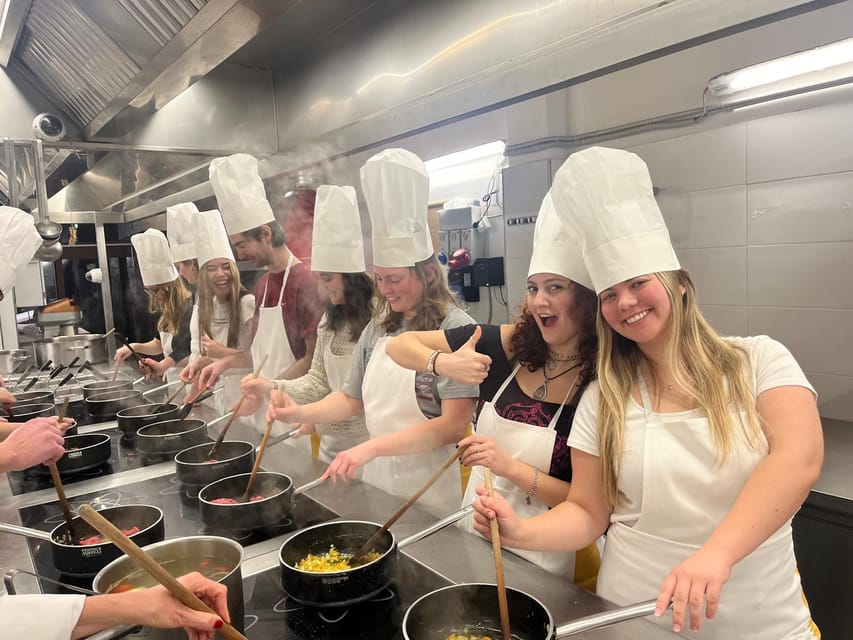
The venue has been described as having a clean, spacious teaching kitchen with air conditioning. That is especially useful in July and August, when rolling dough beside a hot stove could otherwise become tiring. The cooking area may host several groups at once, but each group has its own space and works at its own pace.
Group size can reach about 12 people. That is large enough for a social meal and small enough for the chef to walk around and check your dough. If you prefer a private lesson, this is not the right format. If you enjoy meeting people from different countries, the group arrangement is part of the fun.
Getting your hands into three kinds of pasta dough
After washing your hands and putting on an apron, you go to your workstation. The chef explains the basic process, then shows you what the dough should feel and look like at each stage.
The first dough uses eggs, the traditional base for many fresh pasta styles. This is the dough most people picture when they think of homemade tagliatelle or ravioli. You learn how to bring the ingredients together and work the mixture until it becomes smooth enough to shape.
The second dough is made without eggs for pici, the thick, hand-rolled pasta associated with southern Tuscany. Pici is a useful local lesson because it shows that fresh pasta does not always need a pasta machine or a delicate sheet of dough. Its rustic shape is forgiving, and the hands-on rolling makes it a good choice for beginners.
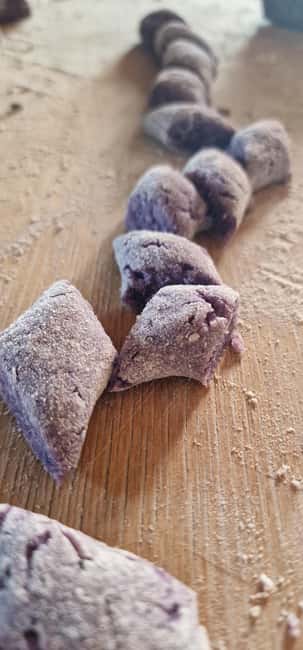
The third dough includes potatoes and becomes gnocchi. This introduces a different texture and a different kind of judgment. Too much flour can make gnocchi heavy, while dough that is too soft can be difficult to handle. The chef’s advice about consistency is one of the most useful parts of the class.
The exact shapes can include tagliatelle, ravioli, pici, and gnocchi. The important point is that you are not simply mixing one dough and calling it a pasta class. You get a look at three different approaches to Italian pasta making.
Chef Dennis has received praise for keeping the lesson light and clear, while Natalia has been singled out for patient, helpful instruction. Names and instructors can change, but the class is designed for beginners. You do not need advanced cooking skills, and the teaching includes enough help for people who have never made pasta before.
What you make, and what the restaurant prepares
One detail is worth understanding before you book: you make the pasta, but the restaurant generally prepares the sauces. That is not a flaw, but it sets the right expectation.
You are learning the part of the meal that most home cooks find hardest to repeat, including the dough, shaping, and handling. The kitchen then finishes the pasta with sauces and serves it to you in the restaurant. This keeps the class moving and lets you enjoy a more polished meal than you might produce at your workstation.
The sauces can include tomato and meat sauce, with the final choices depending on the class. The pasta is served as a shared meal after the cooking portion, rather than eaten standing at your workbench. That change of pace is welcome after several rounds of kneading and shaping.
You also get a glass of red or white wine with the meal. The wine is not a tasting course or a winery visit. It is simply a pleasant Tuscan pairing for the food you have helped prepare.
Portions are generous. Some participants have been offered a doggy bag for leftovers, though you should not count on this as a guaranteed part of every session. Plan on arriving hungry, but do not eat an enormous lunch first.
More Pasta Classes with Wine in Italy:
- Florence: Pasta Cooking Class with Unlimited Wine
★ 4.9 · 10,285 reviews - Florence: Pasta Cooking Class with Unlimited Wine
★ 5.0 · 6,413 reviews - Rome: Pasta Making Class with Wine, Limoncello, and Dessert
★ 4.9 · 3,177 reviews - Rome Cooking Class: Make Pasta and 3 Spritz Cocktails
★ 5.0 · 2,937 reviews
The tiramisu lesson is slower and less hands-on
Once the pasta work is done, the class turns to tiramisu. This gives you a chance to sit down and rest your legs while the chef explains how to make the cream and combine the ingredients.
You construct your own tiramisu, but the teaching may be more demonstration-based than the pasta section. One participant specifically noted that the chef demonstrated the tiramisu rather than making every stage fully hands-on. If you want a pastry workshop with detailed practice, this may feel brief.
Still, tiramisu is a smart choice for this type of class. The method is approachable, the ingredients are familiar, and you leave with a dessert you can repeat at home. The lesson focuses on the cream and the basic technique rather than advanced pastry work.
The contrast between the two parts works well. Pasta is active and physical. Tiramisu is calmer and gives the group time to listen, talk, and take a break before dinner.
Sitting down to eat with people from around the world
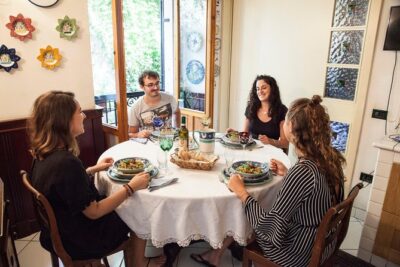
The final meal is where the class becomes more than a cooking demonstration. You sit with the other participants, eat the pasta and tiramisu, and continue the conversation over wine.
Groups can include people from the United States, Australia, the United Kingdom, Sweden, Mexico, Korea, Brazil, and other countries. That mix is not guaranteed, of course, but the format encourages conversation. Solo visitors can fit in easily because everyone has already spent the class working side by side.
I would choose this activity if you want a social evening rather than a quiet, private dinner. Couples can enjoy it together, families can join in, and solo visitors have a natural way to meet people. One family even brought a 12-year-old granddaughter who enjoyed the class, though the formal age restriction rules out children under three.
The meal is also a useful chance to compare the different pasta shapes. You can taste how egg pasta differs from pici and how gnocchi changes the texture of the meal. Those small comparisons make the lesson more memorable than simply being handed a bowl of pasta.
Value at $81 per person
At $81, this is not the cheapest meal in Siena. You can find a simple plate of pasta for far less. The question is what you want the money to cover.
Here, the price includes three hours of instruction, ingredients, apron and equipment, Prosecco, the meal, dessert, and wine. You also get recipes or useful tips to take home, according to the class experience. If you would otherwise pay for a restaurant dinner and a separate activity, the combined value is solid.
The class is particularly good value for people who want a practical souvenir. A photograph of pasta fades quickly. Knowing how to make egg dough, pici, gnocchi, and tiramisu can stay with you for years, provided you practice at home.
The value is weaker if you are mainly looking for a serious chef’s course. The instruction is aimed at beginners, and the restaurant handles the sauces. You are gaining confidence and a basic method, not professional kitchen training.
The three-hour length is also about right. A shorter class would feel rushed, while a much longer one could become tiring, especially after eating. Allow extra time around the official duration if you have evening plans, since the meal and conversation are part of the experience.
Food restrictions need careful attention
The booking information says dietary options are available, and you should tell the provider about your needs when booking. At the same time, the activity is listed as unsuitable for vegans, people with food allergies, people with gluten intolerance, and people with lactose intolerance.
The reason is important. Substitutions may be offered for food preferences or allergies, but the teaching remains focused on traditional recipes containing gluten, dairy, and eggs. The provider cannot guarantee complete protection from cross-contamination.
Do not assume that a substitute makes the class safe for a serious allergy or intolerance. Contact the activity provider before booking and explain exactly what you cannot eat. If you need a fully vegan, gluten-free, dairy-free, or allergy-controlled kitchen, choose a class built around those needs instead.
You will sample the food you prepare. This is not a demonstration where you watch other people eat the finished dishes, so food restrictions are central to the decision.
Who should book this class
I would recommend this for:
- First-time pasta makers who want clear, friendly instruction
- Couples looking for a shared activity beyond sightseeing
- Solo visitors who enjoy meeting people at the table
- Families with older children who can follow kitchen instructions
- Food lovers who want a practical Tuscan skill to take home
- Visitors looking for an indoor activity during bad weather or intense summer heat
I would think twice if you dislike group activities, want a private chef, or expect to prepare every part of the meal yourself. It is also a poor choice for anyone with a serious food allergy or an intolerance that makes traditional pasta and tiramisu unsafe.
The class is suitable for all cooking abilities, but you should expect a basic lesson rather than an advanced one. The reward is the relaxed pace, the meal, and the chance to leave with techniques you can actually use.
Booking details that matter
The activity is offered in English with a live guide. Starting times vary, so check availability for your date. You can reserve now and pay later, which helps if your Siena schedule is still changing.
Free cancellation is available up to 24 hours before the activity for a full refund. Hotel pickup and drop-off are not included, so plan your route to Trattoria Fonte Giusta before the class begins.
Tell the provider about allergies and dietary restrictions at the time of booking, even if you only have a food preference. The kitchen may be able to offer substitutes, but no substitute should be treated as a guarantee of an allergen-free meal.
Should you book the Siena pasta and tiramisu class?
Book it if you want a friendly, hands-on introduction to Tuscan pasta, followed by a generous meal and wine. The strongest parts are the three dough styles, the patient chef-led guidance, the cool and well-organized teaching space, and the easy social atmosphere around the final table.
Skip it if you need strict dietary control, dislike group dining, or want a fully hands-on pastry course. For most food-loving visitors, though, $81 buys more than dinner. You get a useful lesson, a taste of local pasta traditions, and an evening that gives Siena a personal flavor beyond its famous streets and monuments.
FAQ
Where does the Siena cooking class take place?
The meeting point is Trattoria Fonte Giusta in Siena. You should enter the restaurant when you arrive.
How long does the cooking class last?
The experience lasts three hours, including the cooking lesson and the meal.
What pasta will I learn to make?
You learn three dough styles: traditional egg pasta, egg-free pici, and potato-based gnocchi. Shapes can include pasta such as tagliatelle and ravioli.
Is tiramisu fully hands-on?
You help construct your tiramisu, while the chef explains and demonstrates how to make the cream. Some parts may be more demonstration-based than the pasta lesson.
Are drinks included?
Yes. You receive a welcome glass of Prosecco and a glass of wine with your meal.
Can I request food substitutions?
Dietary options may be available, so tell the activity provider about your needs when booking. The class still focuses on traditional recipes containing gluten, dairy, and eggs, and cross-contamination cannot be ruled out.
Is hotel transportation included?
No. Hotel pickup and drop-off are not included, so you must reach Trattoria Fonte Giusta on your own.
More Wine Tastings in Italy
- Learn to Make Pasta & Tiramisu with Wine and Limoncello Included
★ 5.0 · 2,345 reviews - Florence: Cooking Class Pasta & Tiramisu Making Unlimited Wine
★ 5.0 · 2,234 reviews - Fettuccine & Tiramisù: Cooking Class with Wine & Limoncello
★ 4.9 · 2,103 reviews - Sorrento: Pizza Lesson, Wine, and Limoncello at a Local Farm
★ 5.0 · 1,513 reviews
Just added around Italy
- Volterra: Fresh Pasta Cooking Class at a Tuscan Farmhouse★ 5.0 · 33 reviews
- Verona: Tortellini Cooking Class and Lunch with Mamma Ivana★ 5.0 · 20 reviews
- Vicenza: Pasta & Tiramisu Cooking Class at a Local’s Home★ 5.0 · 5 reviews
- Verona: My Granny’s secrets making gnocchi★ 5.0 · 7 reviews
- Verona: Prosecco and Pasta Making Class at a Local’s Home★ 5.0 · 10 reviews
- Verona: Pasta Cooking Class with Wine Tasting★ 5.0 · 4 reviews
- Verona: Pasta & Tiramisu Cooking Class at a Local’s Home★ 5.0 · 16 reviews
- Valnerina/Pasta cooking class in a 12th century location★ 4.8 · 9 reviews
Siena Pasta Classes, compared.
Pasta and Tiramisu Small Group Cooking Class with Wine
Read our review →
Cesarine: Small group Pasta and Tiramisu class in Siena
Read our review →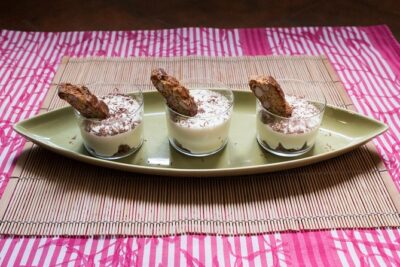
Cesarine: Pasta & Tiramisu Class at a Local’s Home in Siena
Read our review →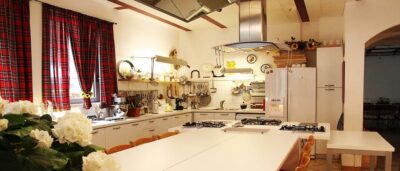
Traditional Tuscan Cooking Class with Fresh Pasta
Read our review →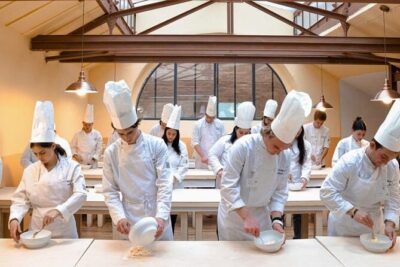
Tuscan, Italian, tiramisu cooking class and tasting 3 wines
Read our review →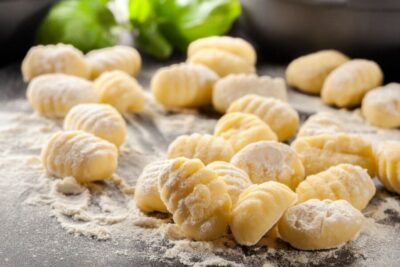
Browse the lists this tour appears in