
REVIEW · BARI
Bari: Pasta & Tiramisu Cooking Class at a Local’s Home
The best part of this Bari experience happens around a family table, not in a restaurant kitchen. You learn to roll sfoglia, prepare two fresh pasta dishes, and make tiramisu with a local home cook, then sit down to eat what you made.
I like the hands-on pasta work, since you learn a skill you can repeat at home. I also like the chance to meet a real local family, as Fernanda and Juanita have done with warm, personal hosting. The main consideration is practical: the full address comes only after booking, and the home is not suitable for wheelchair users.
Key points to know before booking
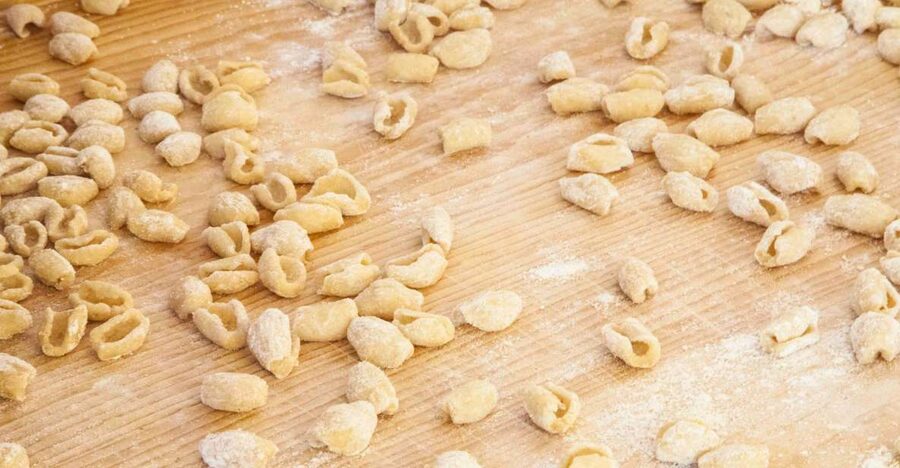
- Two pasta styles from scratch: You learn to make fresh dough and prepare two traditional pasta dishes.
- A local home instead of a formal school: The class takes place in a private residence through Cesarine, Italy’s home-cook network.
- Tiramisu is part of the lesson: You prepare the dessert yourself, not just watch it arrive after dinner.
- A full meal is included: Prosecco and nibbles begin the class, followed by pasta, tiramisu, wine, water, and coffee.
- Hosts can make the experience personal: Past sessions with Fernanda, Cristiana, Sera, and Juanita included family cooking, garden ingredients, and patient instruction.
- Three hours is a useful middle ground: You get time to cook and eat without giving up an entire day in Bari.
Why a Bari home kitchen beats a standard cooking class
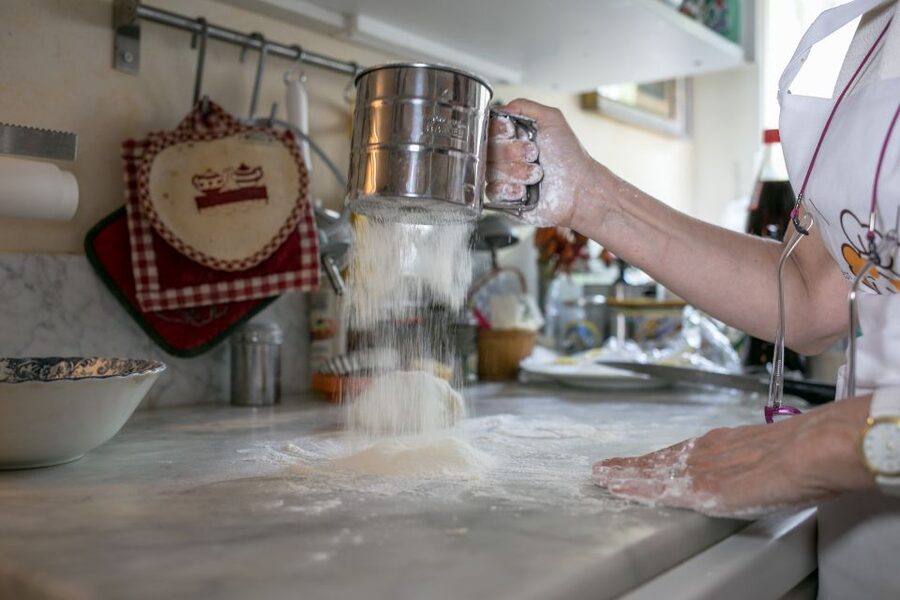
Bari is a good place to learn pasta because food here is tied closely to the home. This is not a demonstration where you sit at a counter and watch a chef toss dough. You take part, get flour on your hands, and learn how fresh pasta begins with basic ingredients and a practiced touch.
Cesarine connects you with local home cooks in more than 500 Italian cities. In Bari, the idea is simple: the host opens her own home and cooks from family recipes tied to regional food traditions. That gives the class a more personal setting than a commercial cooking studio, though it also means every session may have its own rhythm and character.
You should expect instruction in Italian and English. The class is shared with other people who enjoy Italian food, so it works well if you like social activities rather than private lessons. You will have a chance to talk, cook, and eat together, but the exact number of people is not provided.
The setting matters. A private home may feel more relaxed and genuine, but it is not designed like a professional culinary school. Space, seating, and kitchen layout will depend on your host. I would choose this experience for local contact and family food, not for polished equipment or restaurant-style presentation.
More Tiramisu Classes in Bari:
- Bari: Pasta and Tiramisu Cooking Class with Wine
★ 5.0 · 273 reviews - Cesarine: Small group Pasta and Tiramisu class in Bari
★ 5.0 · 56 reviews - Cooking class of Tagliatelle and Tiramisu in Altamura
★ 5.0 · 7 reviews
Starting with prosecco and the first kitchen lesson
The class includes an Italian aperitivo of prosecco and small nibbles. This gives you an easy start while the host explains the plan and introduces the basic ingredients.
The opening drink is more than a bonus. It sets the tone for a meal built around conversation. If you arrive after a busy morning in Bari, this short pause helps you settle in before working with dough. It also gives you a chance to ask about ingredients, food traditions, and the steps ahead.
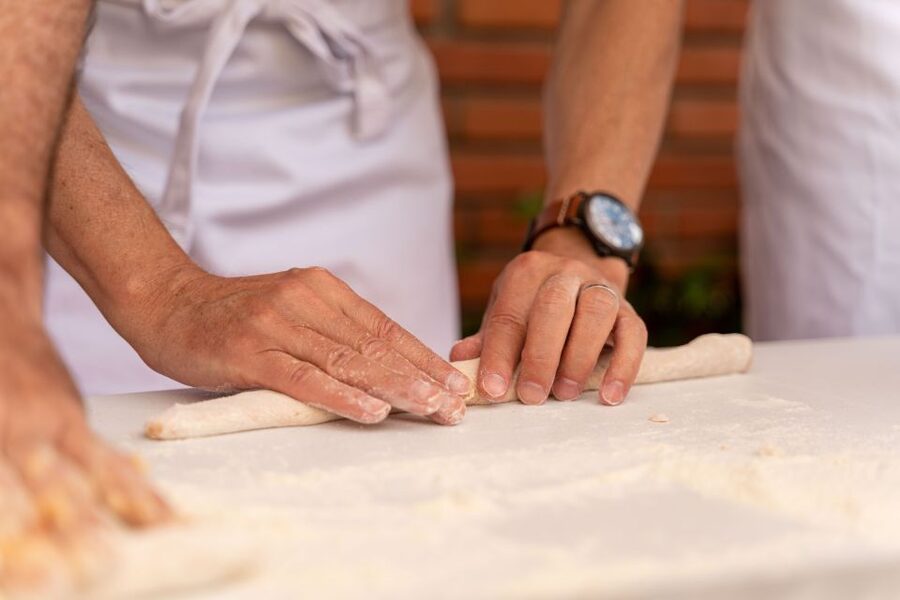
The host then shows you how to make fresh pasta from scratch. One key lesson is rolling sfoglia, the thin sheet of pasta dough made by hand. You learn how the dough changes as you knead and roll it, and how to judge its thickness by sight and feel.
The class is designed around two simple pasta types. The exact shapes and sauces are not specified in advance, which is worth noting. Your host’s regional recipes and family methods will guide the meal, so you may not receive the same dishes every time.
That variation is part of the appeal. You are not following a fixed restaurant menu. You are learning the sort of food an Italian home cook might prepare for family, with local ingredients and techniques passed down through the household.
Rolling sfoglia and making two pasta dishes
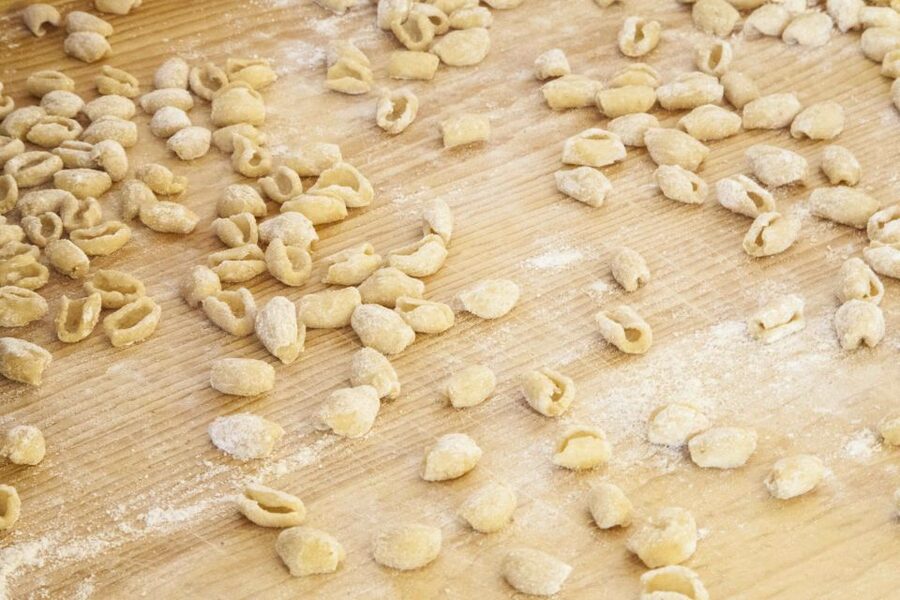
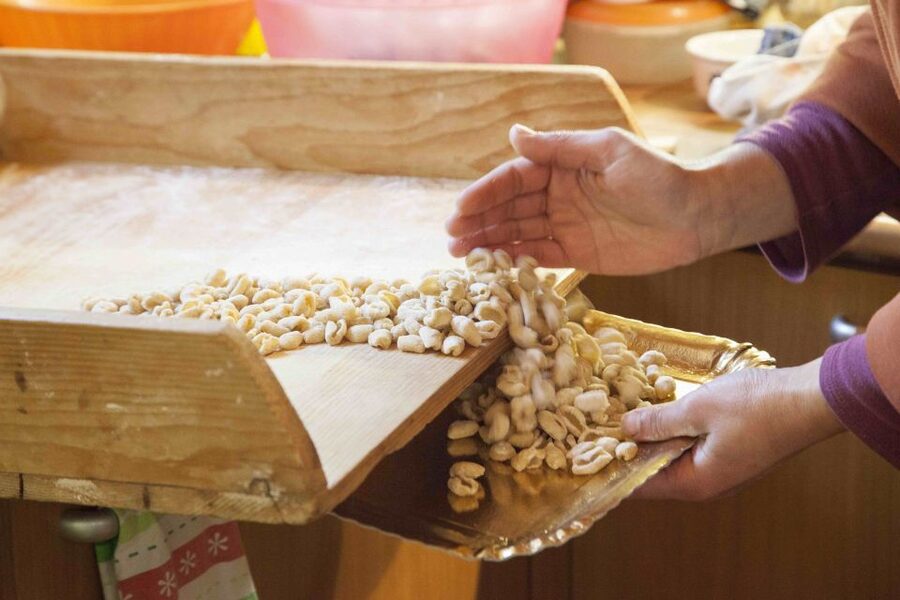
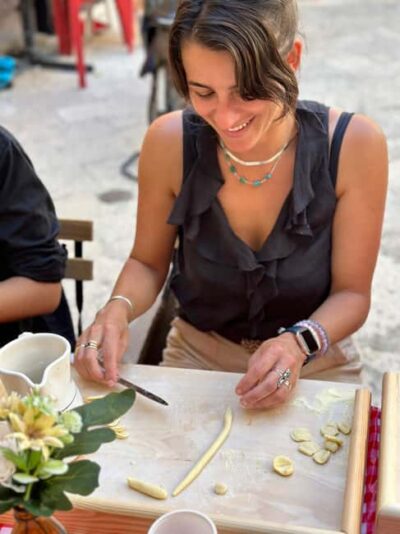
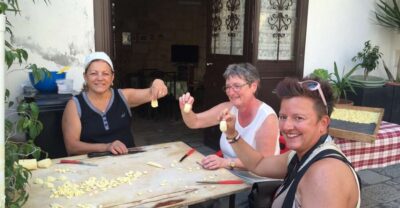
The pasta lesson is the heart of the experience. You prepare the dough by hand, roll it into sheets, and then turn it into two different pasta dishes. The supplied details describe the recipes as simple and iconic, making this suitable for someone with little or no cooking experience.
You should still expect to work. This is not a passive food tasting. Your host teaches the method, but you take part in shaping, preparing, and cooking the pasta. That makes the final meal more satisfying, since you can trace each dish from raw dough to your plate.
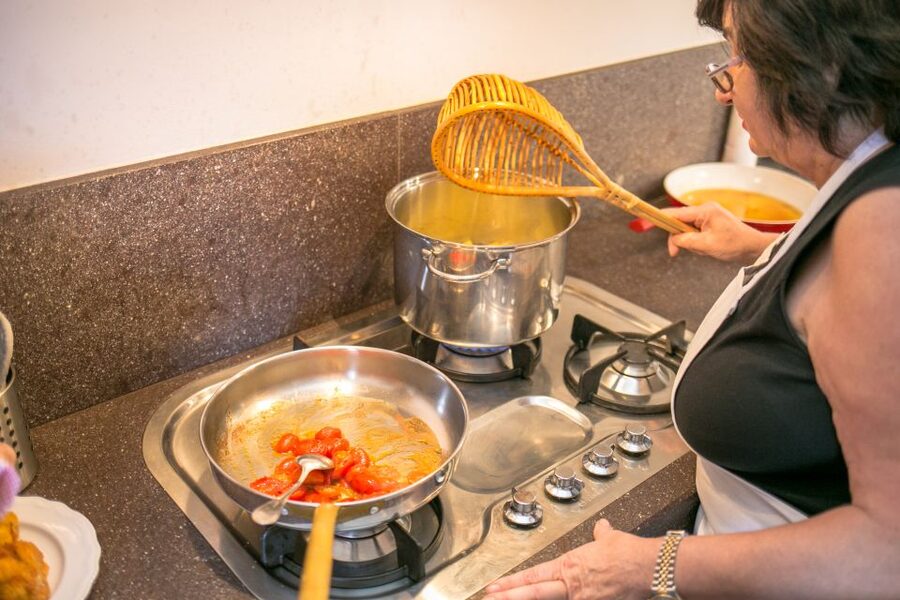
Past sessions with Fernanda included pasta made from semolina and warm water by hand, then cooked with tomatoes and olive oil. Those ingredients are basic, but the lesson shows why Italian cooking often depends more on technique and freshness than on a long ingredient list.
Another session included ingredients grown in the host’s garden. That detail is not guaranteed for every booking, but it shows the kind of home-based cooking you might encounter. The food may feel connected to the host’s own kitchen and family habits rather than pulled from a standard class recipe sheet.
Some past sessions prepared three types of pasta, while the experience description promises two pasta types. Plan on two, and consider anything extra a possible variation rather than part of the fixed offer.
The meal is also a useful chance to ask questions. You can learn how thin to roll the dough, how to handle semolina, and how to pair a simple sauce with fresh pasta. Since you receive tips for recreating the food at home, bring a note on your phone if you want to remember a particular method.
Tiramisu made before the meal
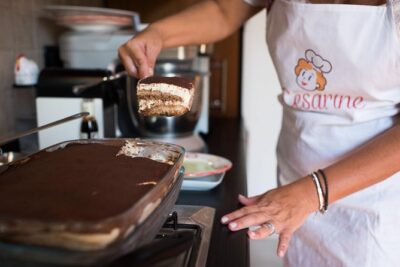
Tiramisu gives the class a welcome change of pace. After working with pasta dough, you learn to assemble one of Italy’s best-known desserts.
The important point is that you make it yourself. It is not simply added to the meal as a finished dessert. You learn the preparation with your host, then eat the result later.
The provided details do not specify the exact tiramisu recipe or ingredients, so you should not expect a particular regional variation. The value is in learning the basic process and seeing how a home cook handles the dessert.
Making tiramisu earlier in the class also makes practical sense. The dessert can rest while you finish the pasta and sit down for the meal. That keeps the three-hour schedule moving without making the meal feel rushed.
If you are booking with a family member or friend, the dessert is an easy part of the class to share. Pasta requires more hands-on work, while tiramisu gives you a second Italian staple to repeat in your own kitchen.
A few more classes around Bari worth a look
- Bari: Pasta Experience Walking Tour
★ 4.7 · 660 reviews - Bari Walking Tour with Pasta Experience
★ 4.5 · 270 reviews - Apulian Cooking Class with Aperitif and Wine in Polignano a Mare
★ 5.0 · 89 reviews - Bari Bike Tour with Pasta Experience
★ 5.0 · 87 reviews
Sitting down to eat what you prepared
The class includes lunch or dinner made from the two pasta recipes and the tiramisu. Beverages include water, local wines, and coffee, in addition to the prosecco and nibbles served at the beginning.
This is where the activity earns much of its price. You are not paying only for a lesson. You are also receiving a prepared meal, drinks, and several hours in a private home with a local host.
The meal should feel like the natural finish to the cooking rather than a separate restaurant course. You have handled the dough, prepared the recipes, and watched the pasta come together. Eating it at the same table gives the class a clear beginning, middle, and end.
Past sessions with Fernanda included a meal with her family, and the food was described as fresh and closely tied to her home cooking. Another session with Juanita created the feeling of being welcomed into a family setting while learning pasta and tiramisu. These details point to the main strength of the experience: the human connection.
You should keep your expectations sensible. This is a home meal, not a tasting menu. Portion sizes, table arrangements, and the level of family participation may vary by host. If you want a formal lesson with exact measurements and a printed curriculum, a cooking school may suit you better.
If you want to talk with a local, share food, and leave with a few practical cooking skills, the home setting is the better fit.
What the named hosts tell you about the experience
Several host names appear in past sessions, including Cristiana, Fernanda, Sera, and Juanita. You are not promised one particular person when booking, but these accounts show the range of hosting styles you may encounter.
Cristiana was described as a strong host for the class itself, with a clear recommendation for the activity. Fernanda hosted with her family and taught pasta made from semolina and warm water. Her garden supplied some ingredients in one session, adding a direct connection between the home and the food.
Fernanda and Sera were also praised together as warm and welcoming hosts. Juanita’s session focused on patient instruction and the feeling of being treated like part of the family.
These details are useful when deciding what sort of experience you are buying. The host is not just a cooking instructor. She is the person who shapes the whole afternoon or evening, from the welcome drink to the final coffee.
You should also understand that a home cook may teach differently from a trained chef. That can mean more personal stories, flexible methods, and family tips. It can also mean less formal structure. For this activity, that tradeoff is the point.
The $112.15 price and what it includes
At $112.15 per person, this is not the cheapest meal you can find in Bari. The value depends on how much you want from the visit.
For the price, you receive a three-hour pasta and tiramisu class, an aperitivo with prosecco and nibbles, a meal of the recipes you prepare, wine, water, and coffee. You also receive instruction in English or Italian and the setting of a local home.
I think the price is reasonable if you would otherwise pay separately for a meal and a cooking class. You are getting both, plus the social setting and the chance to learn recipes you can use again. The value is stronger for people who care about food culture and personal contact.
It is less compelling if you only want to eat pasta. Bari has plenty of places where you can order a good meal for less money. This activity makes sense when the process matters as much as the plate.
The three-hour length helps. A shorter class could feel rushed, while a full-day course might take too much time from a short Bari visit. This is long enough for two pasta preparations, tiramisu, and a shared meal without taking over your entire day.
Practical details that affect your choice
The exact address is private and sent only after booking. You will be asked for the neighborhood where you are staying and how you plan to reach the host’s home. You should provide those details, along with any allergies or food intolerances, when booking or by email with your booking reference and name.
This matching process matters because the host is selected with your location and food needs in mind. Do not wait until the day of the class to raise an allergy concern. Send the information early so the operations team can respond.
The full address is not included before booking, so this is not the best choice if you need to know the precise location before committing. You should also allow enough time to reach a residential address, since the meeting point is not a public landmark.
The activity is not suitable for wheelchair users. The language options are Italian and English. You can cancel up to 24 hours before the start for a full refund, and you can reserve now and pay later, which helps if your Bari schedule is still changing.
Starting times vary, so check availability before planning other activities around it. Since the experience lasts three hours, avoid booking a tight connection or a timed museum visit immediately afterward.
Who will enjoy this class most
I would recommend it to couples, families, solo visitors who like social activities, and anyone who wants more than a restaurant meal. It is especially useful early in an Italy trip, when you can put the pasta techniques to use later.
It also suits people who enjoy learning by doing. If you want to knead, roll, shape, taste, and ask questions, you will get much more from the class than someone who prefers a quiet meal.
Families should check the practical details before booking, especially accessibility and food allergies. The shared format can work well for a family group, but the private-home setting means you should be comfortable with a less formal environment.
I would hesitate if you have a strict need for a wheelchair-accessible venue, a guaranteed specific host, or a fixed menu. I would also skip it if you dislike shared meals or do not want to spend three hours on food.
Should you book the Bari pasta and tiramisu class?
Book it if you want to meet a local home cook and learn food you can make again. The strongest parts are the handmade sfoglia lesson, the full meal, the wine and coffee, and the chance to cook with hosts such as Fernanda, Cristiana, Sera, or Juanita, depending on your match.
The main tradeoff is uncertainty. You do not know the exact host, address, pasta shapes, or menu before booking. You also need to share allergy and location details in advance, and the home is not wheelchair accessible.
For most food-focused visitors, that flexibility is a fair price for a more personal experience. If your idea of Italy includes a family table, fresh pasta under your fingers, and tiramisu made before dinner, this is a strong Bari pick.
FAQ
How long does the pasta and tiramisu class last?
The experience lasts three hours. Check availability for the starting times offered on your chosen date.
What will I learn to make?
You will learn to roll fresh sfoglia by hand, prepare two different iconic pasta types from scratch, and make tiramisu.
Is a meal included?
Yes. You eat the two pasta recipes and the tiramisu prepared during the class.
What drinks are included?
The experience includes prosecco and nibbles for the aperitivo, along with water, wine, and coffee during the meal.
Where does the class take place?
The class takes place in a local home in Bari. For privacy, the full address is sent after you book.
Which languages are available?
The class is available in Italian and English.
Can I tell the host about allergies or food intolerances?
Yes. You should provide information about food intolerances and allergies when booking or email it with your booking reference and name.
Is the activity wheelchair accessible?
No. The experience is not suitable for wheelchair users.
Can I cancel for a refund?
Yes. You can cancel up to 24 hours in advance for a full refund. You can also reserve now and pay later.
Just added around Bari
- Cesarine: Private Pasta Class & Meal at Local’s Home in Bari★ 5.0 · 4 reviews
- Cesarine: Small group Pasta and Tiramisu class in Bari★ 5.0 · 56 reviews
- People of Bari unusual guided tour with pasta making at Grandma house★ 5.0 · 54 reviews
- Cesarine: Pasta & Tiramisu Class at Local’s Home in Bari★ 5.0 · 2 reviews
- Fresh pasta and dinner in my biogarden★ 5.0 · 8 reviews
- Premium Cooking Class in Bari: Pasta & Tiramisu, free wine bottle★ 5.0 · 2 reviews
- Artisanal ice cream pasta course in Castellana caves★ 5.0 · 6 reviews
- Cooking class of Tagliatelle and Tiramisu in Altamura★ 5.0 · 7 reviews
Bari Pasta Classes, compared.
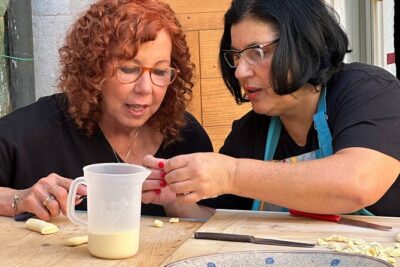
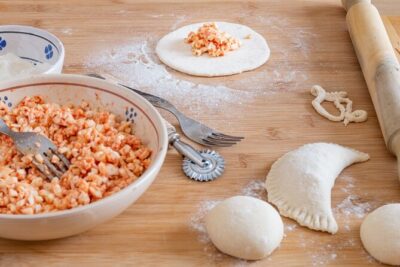
Apulian Cooking Class with Aperitif and Wine in Polignano a Mare
Read our review →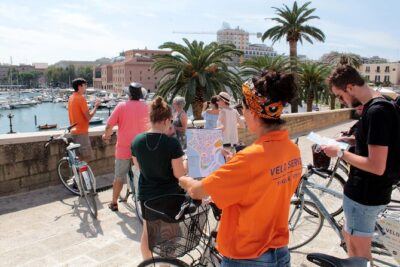
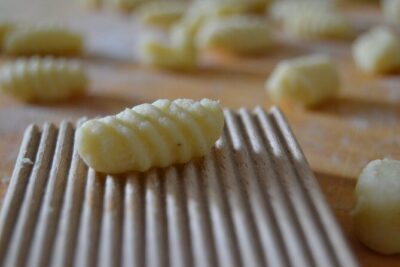
Cesarine: Small group Pasta and Tiramisu class in Bari
Read our review →Browse the lists this tour appears in