
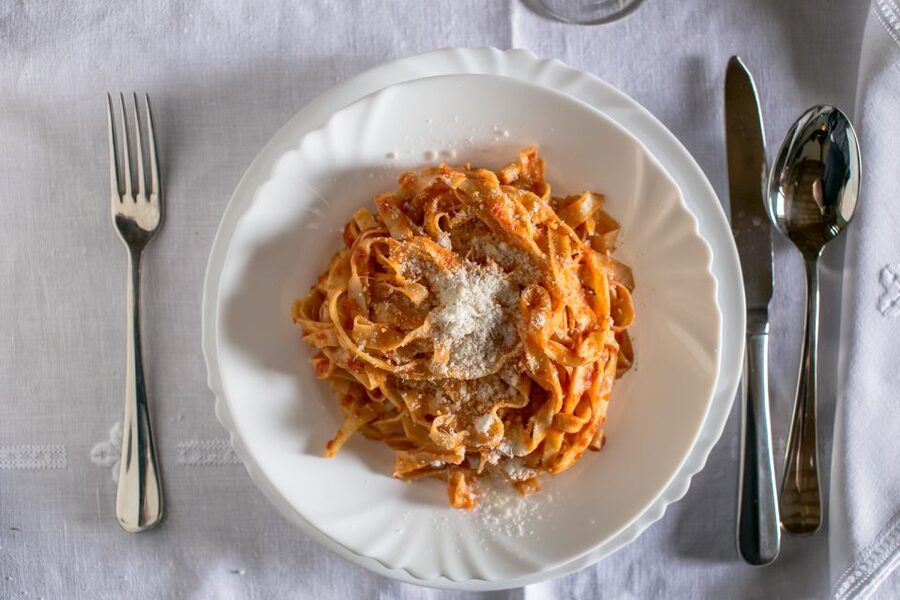
REVIEW · PERUGIA
Perugia: Private Pasta-Making Class at a Local’s Home
The best part of this Perugia experience is that the cooking happens in a local family home, not a busy restaurant kitchen. You work through three regional pasta recipes, roll and shape the dough yourself, then sit down to eat the results with local wine. It is part cooking lesson, part relaxed meal around a family table.
I like the private-group format, which gives you room to ask questions and work at your own pace. I also like the personal teaching style. Eleonora is described as patient with rolling techniques, while Laura brings easy conversation and a calm teaching manner. The class is a good fit if you want food, conversation, and hands-on work in the same three-hour visit.
The main consideration is the price: $164.26 per person is a serious sum for a pasta class. You are paying for a private home setting, three dishes, drinks, and personal instruction, not just a plate of pasta. The exact address is also provided only after booking, so you need to plan around the meeting instructions sent by the local partner.
Key points at a glance
- Three regional recipes: You learn the methods behind three local pasta dishes rather than watching one quick demonstration.
- A private home setting: The class takes place in a local family’s home, with the address shared after booking.
- Personal workstations: Each participant has utensils and ingredients ready for hands-on preparation.
- Patient instruction: Hosts such as Eleonora and Laura focus on practical skills, including rolling dough.
- A complete meal afterward: You taste the three pasta dishes you prepare, with water, wine, and coffee included.
- Flexible food needs: Vegetarian, vegan, and gluten-free requests can be arranged if you tell the local partner when booking.
Why a home kitchen changes the experience
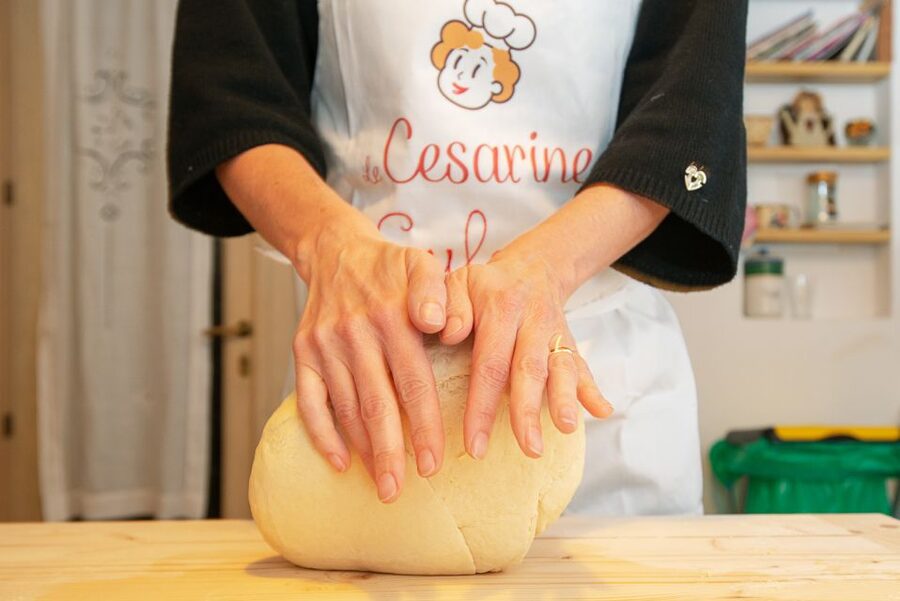
Cooking in a private home gives this activity a different feel from a standard culinary school. You are not simply following a chef through a polished restaurant routine. You are entering a family space and learning recipes connected to home cooking in Umbria.
That setting matters because pasta is often less about fancy equipment than about feel. You need to notice how the dough behaves, how thin to roll it, and how much filling or sauce it can handle. A host can watch your hands, correct your technique, and show you a small trick that may not make it into a printed recipe.
The private format should also help the pace. You will not be one person among a large class trying to see a demonstration from the back. Each participant gets a workstation with the needed ingredients and utensils. You can ask for help when the dough resists, and you can repeat a movement until it makes sense.
The home setting does have a practical tradeoff. You do not receive the full address until after booking, and the meeting point may require careful planning. The local partner sends exact instructions, so check those details before setting off and leave enough time to reach the home.
More Fresh Pasta Workshops in Italy:
- Rome: Pasta Making Class with Wine, Limoncello, and Dessert
★ 4.9 · 3,177 reviews - Pastamania – Florence Pasta Making Class
★ 5.0 · 3,050 reviews - Enjoy Spritz and Pasta Making in Piazza Navona
★ 5.0 · 1,681 reviews
Three pasta recipes, not one quick demonstration
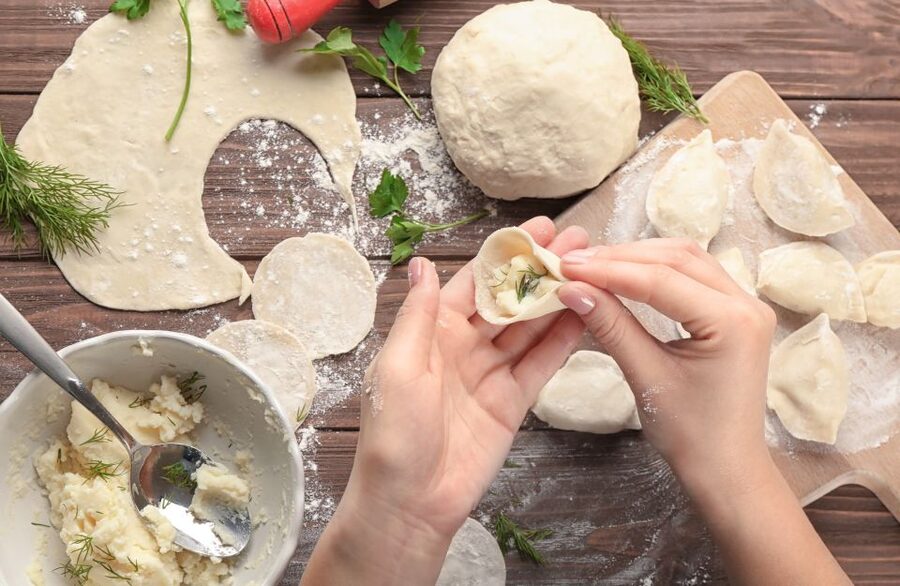
The lesson covers three authentic regional pasta recipes from family cookbooks. The exact dishes are not named in the available information, which is worth noting if you are booking because you want one particular pasta shape or sauce.
The likely rhythm is hands-on from the start. Your host explains the recipe, gives you the ingredients, and shows you the basic method. You then work at your own station while the host checks your progress. This is useful for beginners because the class is not built around watching from a distance.
Rolling dough is one skill that receives particular attention. Eleonora has been praised for showing the small tricks that make rolling easier, and for working patiently with learners. That kind of guidance can be more useful than a long lecture. Pasta dough often looks simple until you try to make it even, thin, and workable.
You also get the chance to compare three preparations during the same class. One recipe might call for a different thickness, shape, or handling method than another. By the end, you should have a better sense of how regional pasta changes from one dish to the next, even though the specific recipes depend on your host.
The family cookbook detail adds value. These are presented as local recipes with a home connection, not generic dishes selected only because they are easy to teach. Still, you should ask the host about the recipes you make if you want to understand their place in Umbrian cooking. The activity promises regional instruction, but it does not promise a printed cookbook or take-home recipe pack.
The meal is part of the class
After the cooking, you eat what you prepared. This is not a short sample at the end of a workshop. The experience includes tasting all three pasta dishes, accompanied by local red and white wines.
I like this format because it gives the class a clear payoff. You learn a method, put it into practice, and then taste the result while the work is still fresh in your mind. If a sauce seems too heavy or a pasta shape feels too thick, you can ask about it at once.
Water and coffee are included as well. Wine is part of the meal, with both red and white selections available. If you do not drink alcohol, the included water still covers the basic need, but the information does not specify a wider range of nonalcoholic drinks.
One individual session with Eleonora also included samples of antipasto. That is a pleasant possibility, but antipasto is not listed as a standard inclusion, so I would not book this expecting a separate appetizer course. The confirmed food element is the three pasta dishes you prepare.
The meal also creates time for conversation. Laura is described as a patient teacher who kept the three hours full of interesting talk. That is important here. You are buying more than a recipe lesson, but the social side depends on the host and on how much conversation you want.
Morning or afternoon: choosing the right time
The class usually begins at 10:00 AM or 5:00 PM, and it lasts three hours. The morning option runs naturally into lunch. The afternoon option should finish around 8:00 PM, making it a useful substitute for dinner.
If you want the class to be the centerpiece of your day, the morning time is appealing. You finish with a meal and still have the rest of the day available. The afternoon start may work better if you plan to visit Perugia in the morning and prefer a cooking experience that becomes dinner.
Some flexibility may be possible if you tell the local partner in advance. Do not assume that any time will work, though. Ask before booking or contact the partner as soon as your plans are firm.
The three-hour length is long enough for real participation but short enough to fit into a Perugia itinerary. It is not a rushed 60-minute tourist stop. At the same time, you should be ready to spend the full three hours in the home. If you want a quick food tasting with little instruction, this is probably more class than you need.
More Private Cooking Classes in Italy:
- Rome: Pasta Making Class with Tiramisu & Wine PRIVATE OPTION
★ 4.8 · 404 reviews - Semi-Private Pizza Making Experience in Naples with Drink
★ 5.0 · 324 reviews - Godfather vs Mafia Tour & Pasta Lunch (Small Group or Private)
★ 5.0 · 304 reviews - From Taormina: Private/Guided Godfather with appetizer and Pasta
★ 5.0 · 233 reviews
What private really means here
This is a private group activity, so the people with you are limited to your own booking party. That can make a major difference for couples, families, or friends who want a shared activity without strangers at the table.
A private class is also useful if cooking skills vary. One person can ask beginner questions while another works ahead. The host can pay attention to individual needs rather than keeping everyone at one fixed level.
The downside is that you miss the social mix of a larger class. If you enjoy meeting a roomful of new people, a public workshop may offer more variety. Here, the connection is mainly between your group and the host family.
The private arrangement also makes this a reasonable choice for a special occasion. You get a more personal setting than a restaurant meal, and the final food is tied to work you did together. Just keep expectations practical. This is a home visit and cooking class, not a formal restaurant service with a printed tasting menu.
Host style: patient, personal, and conversational
The strongest feature of the teaching is patience. Eleonora is noted for carefully showing how to roll the dough and for creating a warm, inviting home setting. Laura is described as both patient and easy to talk with during the afternoon session.
Those details matter because pasta-making can be frustrating at first. Dough may stick, tear, or refuse to reach the right thickness. A rushed instructor can turn a simple mistake into an awkward moment. A patient host gives you time to try again and explains what to change.
The language options are English and Italian. You should be able to follow the class in English, while Italian adds another layer if you speak it. The provided information does not identify which host you will receive, so treat Eleonora and Laura as examples of hosts connected with this type of class, not as a guaranteed assignment.
The family connection is the heart of the activity. You get a look at how a local host shares food and recipes in a personal setting. That can feel more meaningful than a cooking lesson designed only for visitors, though the experience still has a clear tourist structure and fixed inclusions.
Is $164.26 per person fair?
At $164.26 per person, this is not a budget meal. You should judge the cost against the whole package: three hours, private instruction, three pasta dishes, local wine, water, coffee, ingredients, equipment, and access to a family home.
The price makes more sense for a couple or small private group that values personal attention. If you would otherwise pay for a good meal and a separate cooking lesson, combining both may feel reasonable. The class also gives you a skill you can use after returning home, especially if you pay close attention to rolling and shaping.
The value is weaker if you mainly want to eat pasta. A restaurant meal will cost less and require no work. You are paying for the preparation, the instruction, the setting, and the conversation as much as for the food itself.
Dietary flexibility adds practical value. Vegetarian, vegan, and gluten-free needs can be accommodated when requested in advance. Tell the local partner at the time of booking, not when you arrive. The information does not promise that every recipe will remain identical for each diet, so ask what substitutions are possible if your needs are strict.
Booking details that affect your day
The exact address is not published before booking. For privacy reasons, you receive the host’s full address afterward, along with meeting instructions from the local partner. This is normal for a private home visit, but it means you should not build a tight schedule around an unconfirmed location.
The class begins and ends at the same meeting point. There is no transport included in the stated inclusions, and no pickup service is described. Plan your route once you receive the address, and allow time to find the home without cutting it close.
You can reserve now and pay later, which helps if your Perugia schedule is still changing. Free cancellation is available up to 24 hours before the activity for a full refund. Those terms are useful, but read the confirmation carefully for the exact cutoff time attached to your booking.
The experience is available in English and Italian. It is listed for a private group, and the duration is three hours. Starting times should be checked for your date because availability can change.
Who should book this pasta class?
I would choose this for a couple, family, or small group that wants a food activity with real participation. It suits people who like to ask questions, work with their hands, and linger over a meal rather than rush through a list of sights.
It is also a good choice for first-time pasta makers. You do not need advanced kitchen skills, and the personal format leaves room for correction. If you already make pasta often, ask how different the three Umbrian recipes are from your usual methods. The regional angle may provide more value than the basic dough work.
Families may appreciate the private setup, especially if children or mixed skill levels are involved. The activity is described as suitable for all ages in connection with one session, though the provided information does not give a formal minimum age.
I would skip it if you dislike cooking, have little time, or want a guaranteed list of named dishes before paying. The recipes are regional but not specified in advance. Also skip it if the price feels high for a meal you must help prepare.
Should you book it?
Book this class if the idea of making pasta in a local home sounds better than sitting through a polished restaurant demonstration. The patient instruction, three recipes, private setting, and meal with local wine give the experience a personal shape that a standard food tour may not offer.
Before paying, confirm the dietary request, start time, and meeting instructions. If you want the most relaxed schedule, choose the morning class for lunch or the 5:00 PM start for dinner. For a hands-on taste of Umbrian home cooking, the cost is high but understandable. For a simple pasta meal, it is not the best value.
FAQ
Where does the pasta-making class take place?
The class takes place in a local family’s home in the Perugia area of Umbria. The full address and exact meeting instructions are provided after booking for privacy reasons.
How long does the experience last?
The cooking class lasts three hours.
What time does the class usually start?
The usual start times are 10:00 AM and 5:00 PM. Some flexibility may be possible if you contact the local partner in advance.
How many pasta recipes will I learn?
You will learn three authentic regional pasta recipes during the class.
Do I eat the pasta I prepare?
Yes. The experience includes tasting the three pasta dishes you make during the lesson.
Are drinks included?
Yes. Water, local red and white wine, and coffee are included.
Can dietary requirements be accommodated?
Vegetarian, vegan, gluten-free, and other dietary requirements can be accommodated upon request. You need to advise the local partner when booking.
Is the class private?
Yes. The activity is offered as a private group experience, and it is taught in English or Italian.
Just added around Italy
- Volterra: Fresh Pasta Cooking Class at a Tuscan Farmhouse★ 5.0 · 33 reviews
- Verona: Tortellini Cooking Class and Lunch with Mamma Ivana★ 5.0 · 20 reviews
- Vicenza: Pasta & Tiramisu Cooking Class at a Local’s Home★ 5.0 · 5 reviews
- Verona: My Granny’s secrets making gnocchi★ 5.0 · 7 reviews
- Verona: Prosecco and Pasta Making Class at a Local’s Home★ 5.0 · 10 reviews
- Verona: Pasta Cooking Class with Wine Tasting★ 5.0 · 4 reviews
- Verona: Pasta & Tiramisu Cooking Class at a Local’s Home★ 5.0 · 16 reviews
- Valnerina/Pasta cooking class in a 12th century location★ 4.8 · 9 reviews
Perugia Pasta Classes, compared.
Ravioli, Pasta and Tiramisu Class at a Local’s Home
Read our review →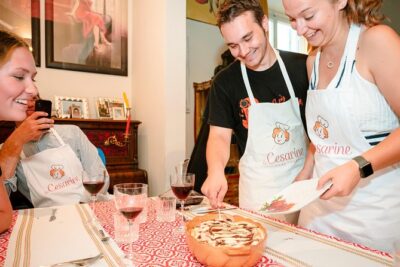
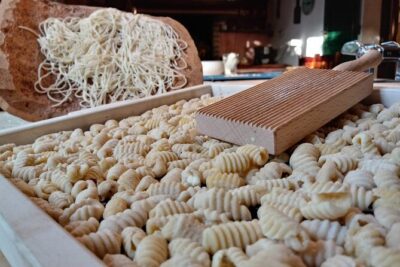
Colorful Tagliatelle & Walnut Ravioli – Home Cooking in Spoleto
Read our review →Ravioli, Pasta and Tiramisu Class at a Local’s Home in Perugia
Read our review →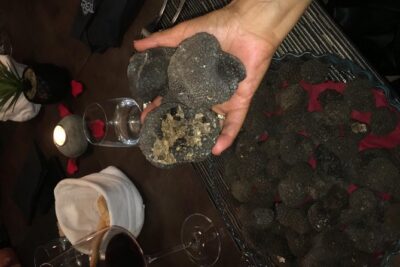
Spoleto Truffle Experience: Handmade Pasta with a Local Chef
Read our review →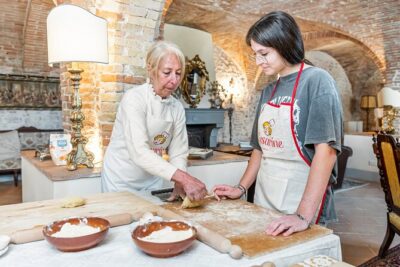
Pasta-making class at a Cesarina’s home with tasting in Perugia
Read our review →Browse the lists this tour appears in