
REVIEW · BARI
Masterclass Pasta & Focaccia with Wine
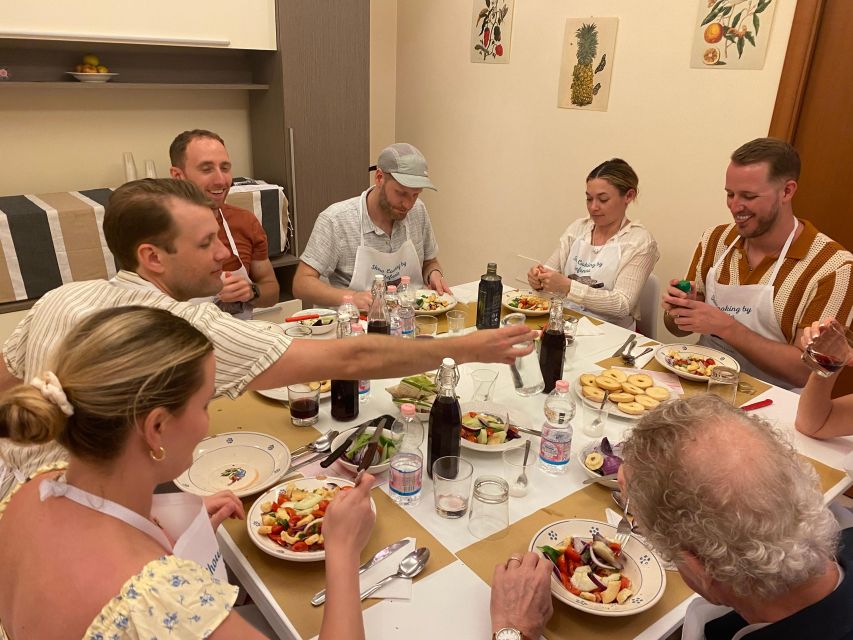
The best part of this Apulian cooking class is that you start with the basics: flour, water, and your own hands. Stefania shows you how to turn that simple dough into orecchiette and cavatelli, then prepares the pasta while you watch and learn. You also get a close look at her focaccia method, followed by a meal made from your work.
I like the small, relaxed setting, where you can practice without feeling rushed. I also like the warm, personal touch: family recipes, a shared glass of wine, and food eaten together rather than a quick demonstration followed by a goodbye. The main drawback is value. At $70 per person for two hours, this is not the cheapest food activity in Apulia, especially if you mainly want a full meal rather than instruction.
Key points at a glance
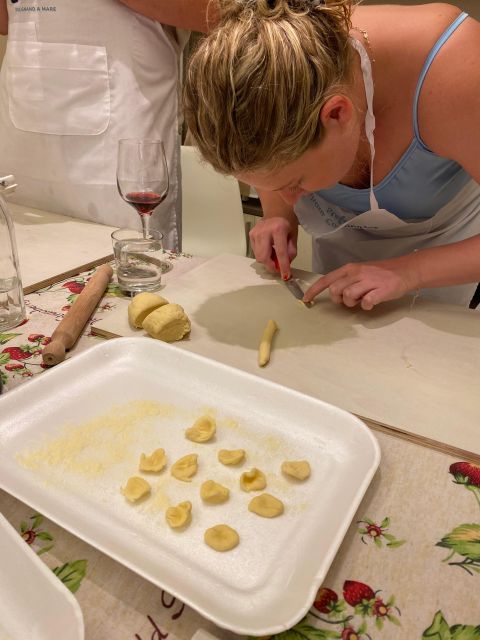
- Two classic pasta shapes: Learn to form orecchiette and cavatelli from fresh dough.
- Focaccia is part of the lesson: Watch Stefania prepare it and receive the recipe to try at home.
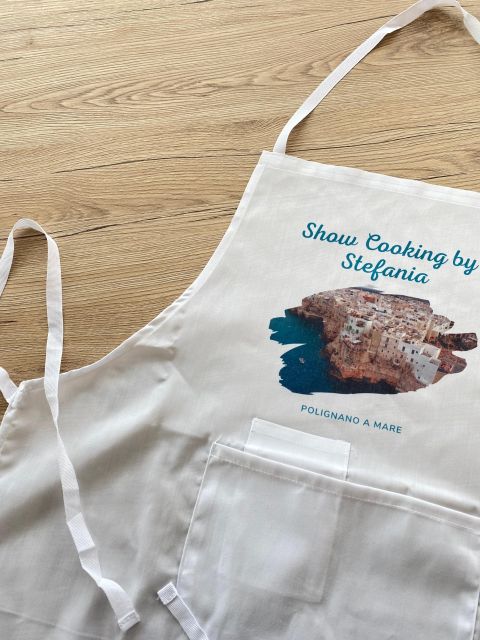
- A genuinely hands-on class: Each person has a workstation, apron, tools, and quality ingredients.
- Small and social: The class takes place in a compact, relaxed cooking area where conversation comes easily.
- Eat what you make: Your pasta and focaccia are cooked and served with drinks, including wine.
- Easy planning: The class lasts two hours, runs in English or Italian, and allows free cancellation up to 24 hours before the start.
Starting with flour, water, and a little patience
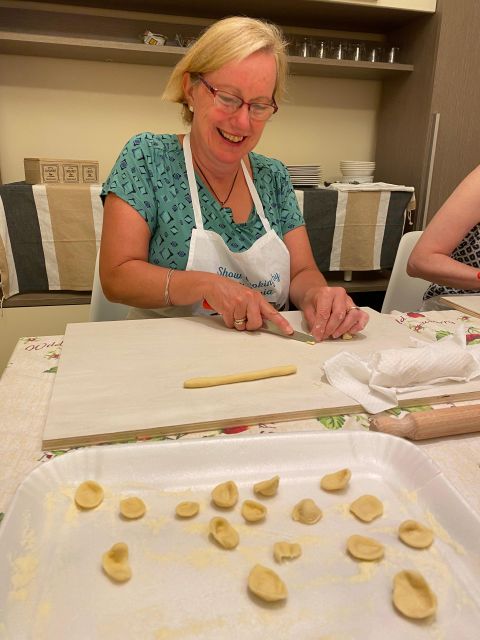
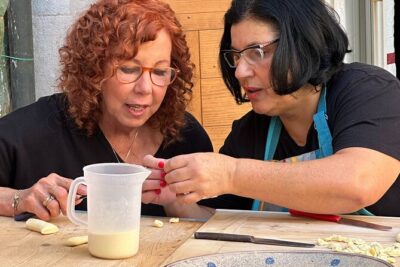
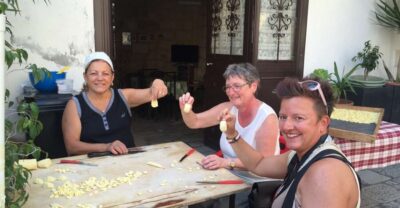
This class gets to the heart of Apulian cooking quickly. You are not simply watching a chef prepare a polished dish. You are given a workstation and asked to make the dough yourself, then shape it into two pasta forms that are strongly tied to southern Italian cooking.
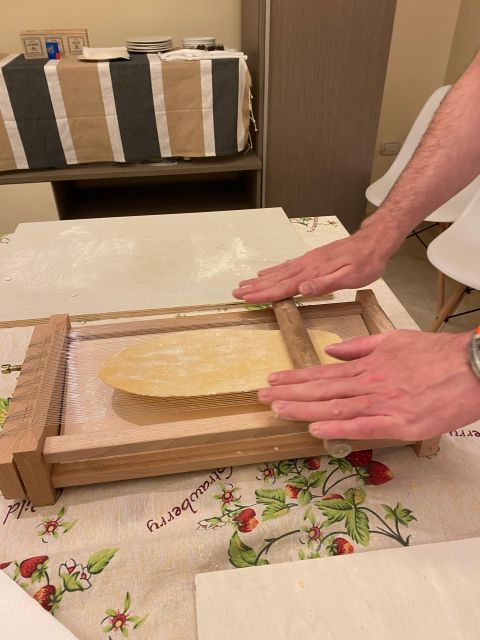
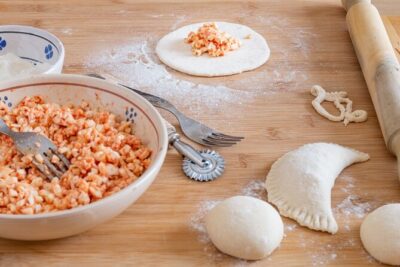
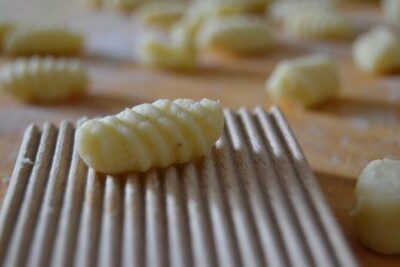
The ingredients are basic, but the technique takes practice. Orecchiette means little ears, and the shape comes from pressing and turning small pieces of dough with your fingers or a knife. Cavatelli has a different look and feel, with a small rolled or hollowed form that catches sauce well. Stefania demonstrates each step and lets you repeat it until the motion begins to make sense.
That hands-on method is useful because pasta making can look much easier than it is. The right pressure, dough thickness, and size all affect the finished dish. You may make a few uneven pieces at first. That is part of the fun, and the relaxed pace gives you room to improve without turning the class into a test.
Stefania also adds local background and practical tips as she teaches. Her English is described as clear, and instruction is available in English or Italian. You can ask questions as you work, which is more useful than trying to remember a long lecture at the beginning.
More Chef-Led Classes in Bari:
- Rome Cooking Class: Make Pasta, Dine & Drink Wine With Local Chef
★ 5.0 · 1,263 reviews - 2-in-1 Pasta and Tiramisu Cooking Masterclass in Rome
★ 5.0 · 832 reviews - Pasta Fettuccine, Ravioli and Tiramisu MasterClass
★ 5.0 · 391 reviews
Orecchiette and cavatelli, two different lessons in one
Making two shapes gives the class more range than a single-pasta workshop. Orecchiette teaches you how to create a thin, cupped piece, while cavatelli requires a separate motion and a different sense of thickness. The contrast helps you see how much variety can come from one simple dough.
You should expect to work directly on the dough rather than rely on machines. That is important to the character of the class. Apulian pasta is often valued for its simplicity, and the point here is to understand what your hands can do with flour and water.
The class is especially good for people who want a skill they can repeat at home. You receive the recipes, and one participant specifically appreciated leaving with the confidence to try the process again. The ingredients are not complicated, and the equipment used during the class is provided.
Do not expect every piece to look identical. Handmade pasta has small differences, and those irregular shapes are part of its appeal. If you want a highly polished cooking demonstration with no mess, this may not be your ideal activity. If you like getting your hands dirty and learning by doing, it makes much more sense.
Focaccia adds a second Apulian specialty
The focaccia portion gives the two-hour class another focus. Rather than stopping after pasta, Stefania shows you how she prepares her focaccia and shares the recipe. The prepared focaccia is served as part of the final tasting.
The appeal here is practical. Fresh focaccia is one of those foods that seems simple until you try to recreate its texture at home. The lesson gives you a chance to watch the method closely, including how the dough is handled, before tasting the result.
You should note the wording of the activity carefully: you prepare the pasta together, while Stefania demonstrates the focaccia. That means this is not necessarily a second full hands-on workshop for every person. Still, it adds another local dish to your meal and gives you a recipe to take away.
The food receives especially strong praise. The finished pasta is cooked for you, and the focaccia is served fresh. That makes the experience feel like both a lesson and a shared lunch or light meal, depending on the start time.
A small room with a friendly pace
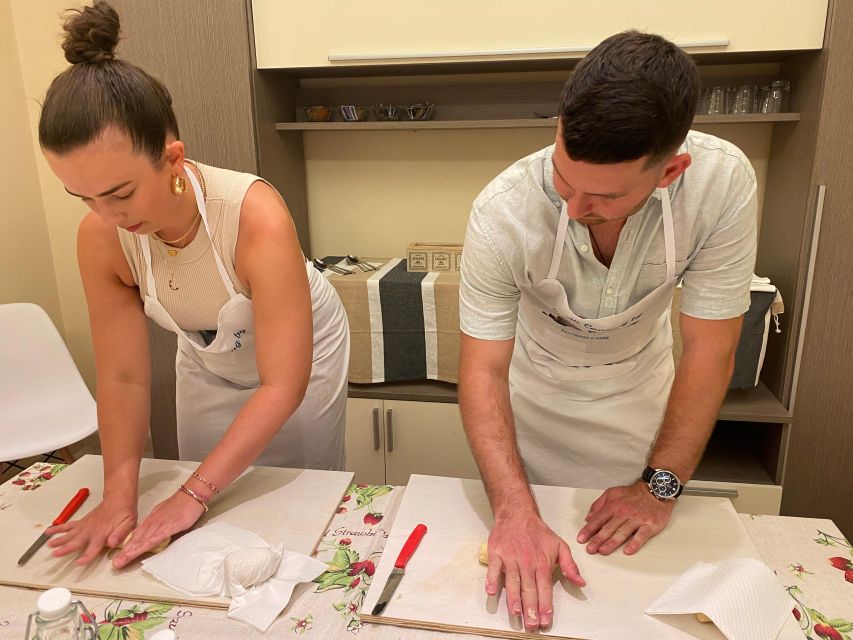
The cooking area is described as clean, scenic, and compact. A small group works in your favor here. You can see the demonstration, hear the instructions, and get help when the dough refuses to cooperate.
Stefania’s teaching style is patient. She steps in when help is needed but leaves enough space for you to learn through practice. That balance matters. A class can lose its value if the instructor takes over every difficult step, but it can also become frustrating if you are left without guidance.
The setting is welcoming rather than formal. You use an apron to protect your clothes, and the necessary tools are supplied. You do not need to arrive with cooking equipment or special ingredients. Each person has a workstation, which keeps the activity orderly even when several people are shaping pasta at once.
The social side is part of the experience. You cook alongside other participants, chat while working, and share the finished meal. The small room can feel close if you prefer lots of personal space, but most people who enjoy food classes will see that as part of the home-style atmosphere.
More Pasta Classes with Wine in Bari:
- Bari: Pasta and Tiramisu Cooking Class with Wine
★ 5.0 · 273 reviews - Apulian Cooking Class with Aperitif and Wine in Polignano a Mare
★ 5.0 · 89 reviews - Premium Cooking Class in Bari: Pasta & Tiramisu, free wine bottle
★ 5.0 · 2 reviews - Florence: Pasta Cooking Class with Unlimited Wine
★ 4.9 · 10,285 reviews
Wine and the meal you helped prepare
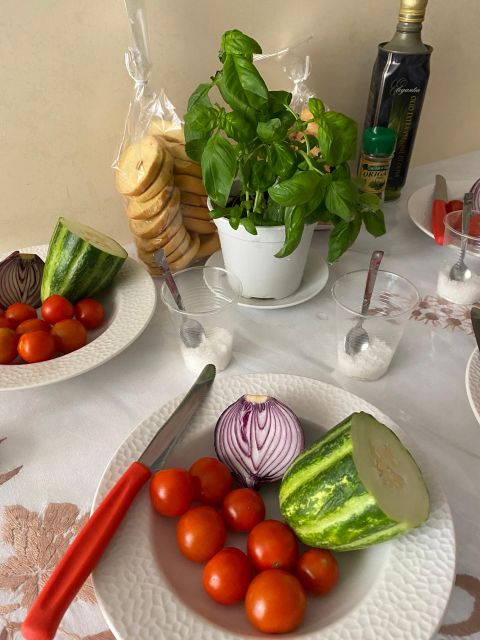
Wine is included, and the class is designed around sharing it while you work. The drinks make the activity feel more like an invitation into a home than a formal school lesson. Wine servings have been described as generous, though the experience is still centered on cooking rather than drinking.
At the end, Stefania serves the pasta dishes made during the class, along with focaccia and drinks. This final tasting is not an add-on that replaces the lesson. It is the payoff for the work you have done, and it gives you a chance to taste the difference between handmade pasta shapes.
I like this format because you get a meal with a story attached to it. You remember the texture of the dough, the shape you struggled to make, and the moment you see your pasta cooked. That connection is more lasting than simply ordering orecchiette in a restaurant.
The meal also helps you judge your progress. Pasta that looked rough on the work surface can turn out well once cooked. The class makes clear that good food does not require a long list of ingredients, but it does require attention to technique.
What the $70 price includes
At $70 per person, the cost is reasonable for a small, hands-on class with food and drinks, but it is not a bargain activity. The price works best if you want instruction and a social meal, not just a plate of pasta.
You receive:
- A personal workstation
- An apron
- Cooking tools
- Quality ingredients
- Recipes
- Drinks, including wine
- Tasting of the pasta and focaccia
- A souvenir photo taken with your smartphone
The included equipment and ingredients remove several small costs that can add up in a cooking activity. You also avoid paying separately for the meal afterward. On a simple calculation, the two-hour class costs $35 per hour, before counting the food, wine, recipes, and personal guidance.
Still, the two-hour length is worth considering. This is a focused introduction, not a full-day culinary course. You will learn the main techniques, eat what you prepare, and leave with recipes. You will not spend an entire afternoon exploring several courses or learning advanced sauce work.
One price concern is fair: $70 can feel high if your priority is simply finding an inexpensive lunch. It becomes better value when you care about the personal instruction, the small group, and the chance to repeat the recipes at home.
Who will enjoy this class most
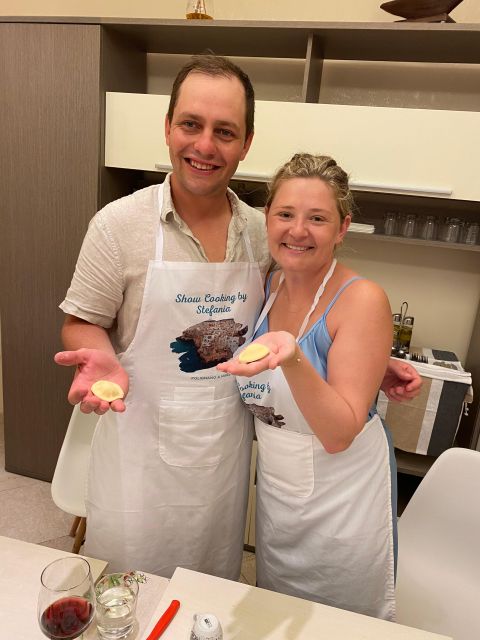
I would choose this activity for couples, solo visitors, families with older children, and anyone who plans to eat well in Apulia and wants to understand the food better. It suits beginners because the work starts with simple ingredients and proceeds step by step.
It is also a good choice if you have limited time. Two hours is long enough to make pasta and eat, but short enough to fit around other plans in the Polignano area. The class has been recommended as a worthwhile addition to a visit there.
Children under six are not permitted. Older children may enjoy the tactile work, but the activity is still a cooking lesson, so the best fit is a child who can follow directions and handle a shared workspace.
You should also choose this class if you like meeting people. The activity depends partly on the mood of the small group. You will be cooking near other participants, sharing conversation, and eating together. It is less suitable if you want a private, quiet meal or a completely individual lesson.
Practical details before you book
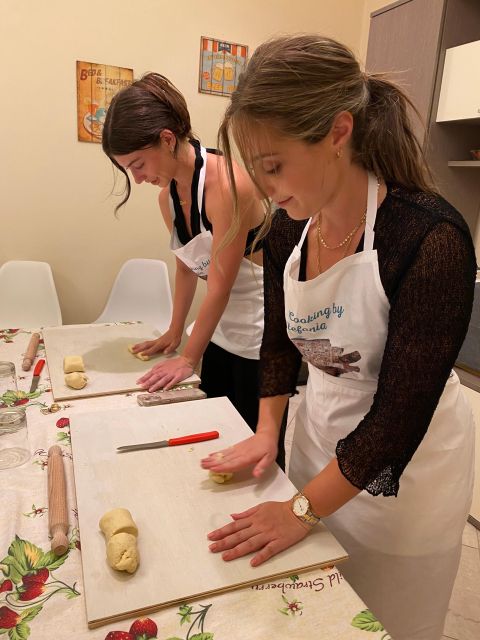
The class lasts two hours, with starting times dependent on availability. It is taught in English and Italian, and English instruction has been described as easy to follow.
You do not need to bring tools or ingredients. An apron is provided, but wearing comfortable clothes you do not mind getting a little flour on is sensible. The class supplies what you need for the cooking itself.
The format includes cooking, demonstration, and tasting. You will make the dough and shape both orecchiette and cavatelli. You will watch the focaccia preparation, receive its recipe, and eat focaccia along with your pasta.
You can reserve now and pay later, which helps if your Apulia plans are still shifting. Cancellation is free up to 24 hours in advance for a full refund. That flexibility is useful, but check the start time carefully before making other reservations around it.
The activity provider is Puglia Cooking Class. The host names associated with the class are Stefania and Anna, with Stefania leading the instruction. You may see the name spelled Stephania in some places, but the teaching role is the same.
Should you book it?
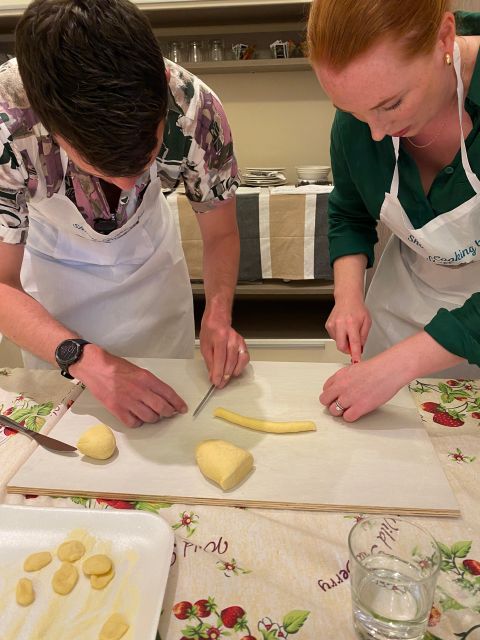
Book this class if you want more than a restaurant meal and like the idea of learning two pasta shapes in a friendly home-style setting. The strongest reasons are the patient instruction, small group feel, family recipes, fresh focaccia, and the pleasure of eating food you shaped yourself.
Skip it if $70 feels too high for a two-hour activity, or if you want a long, advanced cooking course. The class is an introduction, not a professional training session, and the focaccia is demonstrated rather than fully prepared by every participant.
For most food-focused visitors to Apulia, I think the price is justified when you value the personal setting and the take-home recipes. You leave with a better sense of how orecchiette and cavatelli are made, a satisfying meal, and a skill you can try again in your own kitchen.
FAQ
How long does the pasta and focaccia class last?
The class lasts two hours.
How much does the activity cost?
The price is $70 per person.
Which pasta shapes will I learn to make?
You will prepare two types of fresh pasta: orecchiette and cavatelli.
Is focaccia included?
Yes. Stefania demonstrates how to make focaccia, provides the recipe, and serves focaccia for tasting at the end.
Are drinks and wine included?
Yes. Drinks are included, and the class includes wine.
Is the class available in English?
Yes. Instruction is available in English and Italian.
Can children attend the class?
Children under six years old are not permitted to participate.
More Wine Tastings in Bari
- Florence: Pasta & Tiramisu Cooking Class with Unlimited Wine
★ 4.9 · 6,708 reviews - Florence: Pasta Cooking Class with Unlimited Wine
★ 5.0 · 6,413 reviews - Rome: Pasta & Tiramisu Class with Fine Wine by the Vatican
★ 4.9 · 4,852 reviews - Rome: Pasta Making Class with Wine, Limoncello, and Dessert
★ 4.9 · 3,177 reviews
Just added around Bari
- Cesarine: Private Pasta Class & Meal at Local’s Home in Bari★ 5.0 · 4 reviews
- Cesarine: Small group Pasta and Tiramisu class in Bari★ 5.0 · 56 reviews
- Cesarine: Pasta & Tiramisu Class at Local’s Home in Bari★ 5.0 · 2 reviews
- People of Bari unusual guided tour with pasta making at Grandma house★ 5.0 · 54 reviews
- Fresh pasta and dinner in my biogarden★ 5.0 · 8 reviews
- Premium Cooking Class in Bari: Pasta & Tiramisu, free wine bottle★ 5.0 · 2 reviews
- Artisanal ice cream pasta course in Castellana caves★ 5.0 · 6 reviews
- Cooking class of Tagliatelle and Tiramisu in Altamura★ 5.0 · 7 reviews
Bari Pasta Classes, compared.
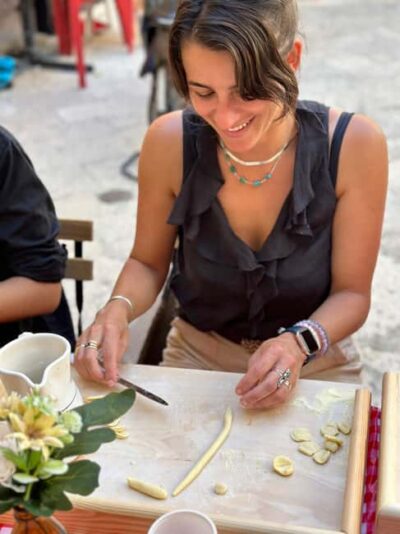
Apulian Cooking Class with Aperitif and Wine in Polignano a Mare
Read our review →
Cesarine: Small group Pasta and Tiramisu class in Bari
Read our review →Browse the lists this tour appears in