
REVIEW · GENOA
Genoa: Fresh Pasta mastserclass Michelin Stars
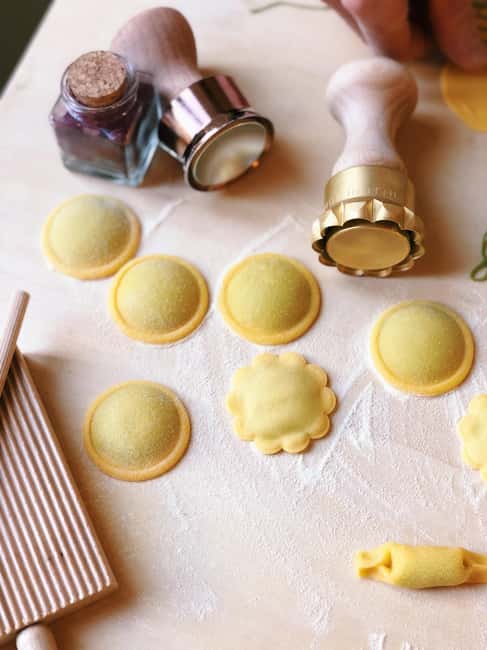
Fresh pasta takes center stage here. In two hours, you work through more than ten pasta types, including Genoa’s own Ligurian specialties, then sit down to eat what you made. I like the small group of no more than eight, and I like that the chefs draw on Michelin-starred kitchen experience without turning the class into a stiff cooking lecture.
The meal is a real part of the class, not a token taste. You get a glass of wine and practical notes for making the recipes at home. The one caution is time: two hours moves quickly, so this is a lively introduction rather than a slow, deeply technical pasta course.
Key points at a glance
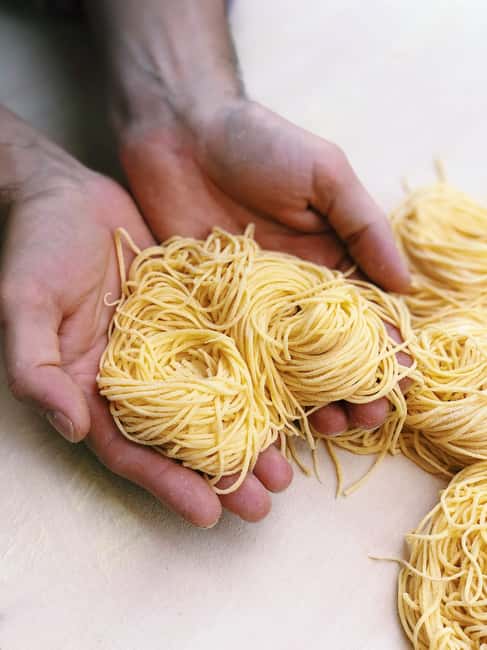
- More than ten pasta styles: Practice traditional shapes such as tagliatelle and ravioli, along with Ligurian specialties.
- A meal made by you: Taste the dishes from the workshop, with a wine pairing included.
- Small class size: A maximum of eight people allows for direct help at the worktable.
- Michelin kitchen background: Andrea and the Dinoidue chefs share methods shaped by work in Michelin-starred restaurants and kitchens in Europe and Australia.
- Useful take-home advice: You receive information and tips to repeat the recipes in your own kitchen.
- Four language options: The class is offered in English, Italian, Spanish, and Portuguese.
A pasta class built around doing, not watching
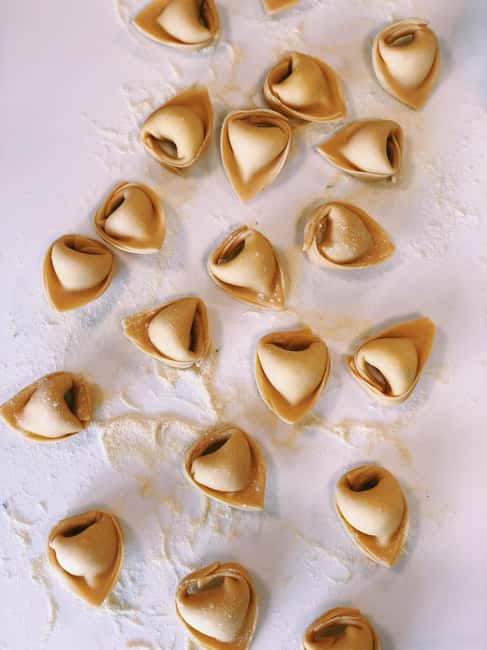
This Genoa workshop is designed for people who want flour on their hands. You are not simply shown a plate of finished pasta and asked to admire it. You work through dough, shaping, filling, and cooking with guidance from the chefs.
The setting is a kitchen in the heart of Genoa. That matters because the class feels connected to the city’s food culture, especially once Ligurian pasta enters the lesson. Genoa is closely linked with dishes such as pesto, filled pasta, and simple preparations that depend on good dough rather than a long list of ingredients.
The chefs introduce themselves and explain their path through Michelin-starred restaurants and culinary work across Europe and Australia. Their project, Dinoidue, is described as a personal passion project. You get some professional context, but the focus stays on the food in front of you.
Andrea is one chef specifically identified with the class, and the teaching style is built around close support. With only eight people, you should have a reasonable chance to ask for help when dough feels too dry, a sheet turns uneven, or a ravioli refuses to seal. That small number is one of the strongest practical reasons to choose this class over a large demonstration.
More Fresh Pasta Workshops in Italy:
- Rome: Pasta Making Class with Wine, Limoncello, and Dessert
★ 4.9 · 3,177 reviews - Pastamania – Florence Pasta Making Class
★ 5.0 · 3,050 reviews - Enjoy Spritz and Pasta Making in Piazza Navona
★ 5.0 · 1,681 reviews
Getting started with dough and traditional shapes
The opening is brief. You receive a welcome and an introduction to the chefs, then move into the essential methods of fresh pasta making.
The class covers the basic dough process before moving to several shapes. You can expect tagliatelle and ravioli, plus more than ten traditional pasta types in total. The exact order of the shapes is not specified, so you should think of the class as a broad tour through pasta forms rather than a single recipe lesson.
This variety is useful for a first class. Tagliatelle teaches you how to create and cut long ribbons. Ravioli adds another set of skills: rolling dough thin, preparing a filling, placing portions evenly, and sealing the edges without trapping too much air.
Ligurian specialties give the workshop a local character. The class is not limited to the most familiar Italian pasta shapes found in restaurants around the world. You get a chance to connect the lesson to Genoa and the Liguria region, even though the available details do not identify every regional shape or recipe by name.
The key point is to pay attention to the texture of the dough. The chefs explain the secrets of workable pasta, and that is the sort of advice that makes a difference at home. Pasta dough often looks simple, but small changes in moisture, kneading, and rolling can affect the final result.
Why the small group of eight matters
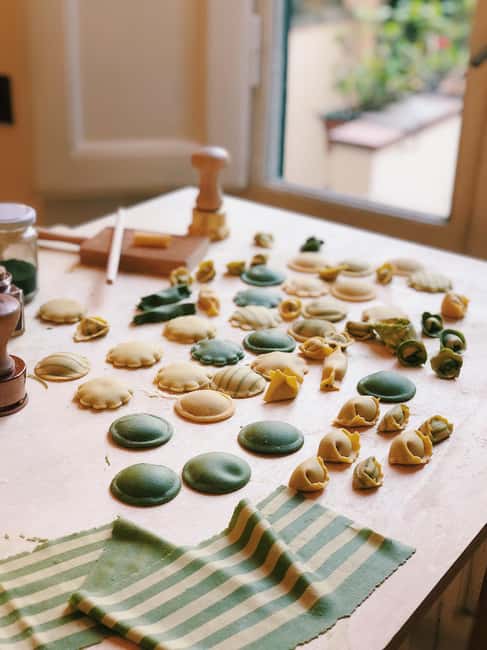
An eight-person limit gives this class a more personal feel. It also makes practical sense. Pasta requires hands-on correction, and you may need a quick demonstration repeated at your station.
The chefs provide access to professional cooking tools and the kitchen itself. You do not need to bring ingredients or equipment. All ingredients for the different pasta types are included, so you can concentrate on technique rather than shopping or measuring out a pantry.
A small group also suits people who enjoy a social class. You work near other participants, compare shapes, and share the meal afterward. The atmosphere is meant to be festive and friendly, but it is still a practical workshop rather than a formal restaurant service.
There is a tradeoff. More than ten pasta varieties in two hours means each shape receives limited time. If your goal is to master one difficult style in detail, a specialist lesson focused on a single pasta may serve you better. If your goal is to gain a broad set of techniques and enjoy a meal, the fast pace works in your favor.
From worktable to three-course pasta meal
The best part of the schedule comes after the preparation. You sit down and eat the dishes you have made, accompanied by a glass of wine.
The format has included three pasta courses with sauces, though the central promise is to taste all the dishes created during the workshop. That makes the meal more substantial than a small sample at the end. You get to see how different shapes work with different sauces and how fresh pasta changes the eating experience.
This tasting also gives the lesson a useful finish. You have just handled the dough, but eating the finished dishes helps you judge the results. You can notice how thin the pasta is, how well a filling holds together, and how sauce clings to a particular shape.
The wine adds to the shared-table mood. It is one glass, not a full wine seminar, so do not book this expecting detailed pairing instruction. Think of it as a simple accompaniment to the food and conversation.
The meal has received strong praise for the pasta, sauces, wine, and company. The most specific praise centers on the food itself and on the professionalism of the chef. That matches the structure of the class: the cooking is the main event, and the meal is the reward.
More Chef-Led Classes in Italy:
- Rome Cooking Class: Make Pasta, Dine & Drink Wine With Local Chef
★ 5.0 · 1,263 reviews - 2-in-1 Pasta and Tiramisu Cooking Masterclass in Rome
★ 5.0 · 832 reviews - Pasta Fettuccine, Ravioli and Tiramisu MasterClass
★ 5.0 · 391 reviews - Pasta and Pizza Master Class with Pick Up in Sorrento
★ 5.0 · 380 reviews
What the Michelin background adds
The Michelin connection can sound grander than it is, so it helps to understand what you are paying for. This is not described as dining in a Michelin-starred restaurant. Rather, the chefs bring experience from Michelin-starred kitchens into a teaching setting.
That background may show up in the way the chefs explain dough, organize the work, and finish the sauces. You also hear stories from their time working in Europe and Australia. For you, the value is less about prestige and more about access to professional habits that can improve a home-cooking session.
Andrea has been singled out as an excellent teacher, and the cooking instruction is presented as clear and supportive. That is important because pasta classes can easily become demonstrations where the instructor does the difficult parts. Here, you are expected to take part, with the chefs helping you along the way.
Still, do not assume that a Michelin background means advanced cooking is required. The activity is built around step-by-step instruction and is suitable for people who want to learn traditional techniques. You can ask questions in one of four languages: English, Italian, Spanish, or Portuguese.
Genoa, Liguria, and the value of local food
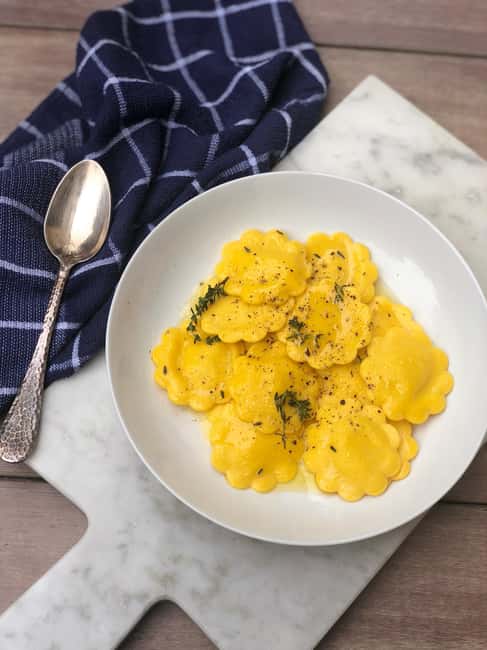
Pasta is not just a generic Italian symbol here. The class takes place in Liguria, and the inclusion of local specialties helps place the food in its regional setting.
Liguria is known for cooking that makes good use of fresh ingredients, careful seasoning, and pasta forms suited to local sauces. Genoa is especially associated with pesto, though the supplied details do not promise a specific pesto-making lesson. You should not book expecting every famous Ligurian dish to appear. The clear focus is fresh pasta and the dishes built around it.
That local angle is useful for a short visit. A cooking class gives you a way to understand regional food through your hands and taste buds instead of only reading about it. You leave with more than a meal, since the notes and tips can help you repeat the experience later.
The class also fits well into a Genoa itinerary because it lasts only two hours. It is long enough to include instruction and a proper tasting, but short enough to combine with other plans. Check the available starting times when booking, since no fixed daily schedule is provided.
Is $82 a fair price?
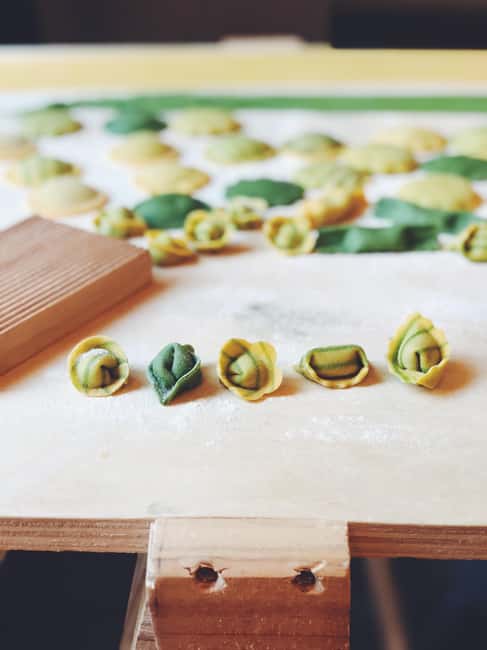
At $82 per person, this is not the cheapest way to eat pasta in Genoa. You could order several pasta dishes at a local restaurant for less, especially if your only goal is lunch or dinner.
The comparison changes once you count what is included. You receive a two-hour cooking class, all ingredients, professional kitchen tools, direct instruction in a group capped at eight, a meal made from your own work, a glass of wine, and written tips for cooking at home.
I consider that a fair price for people who value participation. You are paying for the food, but also for the instruction and the chance to learn several shapes in one sitting. The small group strengthens the value because the chefs can give more attention than they could in a large class.
It is less compelling for someone who dislikes group activities or has no interest in cooking after the holiday. The class earns its price through the hands-on element. If you plan to recreate pasta at home, the take-home information gives the experience longer value.
Who should book this class?
I would recommend it to first-time pasta makers, couples, friends, and solo participants who enjoy meeting people around food. The eight-person format is small enough for conversation, while the festive meal gives the class a natural social finish.
Families may also like the activity, but the supplied details do not specify a minimum age or child policy. Check that point before booking with children.
The workshop is a good match for people who want local food without committing to a full-day cooking program. You learn a wide range of shapes, eat a complete tasting, and finish within two hours.
It is not the best choice if you want a long, quiet lesson on one advanced technique. The promise of more than ten types means you will cover a lot quickly. You should arrive ready to work, listen, and keep moving.
You also need to be comfortable with a shared class. The friendly atmosphere is part of the appeal, but this is not a private chef lesson. Participants prepare food together and eat together.
Booking details worth knowing
The class is available in English, Italian, Spanish, and Portuguese. That makes it easier to choose a teaching language that suits you, but confirm your preferred option when selecting a session.
You can cancel up to 24 hours before the activity for a full refund. A reserve-now, pay-later option is also available, which helps if your Genoa schedule is still changing.
The activity lasts two hours, and the maximum group size is eight. The location is in the heart of Genoa, but no exact meeting address or transport instructions are supplied here, so check the booking information carefully before setting out.
The experience provider is identified as PNNNDR94M17D969D. That code is useful if you are matching the activity to a reservation or comparing similar cooking classes.
Should you book the Genoa pasta masterclass?
Book it if you want to learn by doing and then eat the results. The combination of more than ten pasta types, Ligurian specialties, Michelin kitchen experience, a small group, and a wine-accompanied meal gives the class a clear purpose.
The main limitation is the quick pace. Two hours is enough for a lively introduction, not enough for deep practice with every shape. At $82, the class makes the most sense for you if the recipes, instruction, and social meal matter as much as the food.
For a short Genoa visit, I would choose this over a passive food demonstration. You get flour on your hands, a better sense of regional cooking, and practical ideas to take back to your own kitchen.
FAQ
How long does the Genoa pasta class last?
The class lasts two hours, including the pasta-making workshop and tasting.
How many pasta types will I learn to make?
The workshop covers more than ten traditional types of pasta, including tagliatelle, ravioli, and Ligurian specialties.
Is food included in the price?
Yes. You receive all ingredients for the class and taste the dishes you prepare. A glass of wine is also included.
What languages are available?
The guided experience is available in English, Italian, Spanish, and Portuguese.
How large is the group?
The class is limited to eight participants.
Can I cancel for a refund?
Yes. You can cancel up to 24 hours in advance for a full refund.
Just added around Italy
- Volterra: Fresh Pasta Cooking Class at a Tuscan Farmhouse★ 5.0 · 33 reviews
- Verona: Tortellini Cooking Class and Lunch with Mamma Ivana★ 5.0 · 20 reviews
- Vicenza: Pasta & Tiramisu Cooking Class at a Local’s Home★ 5.0 · 5 reviews
- Verona: My Granny’s secrets making gnocchi★ 5.0 · 7 reviews
- Verona: Prosecco and Pasta Making Class at a Local’s Home★ 5.0 · 10 reviews
- Verona: Pasta Cooking Class with Wine Tasting★ 5.0 · 4 reviews
- Verona: Pasta & Tiramisu Cooking Class at a Local’s Home★ 5.0 · 16 reviews
- Valnerina/Pasta cooking class in a 12th century location★ 4.8 · 9 reviews
Genoa Pasta Classes, compared.
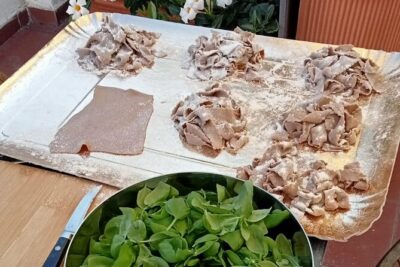
Homemade Pasta and Pesto Class with a Local Chef in Genoa
Read our review →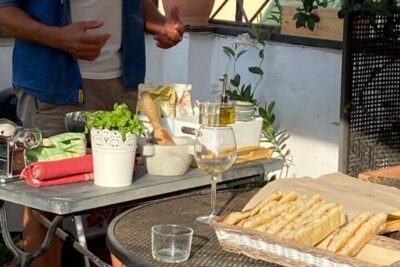
Genova: Homemade Pasta & Pesto Local Chef Class with Wine
Read our review →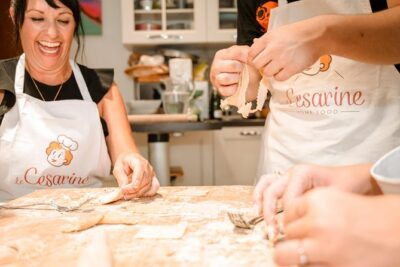
Hands-On Home cooking Class Pasta Pesto and more with wine
Read our review →
Pasta & Tiramisu Cooking Class at a Local’s Home
Read our review →
With Tiziana Cooking Class for Pesto , Gnocchi and Tiramisù
Read our review →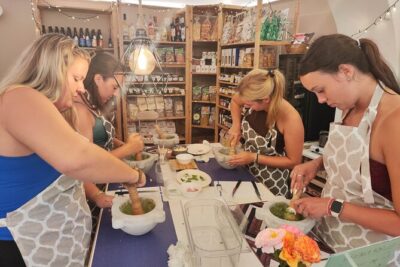
Genoese Pesto Lesson with Mortar, Pasta Tasting and Local Wine
Read our review →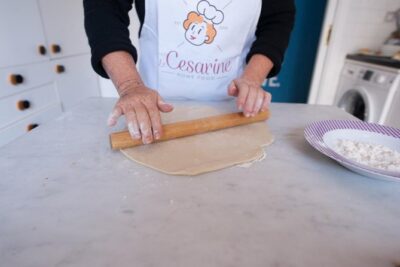
Cesarine: Pasta & Tiramisu Class at Local’s Home in Genoa
Read our review →Browse the lists this tour appears in