
REVIEW · VERONA
Verona: My Granny’s secrets making gnocchi
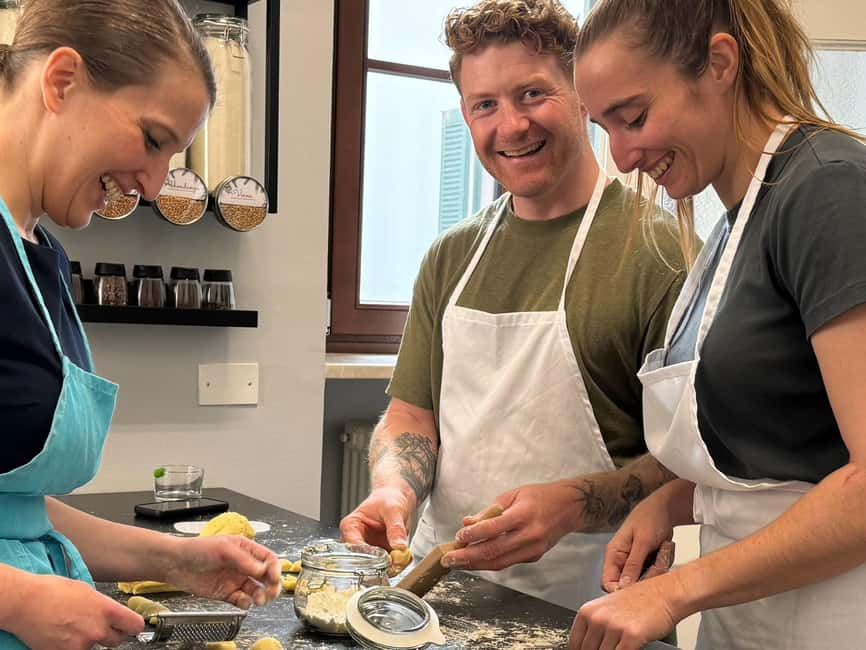
Gnocchi is the star here, but the real treat is learning a family recipe around a wooden table, with flour on your hands and lunch waiting at the end. Valentina and Davide keep the group small, with no more than 10 people, so the class feels personal rather than factory-like.
I like the hands-on potato lesson and the chance to shape every piece yourself. I also like the relaxed finish: you eat what you made with a glass of wine from a small Venetian producer, rather than rushing off after the cooking ends.
The main consideration is the low-salt approach. The food is prepared with no or very little salt and sugar, so you can taste the basic ingredients clearly. That suits curious cooks, but diners who expect strongly seasoned restaurant food may find it restrained.
Key points to know before booking
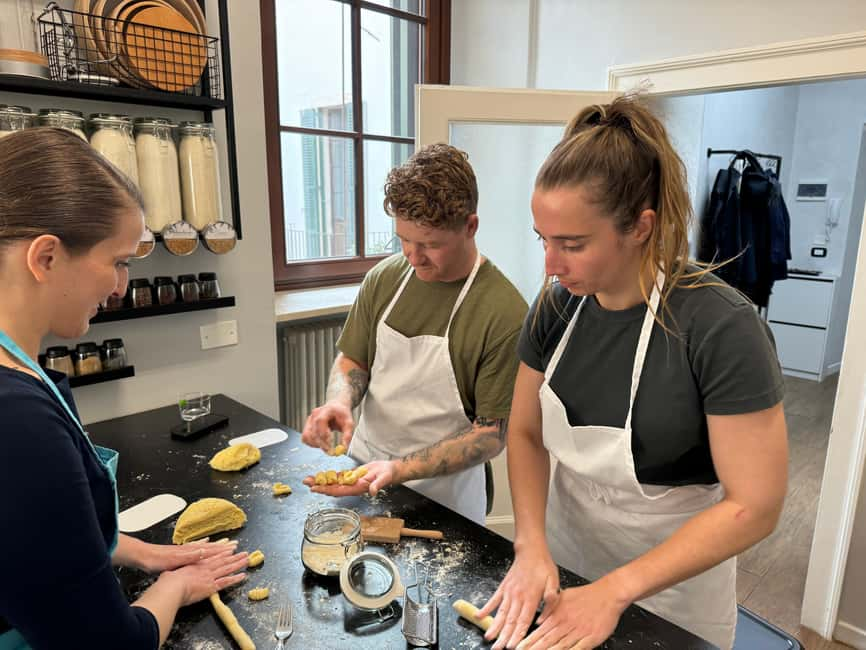
- Granny’s recipe: Learn the family method for choosing potatoes, making the dough, and shaping gnocchi.
- A small class: The group is limited to 10, giving you more time to ask questions and work at the table.
- A full meal: Your class includes a two-course meal, unlimited still and sparkling water, and a glass of regional wine.
- A central meeting point: Palazzo Mastino is a five-minute walk from the Arena and one minute from Parking Lot Cittadella.
- Low-salt cooking: The recipe uses no or little salt and sugar to keep the natural flavor of the food in focus.
- Useful take-home help: You receive recipes and tips for making the gnocchi at home.
Why this gnocchi class feels personal
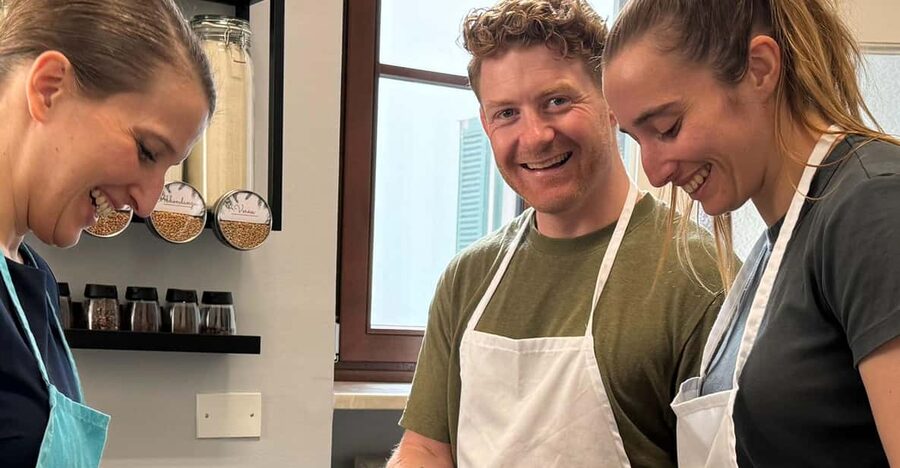
Many cooking classes are really demonstrations with a few token tasks added in. This one is designed around participation. You put your hands into the flour, work the dough, and shape the gnocchi yourself.
That matters because gnocchi is simple in theory but fussy in practice. The ingredients are basic: potatoes, flour, and careful handling. Too much flour can make the dumplings heavy. The wrong potatoes can leave the dough wet or difficult to shape. The class focuses on those small decisions that a printed recipe cannot explain well.
The family story also gives the class a clear sense of place. Valentina learned the method from her Nonna, or grandmother, and the session draws on memories of countryside cooking, a large wooden table, scattered flour, and small pieces of gnocchi disappearing before dinner. You are not just following a generic Italian recipe. You are learning one household’s way of making a familiar northern Italian dish.
The tone is warm and informal. One family even received a birthday candle and song for a daughter during the meal, a thoughtful touch that shows the hosts are willing to make the occasion personal. That kind of detail will appeal to you if you want a cooking experience that feels social as well as practical.
More Ravioli and Gnocchi Classes in Verona:
- Verona: Tortellini Cooking Class and Lunch with Mamma Ivana
★ 5.0 · 20 reviews - My Granny’s secrets Making Gnocchi
★ 5.0 · 5 reviews - 3 in 1 Cooking Class near Navona: Fettuccine, Ravioli & Tiramisu
★ 5.0 · 7,376 reviews
Arriving near Verona’s Arena
The meeting point, Palazzo Mastino, is easy to reach from the historic center. It is about a five-minute walk from the Arena and one minute from Parking Lot Cittadella.
This location works well in a Verona day plan. You can visit the Arena and central sights first, then walk to the class without arranging a taxi or heading into the countryside. If you are driving, the nearby parking reference is useful, though you should still allow time to park and walk to the meeting point.
The provided information does not give a detailed description of the building or the exact room, so do not book this expecting a sightseeing tour of Palazzo Mastino. The important point is its central position and easy access.
Starting times vary, and the class lasts about two and a half hours. Check the available time before booking, especially if you are fitting this around an opera, a museum visit, or a train departure. The length is enough for cooking and eating, but it is not an all-day food tour.
Choosing the right potatoes
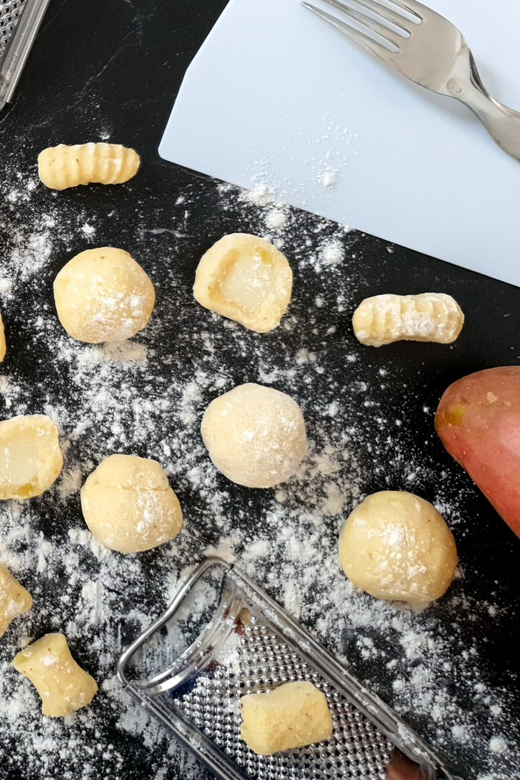
The class begins with one of the most useful parts of the lesson: learning to recognize the right potatoes.
That may sound minor, but it is the key to good gnocchi. Potatoes with the right texture help you make a soft dough without adding too much flour. If the potatoes hold too much moisture, you may keep adding flour to make the dough workable. The result can be dense rather than light.
You will learn how the family recipe approaches this choice and how the potato affects the final texture. This is the sort of advice that helps at home, where a recipe may simply say potato and leave you to guess.
The class is taught in English and Italian. If you do not speak Italian, the English instruction should make the process accessible, while the Italian setting keeps the experience connected to the local food culture. The data does not specify how much translation is offered at each moment, so mention any language concerns when booking.
Making dough with your hands
Once the potatoes are selected, you prepare the dough according to the family method. This is where the class becomes more useful than watching a cooking video.
You can feel when the dough is coming together, notice how much flour is needed, and see how gentle handling affects the texture. Those are hard lessons to pick up from measurements alone. The instructor can also correct small mistakes while you are still working.
The low-salt and low-sugar approach is worth understanding before you arrive. The food is deliberately made with no or very little salt and sugar so you can notice the natural flavor of the ingredients. This is not a promise of bland food. It is a cooking choice that puts texture and basic flavors first.
If you are used to heavily seasoned meals, the gnocchi may taste more subtle at first. I see this as a useful part of the class, but it is also the clearest reason to set your expectations properly. Share any food allergies, intolerances, or special needs in advance. The provider specifically asks you to do so.
Same kitchen, a different thing to make:
- Verona: Pasta and Tiramisu Cooking Class With Free Flowing Wine
★ 5.0 · 575 reviews - Verona: Hands-on Fresh Pasta and Tiramisù Cooking Class
★ 4.9 · 295 reviews - Verona: Italian Cooking Class with Pasta, Risotto and Tiramisù
★ 5.0 · 268 reviews - My Granny’s secrets: Making pasta in the heart of Verona
★ 5.0 · 131 reviews
Shaping the gnocchi
After the dough is ready, you shape the pieces that give gnocchi its familiar look. The class teaches the form that makes the dish recognizable around the world.
Shaping is both practical and enjoyable. It gives you a simple task to repeat, and you can compare your pieces with the rest of the group. Do not worry if your first pieces are uneven. Handmade gnocchi is not meant to look machine-stamped, and a slightly irregular shape is part of the charm.
This is also where the small group helps. With a maximum of 10 participants, you have a better chance of getting direct guidance than you would in a large workshop. The format suits beginners, families, and anyone who wants to ask questions without interrupting a packed demonstration.
The class does not promise advanced pasta-making skills, and gnocchi is not the same as rolled egg pasta. You will receive recipes and tips for making pasta at home, but the central task here is Granny’s gnocchi. Book it for a focused lesson rather than a broad survey of Italian cooking.
An aperitivo before the meal
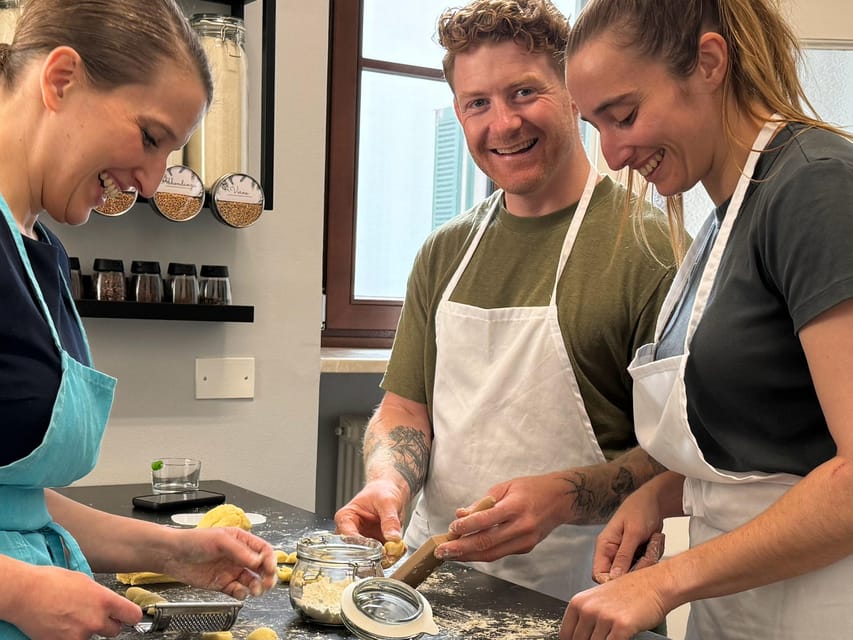
While the gnocchi is being cooked, you enjoy a cozy aperitivo. This creates a natural pause between preparation and the meal.
The aperitivo is useful in two ways. First, it gives the hosts time to cook the gnocchi properly. Second, it lets the group relax and talk after the hands-on work. Cooking classes can become hurried if the food is served the instant the last person finishes. This pause gives the experience a more social rhythm.
The details of the aperitivo are not specified, so you should not book this expecting a fixed list of snacks or a tasting menu. Think of it as a light social break before sitting down to eat.
The hosts’ style is a major part of this stage. Comments about friendly explanations, humor, and an atmosphere similar to spending time with friends point to a class built around conversation, not just instruction. If you prefer a quiet, technical workshop, the lively family atmosphere may feel less formal than expected. If you want contact with your hosts, it is a strong match.
Eating the gnocchi you made
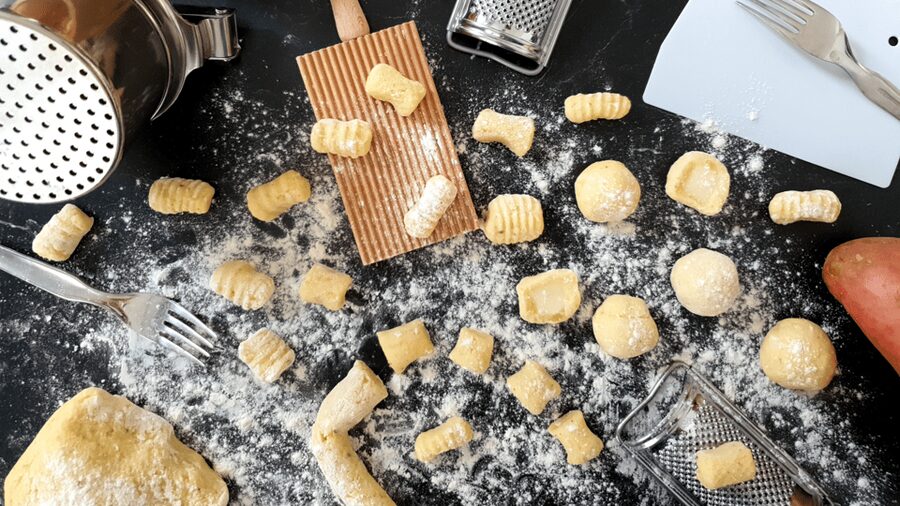
The payoff is a shared meal at the same table. Your class includes a two-course meal, unlimited still and sparkling water, and one glass of wine from a small Venetian winery.
That is good value for a 2.5-hour activity at $94 per person. You are paying for instruction, ingredients, a sit-down meal, drinks, and the chance to learn a recipe you can repeat. A standard restaurant meal may cost less, but it will not teach you why the dough works or let you take part in preparing it.
The wine is described as coming from a special small producer in the Veneto region. The exact winery and wine style are not provided, so do not book this as a formal wine tasting. The wine is part of the meal and adds a regional touch.
The two-course format also makes this more substantial than a short cooking demonstration. You should leave having eaten a proper meal, though the exact second course is not stated. The recipe itself is made with restrained seasoning, so the experience is about appreciating simple ingredients rather than chasing bold restaurant flavors.
Most important, you eat the fruit of your own work. That makes the final dish more memorable and gives you a clear test of what you learned. If the gnocchi is too soft or too firm, you can connect the result to the choices made during preparation.
What the class teaches you to repeat at home
You receive the recipes and practical tips after the class. That changes the value of the experience. It is not just a pleasant meal in Verona that ends when you leave the table.
Gnocchi is a realistic dish to make at home because it does not require specialist equipment. The challenge is learning the feel of the dough and the right balance of potato and flour. The class gives you a working method and the chance to ask questions while the process is in front of you.
You may still need practice. One lesson cannot guarantee perfect gnocchi every time, especially since potato varieties differ. But the knowledge about selecting potatoes, avoiding excess flour, and shaping the pieces gives you a sound starting point.
The recipes are also a useful souvenir. They take up no luggage space, and they connect your future meal at home with your time in Verona. This is one of the better reasons to choose a cooking activity over another sightseeing stop.
Who will enjoy this experience most
I would recommend this class to you if you enjoy food, like meeting local hosts, and want an activity that gives you something to do with your hands. It suits couples, families, and small groups of friends.
Families may find the class especially appealing. The birthday celebration for one young participant shows that the hosts can add a personal touch for a special occasion. The food is also familiar enough for many children to recognize, though the provided details do not specify an age minimum or particular child facilities.
It is a good choice for first-time cooks because the recipe is presented step by step. It also suits experienced home cooks who want to compare methods and learn a family version of a classic dish.
I would think twice if you want a formal culinary school setting, a large wine tasting, or a broad lesson covering several kinds of pasta. This is a focused gnocchi class with a friendly family feel. The low-salt cooking may also be a drawback if you want a strongly seasoned meal.
The class is offered in English and Italian, but special dietary needs must be communicated ahead of time. Do that before arrival rather than hoping the kitchen can make a last-minute change.
Price, timing, and practical value
At $94 per person, the price is not the cheapest way to eat in Verona. It is fair if you value the full package: 2.5 hours of instruction, a hands-on recipe, a two-course meal, water, wine, and take-home guidance.
The small group matters here. A limit of 10 people gives the hosts room to watch how you work and respond to questions. You are not simply paying for ingredients. You are paying for access to a family method and direct help with a dough that can be surprisingly easy to mishandle.
The central location saves time. Palazzo Mastino is close to the Arena and Parking Lot Cittadella, so the class can fit into a city visit without a long transfer. Still, leave space around the 2.5-hour session. Cooking and eating are social activities, and you may not want to rush away as soon as the meal ends.
You can reserve now and pay later, and cancellation is free up to 24 hours in advance for a full refund. Those terms are useful if your Verona schedule is still changing.
Should you book Granny’s gnocchi class?
Book it if you want a warm, hands-on food experience near the center of Verona. The strongest reasons are the family recipe, the small group, the chance to eat what you make, and the practical advice you can use at home.
The class is especially well suited to people who value conversation and personal attention more than polished culinary theater. Valentina and Davide create the feeling of a shared meal with friends, while the potato and dough lessons give the experience real substance.
Skip it if you want a formal tasting, heavy seasoning, or a wide-ranging pasta course. For everyone else, $94 buys more than lunch. It buys a useful skill, a regional food connection, and a pleasant few hours around the table.
FAQ
Where does the gnocchi class meet?
The meeting point is Palazzo Mastino in Verona. It is about a five-minute walk from the Arena and one minute from Parking Lot Cittadella.
How long does the experience last?
The class lasts 2.5 hours. Starting times vary, so check availability when choosing your date.
How many people are in the class?
The group is limited to 10 participants.
Which languages are offered?
The instructors teach in English and Italian.
What will I learn to cook?
You will learn to select suitable potatoes, prepare the dough using Granny’s recipe, and shape the gnocchi.
Is a meal included?
Yes. The experience includes a two-course meal made during the class.
Are drinks included?
Unlimited still and sparkling water are included, along with one glass of wine from a small Venetian winery.
Are recipes provided after the class?
Yes. You receive recipes and tips for making the dish at home.
Can I cancel or pay later?
You can reserve now and pay later. Cancellation is free up to 24 hours in advance for a full refund.
Just added around Verona
- Verona: Tortellini Cooking Class and Lunch with Mamma Ivana★ 5.0 · 20 reviews
- Verona: Prosecco and Pasta Making Class at a Local’s Home★ 5.0 · 10 reviews
- Verona: Pasta Cooking Class with Wine Tasting★ 5.0 · 4 reviews
- Verona: Pasta & Tiramisu Cooking Class at a Local’s Home★ 5.0 · 16 reviews
- Bardolino: Garda Lake Pasta Cooking Class at the Agritourism★ 5.0 · 32 reviews
- Prosecco and Pasta Making Class at Local’s Home in Verona★ 5.0 · 30 reviews
- Cesarine: Small group Pasta and Tiramisu class in Verona★ 5.0 · 8 reviews
- Private Pizza & Tiramisu Class at a Cesarina’s home with tasting in Verona★ 5.0 · 14 reviews
Verona Pasta Classes, compared.
Pasta and Tiramisu Cooking Class With Free Flowing Wine
Read our review →
Hands-on Fresh Pasta and Tiramisù Cooking Class
Read our review →
Italian Cooking Class with Pasta, Risotto and Tiramisù
Read our review →
My Granny’s secrets: Making pasta in the heart of Verona
Read our review →
Verona Arena: The ORIGINAL Fresh Pasta and Tiramisu Cooking Class with wine
Read our review →
Authentic Pasta Making Class with a Local Family
Read our review →
Bardolino: Garda Lake Pasta Cooking Class at the Agritourism
Read our review →
Prosecco and Pasta Making Class at Local’s Home in Verona
Read our review →Browse the lists this tour appears in